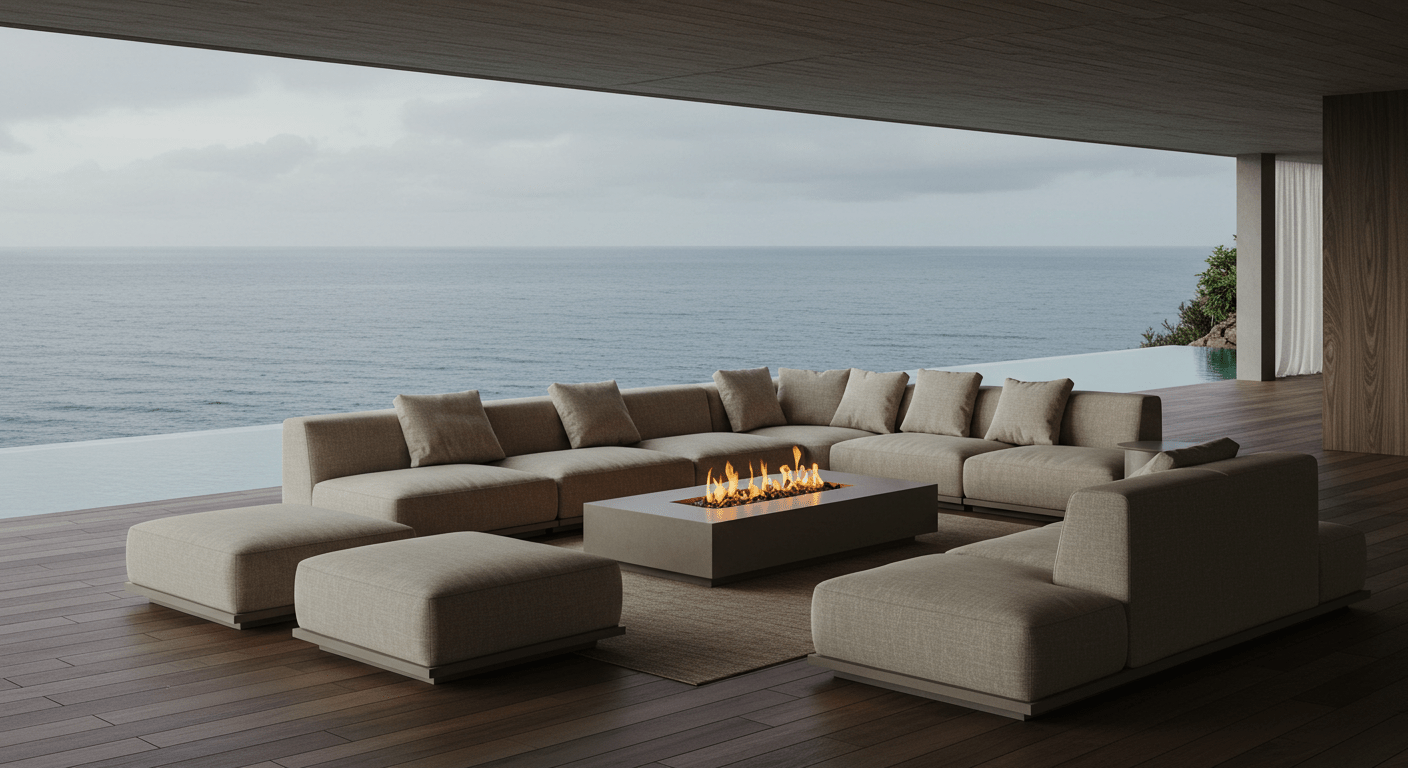
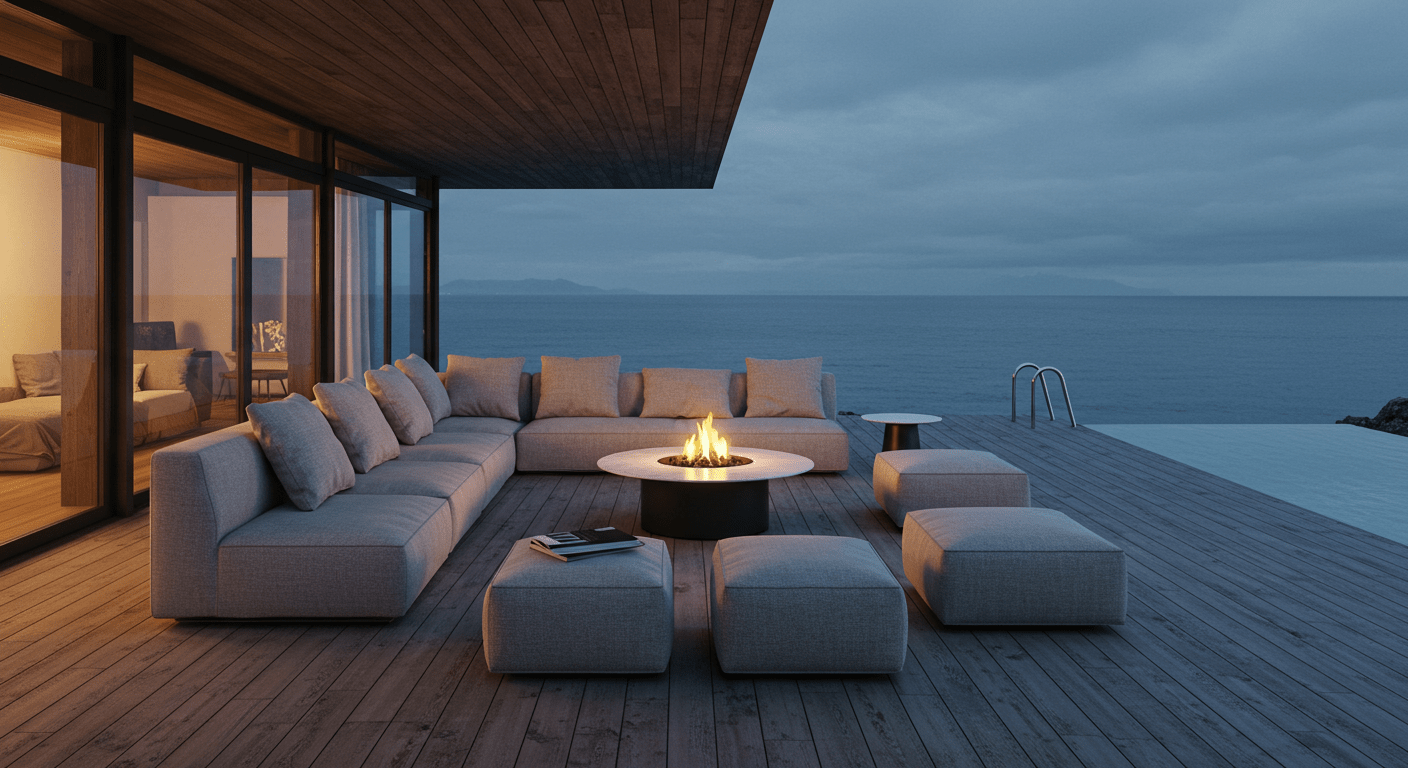
The Future of Luxury Fire Tables: Innovation for Tomorrow's Hospitality Design
Key Takeaways
- Market momentum justifies immediate investment: Gas fire tables grow 13.1% CAGR through 2030, with premium segments outpacing overall outdoor furniture markets—properties investing now capture first-mover advantages before competitors recognize outdoor amenity ROI potential.
- Smart technology transitions from luxury to baseline: Electronic ignition, app control, and automatic safety features become standard specifications rather than premium options, with installation costs ($1,500-$2,500) justified through reduced staff intervention and enhanced guest safety.
- Design shifts favor biophilic curved forms over linear geometries: Circular platforms and organic shapes create intimate gathering zones that encourage interaction, while textural layering and saturated color palettes (oxblood, clay, sage) replace beige monotony in 2026 installations.
- American craftsmanship delivers total cost advantages: Domestic manufacturers provide decades-long durability, warranty support, and parts availability that convert apparent premium pricing into lifecycle savings—hospitality operators choose U.S. brands because overseas failure costs exceed upfront import savings.
- Outdoor features multiply property value beyond installation cost: Fire tables return 1.5-3.0x initial investment in property value while transforming seasonal spaces into year-round revenue destinations, generating higher utilization rates than expensive interior renovations.
Fire has shaped civilization for 200,000-400,000 years. What began as primitive holes in the ground evolved into the sophisticated fire tables defining luxury hospitality today. This ancient tool that once enabled human survival now anchors premium outdoor experiences at hotels, resorts, and restaurants worldwide.
Modern fire tables transcend their heating function. They serve as design centerpieces, social gathering points, and technological showcases. Smart controls, eco-friendly fuels, and artisan craftsmanship elevate these installations from amenities to revenue-driving assets. Properties investing in premium fire tables create year-round outdoor destinations that distinguish their brand and command premium rates.
The 2026 landscape reflects rapid innovation. Curved organic forms replace rigid rectangles. Smart technology integrates seamlessly with property management systems. Sustainable materials and smokeless fuels address environmental concerns while maintaining visual impact. This convergence of design, technology, and sustainability positions fire tables as essential infrastructure for competitive hospitality properties seeking to maximize outdoor space value and guest satisfaction.
What Defines Luxury Fire Tables in Today's Hospitality Design?
Luxury fire tables separate premium properties from standard installations through three defining characteristics: material excellence, strategic integration, and customization depth. These elements transform fire features from commodity purchases into property-defining investments.
What Are the Key Elements of a Luxury Fire Table?
Material selection determines longevity and aesthetic impact. Fluid concrete technology delivers lightweight strength with resistance to water, scratches, stains, and UV damage—ideal for minimalist and industrial styles requiring minimal maintenance. Hand-hammered copper by professional coppersmiths creates unique artisan pieces with evolving bronze patinas and corrosion resistance. Steel options include 304-grade stainless for rust-free modern aesthetics or Corten steel that transitions from raw metal to rich mahogany tones, creating living art through natural oxidation. Granite offers one-of-a-kind crystalline patterns with scratch and stain resistance, while porcelain tile provides pattern variety with UV-stable composite finishes.
American craftsmanship defines resort-grade quality. U.S. manufacturers engineer fire tables for decades of use in harsh climates and high-traffic environments—rooftops to lakefronts. Premium hardwoods, extruded aluminum, and marine-grade components withstand commercial demands. Hospitality properties choose domestic production because overseas failure costs exceed upfront savings. Design elements favor curved forms over rectangles, with circular platforms pulling seating inward and arches creating geometry tuned to human movement. Textural layering through open-weave jute, coarse plaster, cane-wrapped edges, and grit-glazed ceramics adds tactile dimension that photographs cannot capture.
How Are Fire Tables Integrated into Commercial Outdoor Spaces?
Strategic placement converts underutilized areas into revenue zones. Hotels and resorts position fire tables in rooftop bars for intimate seating clusters, restaurants expand outdoor dining seasons, and high-end residences create year-round outdoor rooms. Integration requires indoor-outdoor continuity—flooring materials carry through transitions, light fixtures repeat design language, furniture proportions match interior scale, and weather-resistant upholstery maintains living room aesthetics.
Functionality extends beyond heating. Fire tables anchor social gathering spaces with comfortable seating configurations. Design options range from rustic pit styles to refined fire pit tables and traditional chimineas. Integrated heaters hide behind planters or along pergola beams for extended season utility. Insulated upholstery maintains comfort without bulk, while bamboo blinds and woven panels provide wind protection during transitional months. The result: outdoor spaces that generate revenue twelve months annually instead of seasonal use.
What Role Does Customization Play in Luxury Fire Tables for Hospitality?
Customization creates signature installations that guests remember. Bespoke shapes, sizes, materials, and finishes align fire tables with property branding. Custom designs prevent competitor replication and establish visual identity that distinguishes luxury properties in crowded markets. Furniture designed specifically for a property communicates exclusivity that stock installations cannot match.
Long-term planning requires expandable collections. American manufacturers maintain consistent product lines, allowing properties to add matching pieces years after initial installation. Warranty support, parts availability, and reliable timelines enable phased outdoor space development coordinated with capital budgets. Properties expand outdoor dining or lounge areas incrementally while maintaining design cohesion—impossible with discontinued import collections or manufacturers who abandon product lines.
What Innovations in Fire Table Technology and Design Will Shape the Future of Luxury Hospitality?
Three innovation vectors define 2026: smart technology integration, biophilic design principles, and sustainable fuel systems. Properties adopting these advances gain operational efficiency, design differentiation, and alignment with guest environmental expectations.
How Is Technology Enhancing Fire Tables for Luxury Hospitality?
Electronic ignition eliminates operational friction. Smart systems integrate with property automation platforms via 110v power, low voltage, or battery operation. Staff control fire tables through smartphone apps, wall switches, or voice commands—adjusting flame height, setting timers, and managing multiple units remotely. Installation costs run $1,500-$2,500 per upgrade. Middle-ground options include battery spark ignitions and flame-sense valves for properties phasing technology adoption.
Safety features reduce liability and maintenance calls. Automatic shut-off with flame-sense technology detects extinguished flames from wind or water, preventing unburned gas flow. Temperature monitoring and automatic shut-off reduce accident risk. Traditional match-lit systems with gas valves create sudden flame bursts from gas buildup—discouraging guest use and increasing staff intervention. Smart ignition encourages regular use while minimizing safety incidents. For high-traffic commercial environments, resort-grade engineering delivers ROI through durability rather than superficial luxury branding.
What Design Trends Are Emerging for Fire Tables in Outdoor Luxury Furniture?
Biophilic design drives curved forms and organic integration. Circular platforms replace rigid rectangles, pulling seating inward and encouraging interaction. "Forms curve because movement does"—geometry follows natural human motion rather than imposing artificial boundaries. Arched openings and vine-laced trellises blur indoor-outdoor transitions. Vertical gardens replace traditional siding, with plantings defining space boundaries. Fire tables become landscape extensions rather than manufactured intrusions.
Material expression emphasizes texture and saturated color. Deep tones—oxblood, clay, sage, deep olive—replace beige monotony. High-gloss lacquers catch daylight. Surface treatments add tactile dimension: open-weave jute, coarse plaster, cane-wrapped edges, grit-glazed ceramics. Minimalist aesthetics favor sleek lines with neutral tones focusing attention on flames. Historical reinterpretation blends Spanish Revival elements—textured stucco, arched openings, patterned tiles—with contemporary execution. Bohemian arrangements reject perfect alignment: floor cushions, scattered rugs, hand-thrown pottery with visible maker marks. Placement follows use patterns, not design dogma.
How Will Sustainability Influence Future Fire Table Designs?
Eco-friendly fuels gain market share through performance and perception. Bioethanol and natural gas alternatives deliver smokeless burning, addressing environmental and health concerns. The smokeless fire pit market grows 6.25% CAGR from $1.71 billion (2024) to $2.61 billion (2032). Cleaner combustion reduces property maintenance and guest respiratory complaints while signaling environmental commitment.
Material longevity reduces lifecycle environmental impact. Fluid concrete incorporates recycled natural materials engineered for decades of use—minimizing replacement frequency and waste generation. UV-resistant treatments and stain barriers reduce maintenance chemical use. Marine-grade components withstand harsh environments without degradation. Sustainable design delivers environmental benefits while reducing total cost of ownership through extended replacement cycles and minimal maintenance requirements.
How Do Luxury Fire Tables Contribute to Guest Experience in Hospitality?
Fire tables drive three guest experience outcomes: social media amplification, extended seasonal use, and property differentiation. These translate directly to booking conversion, higher average daily rates, and repeat visitation.
How Do Fire Tables Create "Instagram-Worthy" Moments in Commercial Spaces?
Visual drama generates organic marketing reach. Premium fire table features become property identifiers that guests photograph and share, amplifying brand presence without advertising spend. Statement installations combining fire, premium accent lighting, and landscape integration create focal points that define outdoor room design. Vibrant colors and dynamic patterns complement garden elements while adding aesthetic flair that competitors cannot easily replicate.
Connected design zones maximize photogenic impact. Properties coordinating fire tables with cohesive landscaping, lighting schemes, and spatial flow create environments guests want to document. These shared moments enhance online reputation and drive booking consideration among prospects researching properties. Fire features transform standard outdoor seating into memorable photo opportunities that guests associate with premium experiences worth repeating and recommending.
How Do Fire Tables Enhance Ambience and Comfort in Outdoor Luxury Settings?
Year-round functionality expands revenue opportunities. Fire tables provide warmth that transforms seasonal outdoor spaces into twelve-month destinations. Comfortable seating configurations around flames create intimate gathering zones encouraging social interaction and extended stays. Integrated heating elements placed discreetly within units extend utility through transitional months when unheated spaces remain vacant.
Design continuity eliminates indoor-outdoor barriers. Seamless transitions—flooring materials carrying through, light fixtures repeating, furniture proportions matching interior scale—create cohesive environments where guests move naturally between spaces. Multi-slide glass doors dissolve physical boundaries while patio areas mirror interior colors, textures, and arrangements. Glass wind guards ensure consistent flames and enhance safety as standard features in high-end settings. This evergreen approach to spatial flow maximizes usable square footage and positions outdoor areas as premium real estate rather than seasonal overflow capacity.
What Are the Long-Term Benefits of Integrating Fire Tables into Luxury Hospitality?
Property value multiplies initial investment. Outdoor kitchens return 1.5-3.0x their cost in resale value, with premium outdoor spaces boosting property appeal and pricing power. Fire table installations cost less than kitchen remodels, install faster, and generate higher utilization rates. Properties using outdoor spaces more frequently than interior renovated areas maximize return on capital deployed.
Strategic differentiation creates competitive moats. Signature fire features establish property identity that guests remember and competitors cannot easily duplicate. Year-round destination positioning extends revenue seasons while creating experiences that drive repeat visitation. Premium outdoor environments deliver memorable moments that convert first-time guests into loyal advocates—the highest-value marketing outcome available to hospitality operators seeking sustainable competitive advantage.
What Are the Challenges of Implementing Fire Tables in Luxury Hospitality Projects?
Three implementation barriers separate successful fire table installations from problematic ones: customization complexity, operational durability demands, and maintenance planning. Properties addressing these upfront avoid costly retrofits and operational disruptions.
How Does Customization Affect the Design and Implementation of Fire Tables?
Bespoke design requires balancing aesthetics with supply chain reality. Matching fire table design, size, and materials to architectural vision while maintaining functionality demands extensive coordination between designers, manufacturers, and operations teams. Creating signature pieces that align with property branding takes longer than stock installations but delivers differentiation competitors cannot replicate.
Domestic manufacturing mitigates supply chain risk. Import delays average 12-18 months with frequent material substitutions disrupting design intent. American manufacturers ship complete units, honor warranties, and provide follow-through service. Consistent product collections enable long-term property planning—adding matching pieces years later for expansions or replacements without redesigning entire outdoor spaces. Reliable parts availability and predictable timelines justify premium pricing through reduced project risk and schedule certainty.
What Operational Challenges Do Fire Tables Pose in High-Traffic Environments?
Commercial environments demand resort-grade engineering. Fire tables must withstand high traffic, harsh climates, and extreme conditions from rooftop installations to lakefront exposures. Materials and construction designed for decades of continuous use prevent premature failure and frequent replacements. Traditional match-lit systems with gas valves create safety concerns—sudden flame bursts from unburned gas buildup and cumbersome operation that discourages staff and guest use.
Smart technology solves operational friction points. Electronic ignition with remote management reduces staff intervention while automatic safety features minimize accident risk. Flame-sense shut-off prevents gas flow when flames extinguish from wind or weather. Enhanced safety protocols combined with simplified operation encourage regular use and reduce liability exposure. Properties gain peace of mind through technology that manages fire features proactively rather than reactively addressing safety incidents.
How Can Hospitality Properties Ensure Longevity and Durability of Fire Tables?
Material selection determines maintenance requirements. Concrete needs minimal upkeep with protective barriers against stains and UV damage. Copper develops natural patina adding character while corrosion resistance and wax sealant maintain luster. Steel options—304-grade stainless for rust-free durability or Corten for protective patina development—suit environments from modern to rustic. Granite and tile offer scratch and stain resistance with simple cleaning protocols. Each material's unique curing or finishing process ensures decades of performance.
Specification best practices reduce lifecycle costs. American manufacturers provide parts availability and service support for consistent collections, allowing matching replacements years after installation. Marine-grade components handle coastal or extreme environments without degradation. Premium materials signal luxury while reducing maintenance frequency and replacement costs. Resort-grade quality specifications upfront minimize long-term operational expenses and maintain aesthetic standards throughout fire table lifecycles—converting apparent premium pricing into total cost advantages over budget alternatives requiring frequent intervention or replacement.
Why Is Investing in High-End Fire Tables a Strategic Move for Hospitality Businesses?
Fire table investment delivers three strategic outcomes: competitive differentiation, measurable ROI through property value multiplication, and alignment with accelerating market demand. Properties capitalizing on 13.1% annual market growth position themselves ahead of competitors adopting baseline outdoor amenities.
How Do Luxury Fire Tables Help Differentiate Luxury Hospitality Properties?
Signature installations create competitive moats. Fire features become defining property characteristics that discerning guests recognize and seek. Custom designs reflecting brand identity distinguish properties in crowded markets where standard outdoor furniture fails to differentiate. Premium outdoor spaces combining statement landscaping, accent lighting, and fire features attract clientele willing to pay for unique experiences rather than commodity accommodations.
American craftsmanship signals quality over branding. Premium materials and domestic manufacturing emphasize durability and service reliability—"real luxury is ROI and durability, not logos." Connected zones creating cohesive luxury environments demonstrate design sophistication that mass-market properties cannot replicate. Fire tables position properties as destinations rather than overnight stops, attracting premium clientele and commanding rate premiums justified by distinctive outdoor experiences competitors lack.
What Is the ROI of Investing in Durable and Customizable Fire Tables?
Investment tiers align with property positioning. Commercial hospitality ranges from standard installations ($2,000-$5,000) through premium ($5,000-$15,000) to luxury custom ($15,000-$50,000+). High-end outdoor furniture contexts show comparable pricing: indoor-outdoor transitional pieces ($2,000-$15,000) and premium pergolas ($10,000+). Fire tables fit existing capital allocation frameworks for outdoor amenity upgrades.
Value multiplication exceeds initial cost. Outdoor kitchens return 1.5-3.0x installation cost in property value—fire tables follow similar patterns. Units engineered for decades reduce replacement frequency while premium materials minimize maintenance costs. Fluid concrete needs little upkeep, granite and tile require simple cleaning, corrosion-resistant metals eliminate rust concerns. American manufacturers honoring warranties and providing parts availability reduce long-term operational costs. Hospitality operators choose domestic brands because failure costs exceed import savings—reliable operation and coordinated expansion through consistent collections justify premium pricing through total cost advantages over budget alternatives requiring frequent replacement.
Why Should Hospitality Decision-Makers Prioritize Fire Table Investment?
Market momentum indicates sustained growth, not trend cycling. Gas fire tables grow 13.1% CAGR through 2030 from $82.8 million (2024) base. Outdoor gas fire pit tables expand from $1.2 billion (2024) to $2.5 billion (2033). Tabletop segments lead at 11.9% CAGR (2025-2030). Broader markets confirm demand: global outdoor furniture reaches $86.65 billion (2033) from $50.89 billion (2024), US outdoor furniture and grills hit $21.3 billion (2028) at 3.2% annual growth.
Consumer behavior shifts create structural advantages. Hotels and resorts investing in outdoor amenities, restaurants expanding outdoor dining, and year-round usage expectations drive commercial demand. Smart technology integration becomes standard—IoT features and home automation compatibility transition from premium options to baseline requirements. Multi-functional designs addressing space optimization respond to property needs maximizing revenue per square foot. Premium segments grow faster than overall markets as hospitality and commercial buyers drive quality standards and innovation adoption. Properties investing now capture first-mover advantages in markets where outdoor spaces used more frequently than expensive interior remodels—delivering superior returns on capital deployed while competitors delay amid accelerating guest expectations for premium outdoor experiences.
Embracing the Future of Fire Tables in Luxury Hospitality Design
Fire table evolution from primitive survival tools to luxury hospitality centerpieces demonstrates technology's capacity to transform ancient elements into competitive advantages. Properties investing in sophisticated fire features position themselves at the intersection of design innovation, guest experience enhancement, and measurable financial return.
Transform Your Outdoor Spaces with Cooke Furniture
Cooke Furniture delivers resort-grade fire tables engineered for luxury hospitality environments. Our American-crafted installations combine premium materials, smart technology integration, and custom design capabilities that distinguish your property from competitors. With decades of commercial hospitality expertise, we understand the durability demands of high-traffic environments and the aesthetic requirements of discerning guests.
From initial concept through white-glove installation and long-term service support, Cooke delivers the reliability and American craftsmanship that make outdoor amenity investments consistently profitable. Contact our hospitality design team today to discuss how premium custom fire pit tables can transform your property's underutilized outdoor spaces into year-round revenue destinations—the kind guests remember, recommend, and return to experience season after season.