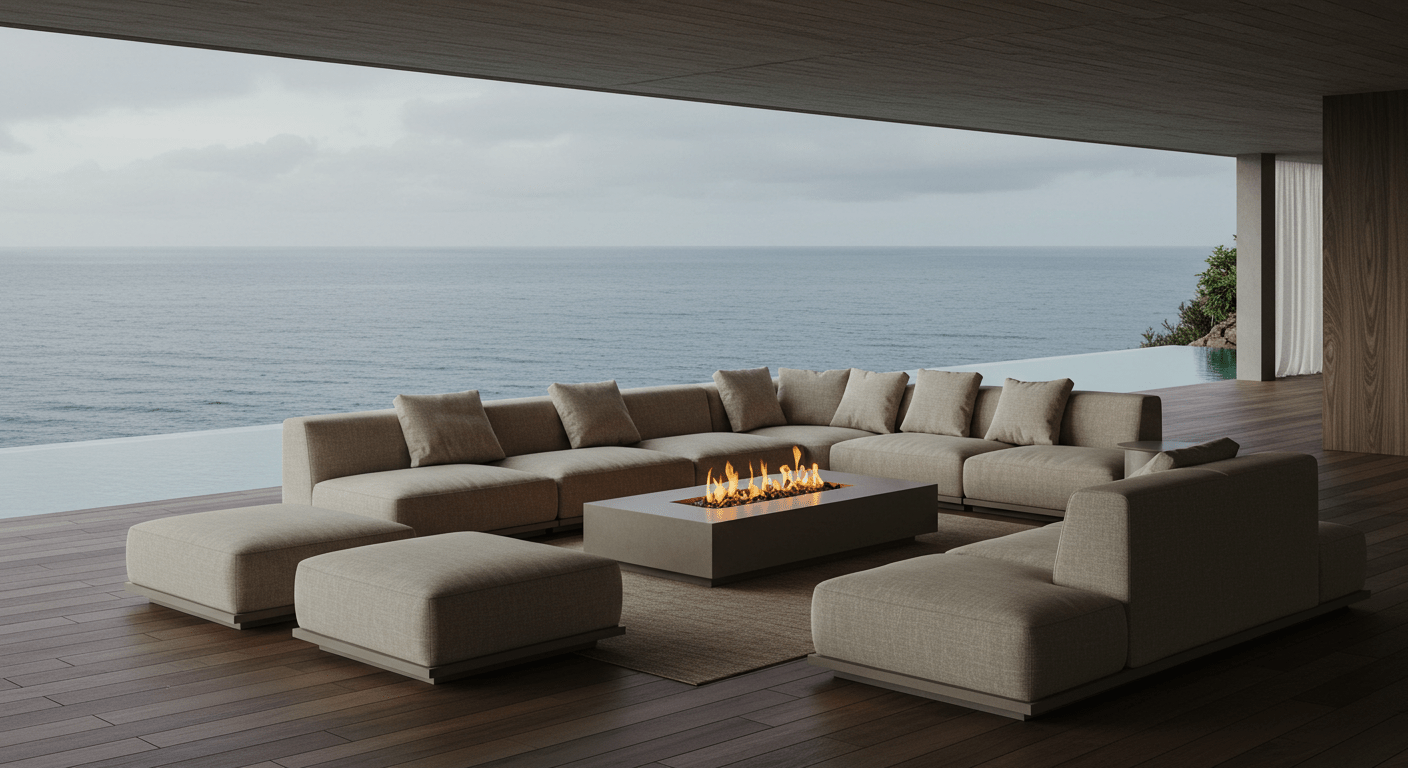
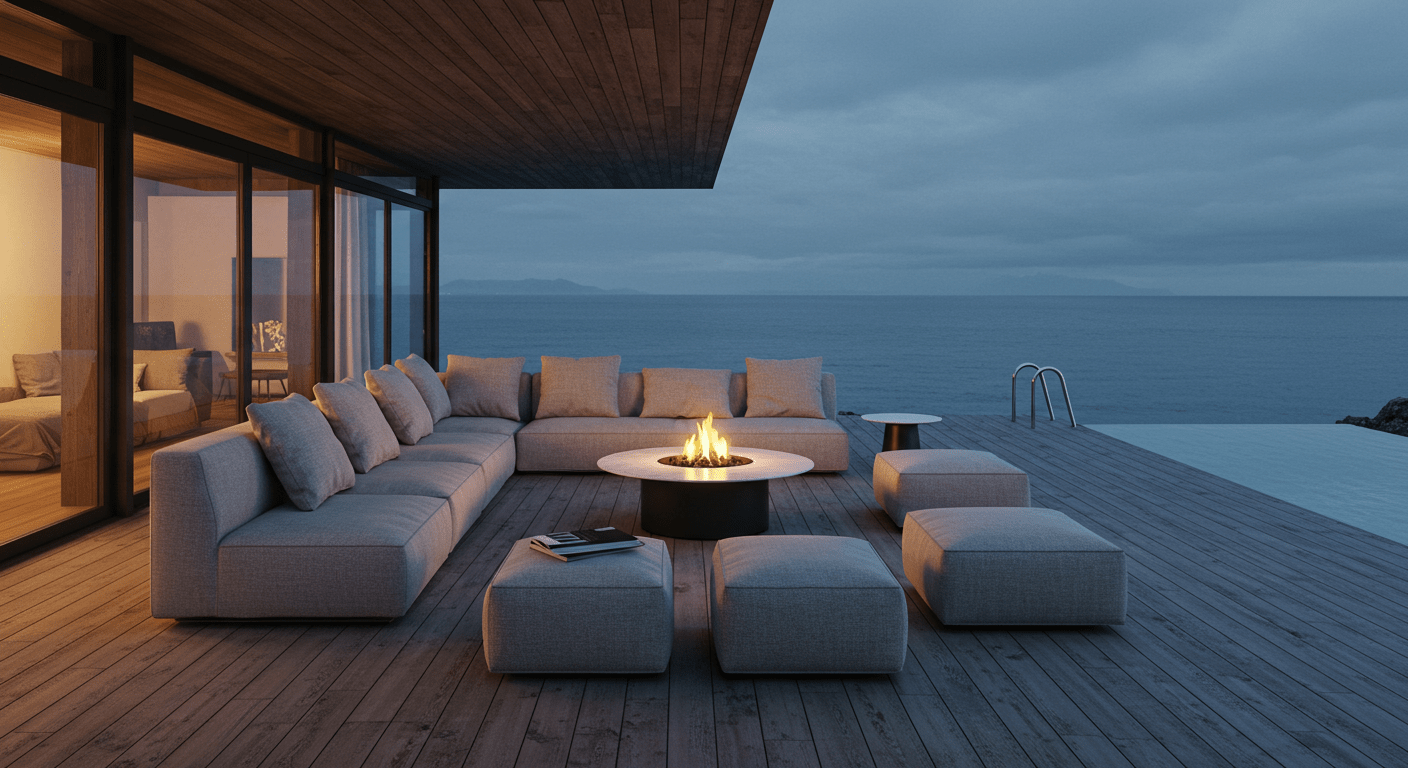
Winter Fire Table Performance: Reliability in Extreme Conditions for Commercial Use
Key Takeaways
- BTU Requirements Matter: Winter fire tables need 30,000-40,000 BTUs for sheltered areas and 50,000-60,000 BTUs for large exposed patios in extreme cold—undersized units waste money without delivering adequate warmth.
- Natural Gas Outperforms Propane in Cold: Natural gas provides consistent 50,000-70,000 BTU output regardless of temperature, while propane pressure drops in freezing weather, reducing flame height and heat delivery.
- Marine-Grade Materials Prevent Costly Replacements: 316 stainless steel handles sub-zero temperatures, coastal salt air, and 24/7 hospitality use—budget materials fail within years, requiring expensive mid-season replacements.
- Safety Technology Reduces Liability: Auto-ignition systems, safety shut-off valves, and adjustable heat controls protect guests and staff while improving operational efficiency during busy service periods.
- Quality Equipment Pays for Itself: Commercial-grade fire tables extend outdoor season revenue, reduce maintenance costs, and eliminate downtime from equipment failures—the upfront investment returns through years of reliable winter performance.
Winter fire tables extend the outdoor hospitality season in cold climates. Hotels, resorts, and restaurants lose revenue when patios close during the winter months. Quality fire tables change that equation—transforming cold-weather outdoor spaces into functional, guest-attracting areas. But not all fire tables handle extreme conditions equally.
Sub-zero temperatures, wind, snow, and ice test equipment durability and performance. This guide examines winter fire table performance and the reliability of fire tables in harsh winter environments, focusing on commercial applications where equipment failures mean lost revenue and disappointed guests.
Learn which materials, fuel systems, and engineering features separate reliable modern fire tables used in hospitality-grade installations from residential equipment. Discover how proper selection and maintenance ensure consistent winter performance that protects your investment and extends profitable outdoor service throughout the year.
What Are Winter Fire Tables and Why Are They Important for Commercial Spaces?
Winter fire tables extend outdoor season use at hotels, resorts, and restaurants. They transform cold-weather patios into functional revenue-generating spaces. For commercial properties, this means capturing guest spending during months when outdoor areas typically sit empty.
How Do Fire Tables Enhance Guest Experience in Outdoor Spaces?
Fire tables create focal points that draw guests outdoors despite cold temperatures. The ambient heat and visual appeal encourage longer stays and increased beverage and food orders. Properties with quality outdoor heating see higher guest satisfaction scores and stronger social media engagement. Fire tables also differentiate your venue from competitors who close outdoor sections seasonally.
What Are the Benefits of Commercial Fire Tables During Winter Months?
Winter fire tables generate heat output ranging from 30,000 to 60,000 BTUs. Smaller sheltered areas need 30,000-40,000 BTUs for adequate warmth. Large or exposed patios require 50,000-60,000 BTUs in extreme cold. Higher BTU ratings deliver more consistent comfort in commercial outdoor spaces where guest expectations run high. This increased heat capacity translates directly to extended outdoor service hours and improved cold-weather revenue.
How Do Fire Tables Perform in Harsh Winter Conditions, Especially in Commercial Settings?
Performance reliability separates commercial-grade fire tables from residential models. Extreme cold, wind, and rapid temperature changes test every component. Commercial properties need units that maintain consistent heat output regardless of weather conditions.
What Makes Fire Tables Reliable in Extreme Weather?
Natural gas fire tables deliver consistent heat without tank changes and outperform propane in extreme cold. Natural gas burners provide 50,000-70,000 BTU capacity for reliable commercial use. Propane pressure drops in freezing weather, causing lower flames and reduced heat output. For properties prioritizing winter reliability, natural gas eliminates performance issues tied to temperature-dependent fuel pressure.
How Do Temperature Fluctuations Impact Fire Table Components and Functionality?
Glass and ceramic components handle heat well but fail under thermal shock. Avoid glass barriers in deep winter—the transition from sub-zero temperatures to intense burner heat causes cracking and breakage. This creates safety hazards and replacement costs. Choose fire tables with materials engineered for extreme temperature swings rather than components prone to thermal stress failure.
Why Are Reliable Fire Tables Crucial for Commercial Outdoor Spaces in Winter?
Wind resistance features maintain heat effectiveness in exposed locations. Glass wind guards focus heat upward while removable wind screens block cold gusts. Strategic placement near walls or corners reduces wind impact naturally. Reliable winter performance protects revenue streams—equipment failures during peak winter hospitality periods mean lost bookings and disappointed guests. Commercial operations cannot afford downtime from weather-related malfunctions.
What Features Should You Look for in Fire Tables for Winter Performance?
Material selection and protective features determine winter longevity. Focus on corrosion resistance, thermal stability, and weatherproofing systems. These features reduce maintenance costs and prevent mid-season failures.
How Do High-Quality Materials Contribute to Winter Fire Table Performance?
Stainless steel offers rust resistance and strength in sub-zero temperatures without degradation. Concrete provides durability and stability but cracks if improperly sealed against moisture infiltration. Powder-coated steel, treated concrete, and aluminum frames prevent rust from snow melt and freeze-thaw cycles. Material choice directly impacts whether your fire table survives five winters or fifteen.
Why Are Stainless Steel and Powder-Coated Aluminum Ideal for Extreme Weather Fire Tables?
Powder-coated aluminum delivers lightweight corrosion resistance without rust—far more durable than painted metal surfaces that chip and corrode. UV-resistant finishes prevent sun degradation during shoulder seasons, extending overall lifespan. Aluminum's lower density makes installation easier while maintaining structural integrity through repeated freeze-thaw cycles. These materials cost more upfront but eliminate replacement expenses that cheaper alternatives require.
What Is the Role of Superior Insulation in Enhancing Fire Table Durability?
Drainage systems with drip pans channel melting snow and ice away from critical components. Wind guards stabilize flames against gusts that would otherwise extinguish burners or waste fuel. Protective covers and lids shield burner areas from snow accumulation when units sit idle. These insulation and protection features prevent water damage, component corrosion, and ignition system failures—the three most common winter maintenance issues in commercial installations.
How Do Cooke Fire Tables Stand Out in Commercial Winter Use?
Cooke Fire Tables combine marine-grade construction with hospitality-focused engineering. Their design prioritizes continuous operation in harsh conditions rather than seasonal residential use.
What Engineering Features Make Cooke Fire Tables Suitable for Harsh Winter Conditions?
Cooke uses marine-grade 316 and 304 stainless steel construction that withstands coastal salt air and sub-zero temperatures. Architectural stone and porcelain options provide premium aesthetics with extreme weather durability. Units are engineered for 24/7 hospitality use, not occasional home patio deployment. The 50-year structural guarantee backs this commercial-grade construction—a warranty length that reflects genuine durability confidence.
How Do Cooke's Custom Designs Improve Outdoor Furniture for Winter?
Commercial-grade burner systems deliver consistent heat output regardless of temperature or wind conditions. Electronic ignition systems eliminate manual lighting struggles in cold weather with gloves. Hidden propane tank options maintain upscale aesthetics while providing fuel access—important for properties where visual presentation affects guest perception and social media appeal.
Why Are Cooke Fire Tables the Best Choice for High-Traffic Commercial Environments in Winter?
Weather-resistant materials handle constant guest interaction and staff cleaning protocols without surface degradation. Fuel flexibility across natural gas, liquid propane, liquid ethanol, and direct gas line connections accommodates any property's existing infrastructure. This adaptability eliminates costly gas line installations or propane storage limitations. High-traffic commercial environments demand equipment that operates reliably under continuous use—Cooke's hospitality engineering focus delivers exactly that specification.
How to Maintain Fire Tables for Longevity and Optimal Performance in Winter?
Preventive maintenance extends equipment life and prevents mid-season failures. Winter conditions accelerate wear on components exposed to moisture, temperature extremes, and freeze-thaw cycles.
What Regular Maintenance Is Required for Winter Fire Tables?
Remove debris, dirt, and ash regularly to prevent burner blockages and uneven flame distribution. Check burners and gas lines for blockages or leaks before each operating season. Perform seasonal maintenance checks at winter's start and end to catch developing issues. Inspect for rust, loose connections, and component wear that cold weather accelerates. These routine checks take minimal time but prevent expensive emergency repairs during peak guest periods.
How Can You Protect Fire Tables from Snow, Ice, and Other Winter Elements?
Use covers when units sit idle to block snow accumulation and ice formation on sensitive components. Push-button battery ignitions provide quick, reliable starts in frosty conditions without fumbling. Electronic starters work hassle-free in cold when staff wear gloves or hands are numb. Manual ignitions struggle in strong winds and require bare-hand operation—impractical for commercial staff working outdoors. Choose ignition systems that match your climate severity and operational tempo rather than defaulting to basic manual options that create service delays.
Case Studies: Successful Commercial Fire Table Use in Winter Environments
Commercial fire tables face their toughest tests in ski resorts, mountain hotels, and northern climate hospitality venues. These installations demonstrate real-world durability under continuous winter stress.
How Have Cooke Fire Tables Performed in Snowy Resorts and Hotels?
Mountain resorts operate fire tables at high elevations where temperatures drop below zero and wind speeds exceed valley conditions. Properties serving après-ski crowds run units continuously for 6-8 hours daily throughout winter seasons. Installations at northern latitude hotels endure months of sub-freezing temperatures with daily snow and ice exposure. These demanding environments reveal which fire tables maintain performance versus which require constant maintenance or early replacement.
What Real-World Examples Show the Durability of Cooke Fire Tables in Winter Conditions?
Successful winter installations share common characteristics: marine-grade stainless steel construction, natural gas fuel systems for cold-weather reliability, and protected placement near building structures. Properties report minimal downtime when specifying luxury outdoor fire pit tables with proper drainage systems and protective covers. The performance gap between residential-grade and hospitality-engineered units becomes starkly obvious during extended cold snaps—budget models fail while commercial systems maintain consistent operation. This winter durability separates equipment built for occasional home use from fire features engineered for daily hospitality service under extreme conditions.
Why Choose Cooke Fire Tables for Your Commercial Outdoor Winter Spaces?
Cooke Fire Tables address the specific demands of commercial winter operations. Their engineering focus on hospitality environments differentiates them from residential-grade alternatives.
What Sets Cooke Fire Tables Apart from Other Extreme Weather Fire Tables?
Safety shut-off valves prevent gas flow accidents that create liability exposure for commercial properties. Adjustable heat controls optimize fuel efficiency across varying temperatures and occupancy levels—reducing operational costs without sacrificing guest comfort. Auto-ignition systems eliminate staff time spent on manual lighting during busy service periods. These technology integrations reflect hospitality-specific design rather than adapted residential features. Commercial operations need reliability and safety systems that protect guests, staff, and property investments simultaneously.
How Do Cooke's Customization Options Cater to Commercial Fire Table Use?
304 stainless steel provides good corrosion resistance and high heat durability for moderate climate installations. 316 stainless steel delivers superior corrosion resistance for coastal properties and 24/7 hospitality use in harsh conditions. Porcelain options offer weather resistance suitable for marine environments with upscale aesthetic requirements. Material grade selection matches your specific climate severity and operational intensity rather than forcing one-size-fits-all solutions. Customization ensures you pay for the durability level your environment demands without over-engineering or under-specifying critical components.
Ensuring Reliable and Long-Lasting Fire Tables for Winter Commercial Use
Winter fire table investment decisions impact revenue, guest satisfaction, and operational efficiency. Quality equipment pays for itself through extended seasonal operation and reduced maintenance costs.
Why Investing in Reliable Fire Tables Ensures Year-Round Success for Your Business
Reliable fire tables transform winter outdoor spaces into revenue-generating assets rather than closed liabilities. Place units on flat, stable surfaces away from flammable materials to meet safety codes. Never leave lit fire tables unattended—commercial liability requires constant staff oversight. Check fuel levels before service periods to prevent mid-shift shutdowns. Keep extinguishers or sand buckets nearby and ensure proper ventilation in covered areas. These safety requirements protect guests and your business from preventable incidents.
Commercial-grade fire tables with marine-grade materials, natural gas systems, and hospitality engineering deliver consistent performance that budget alternatives cannot match. The upfront investment in quality equipment eliminates recurring replacement costs, reduces maintenance labor, and prevents revenue loss from equipment failures during peak winter hospitality periods. Properties that extend outdoor season operation gain competitive advantages while maximizing existing space investments year-round.
Ready to Transform Your Winter Outdoor Spaces?
Cooke Furniture specializes in commercial-grade fire tables engineered for extreme weather conditions. Our marine-grade stainless steel construction, 50-year structural guarantee, and hospitality-focused design deliver reliable winter performance that budget alternatives cannot match.
Whether you operate a mountain resort, coastal hotel, or northern climate restaurant, Cooke's customization options accommodate your specific environment and fuel infrastructure. Stop losing winter revenue to closed outdoor spaces. Extend your profitable season with fire tables built for 24/7 commercial operation in harsh conditions.
Contact Cooke Furniture today to discuss your property's unique requirements and discover how our precision-engineered custom fire pit tables transform cold-weather patios into profitable year-round guest amenities. Your winter outdoor revenue potential awaits—let's design fire features built to perform when temperatures drop.