7 Fire Table Design Mistakes That Could Impact Your Property's Guest Experience
Key Takeaways
- Fire tables drive measurable ROI: Properties see 69% higher RevPAU and 30% increased guest check sales with proper fire table installations.
- Design mistakes cost more than premium furniture: One furniture failure can trigger $65,000+ in refunds, negative reviews, and permanent reputation damage.
- Safety clearances are non-negotiable: Maintain 10-25 feet from structures, 21 feet from vegetation, and 72 inches overhead clearance to prevent disasters.
- Material quality determines longevity: Marine-grade materials with 50-year warranties cost less per guest-use than replacing cheap alternatives every 2-3 years.
- Professional installation protects everything: Certified installation ensures code compliance, validates warranties, and prevents the delays that cost hundreds of thousands in lost revenue.
Luxury fire tables represent one of hospitality's highest-ROI investments when executed correctly. A single design mistake can transform this profit center into a $65,000 liability that damages your reputation permanently. The difference between properties that see 69% revenue increases and those writing refund checks comes down to avoiding seven critical clearance and safety errors that industry leaders have learned the hard way.
Discover 7 fire table mistakes that cost properties $65K+ in refunds. This guide covers safety clearances, material selection & installation requirements that protect profits.
What Is A Fire Table's Role In Shaping Guest Experience?
Fire tables transform outdoor spaces into revenue-generating social hubs that guests actively seek out.
Fire tables drive measurable business results. Properties with fire pit amenities see 69% greater Revenue Per Available Unit (RevPAU). Restaurants report 30% higher guest check sales when outdoor fire features are present. This demand isn't surprising; 83% of landscape architects rank fire pits among the top three most requested outdoor features.
Fire tables create Instagram moments, extend seasonal usage, and give guests a reason to linger. They're not amenities anymore. They're profit centers that define whether your property stands out or blends in.
Why Do Common Fire Table Design Mistakes Deteriorate Guest Satisfaction?
Poor fire table execution destroys guest experiences instantly and irreversibly damages your property's reputation.
One general manager's nightmare proves the stakes: "Our $15,000 fire table literally fell apart during a wedding reception. The bride's father was furious, and we had to comp the entire $50,000 event. That furniture failure cost us $65,000 plus our reputation." The difference between disaster and success is dramatic.
The Grand View Hotel saw a 30% increase in guest satisfaction after installing a proper fire pit. Smart operators know this, which explains why 98% of B2B buyers visit existing installations before purchasing.
They're not just buying furniture; they're protecting their careers from preventable failures that become permanent stains on TripAdvisor and social media.
What Are The 7 Fire Table Design Mistakes To Avoid?
These seven mistakes transform fire tables from profit centers into liability nightmares that destroy guest satisfaction and your bottom line.
-
Choosing The Wrong Fuel Type For Your Audience And Environment?
Match your fuel type to your operational reality, not wishful thinking. Natural gas delivers consistent heat with low operating costs but demands professional installation and permanent placement. Propane offers portability and easy setup but requires constant tank monitoring and replacement during peak service. Bioethanol appeals to eco-conscious properties but produces lower heat output, which disappoints guests expecting warmth.
Advanced CROSSFIRE burner technology now delivers 200% larger flames while using 50% less gas; the new standard for efficiency. Avoid liquid-burning fire pits entirely, following CPSC's December 2024 safety warnings. Your fuel choice determines whether staff manage fires effortlessly or scramble during service.
Fuel choice misalignment can lead to potentially catastrophic incidents that not only harm guests but also result in significant financial liabilities and reputational damage to the property.
-
Ignoring Critical Safety Clearances And Placement Guidelines?
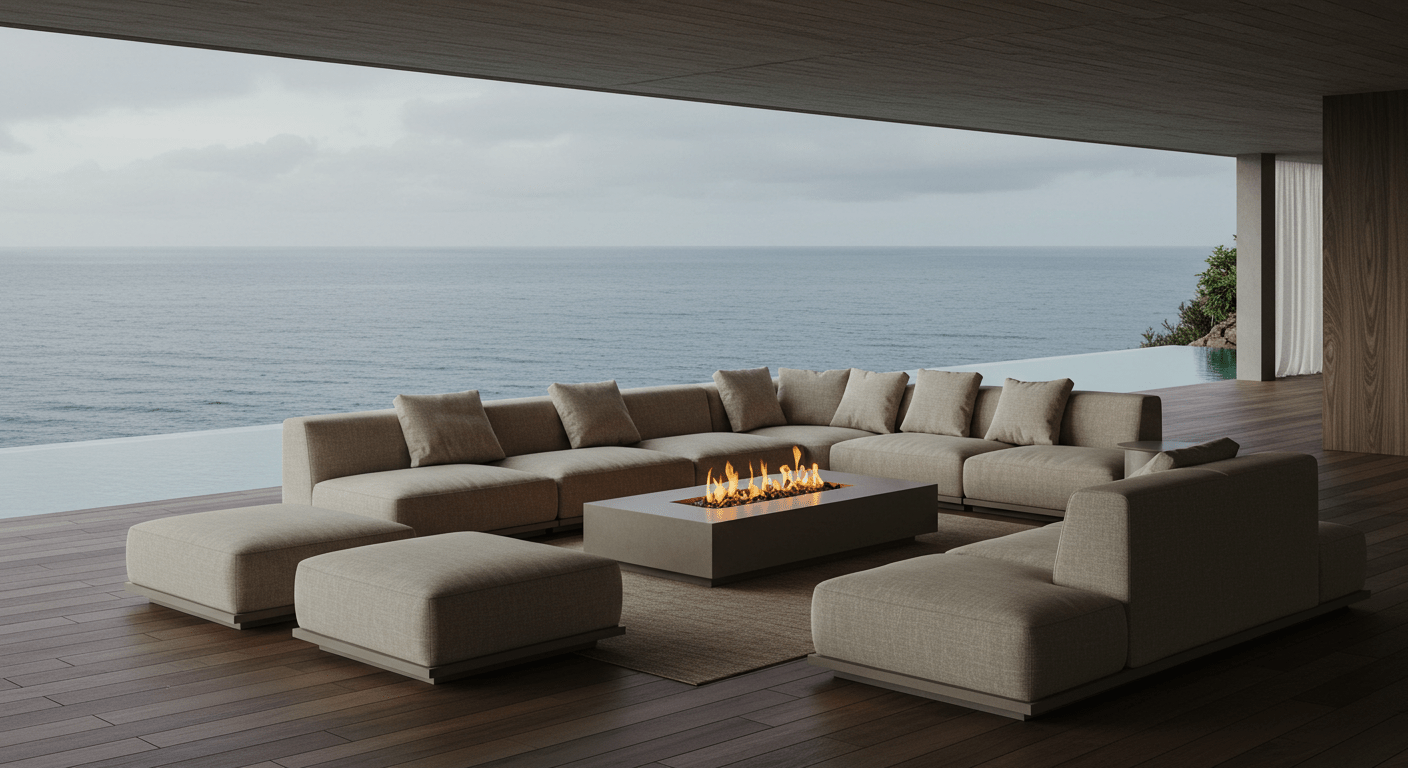
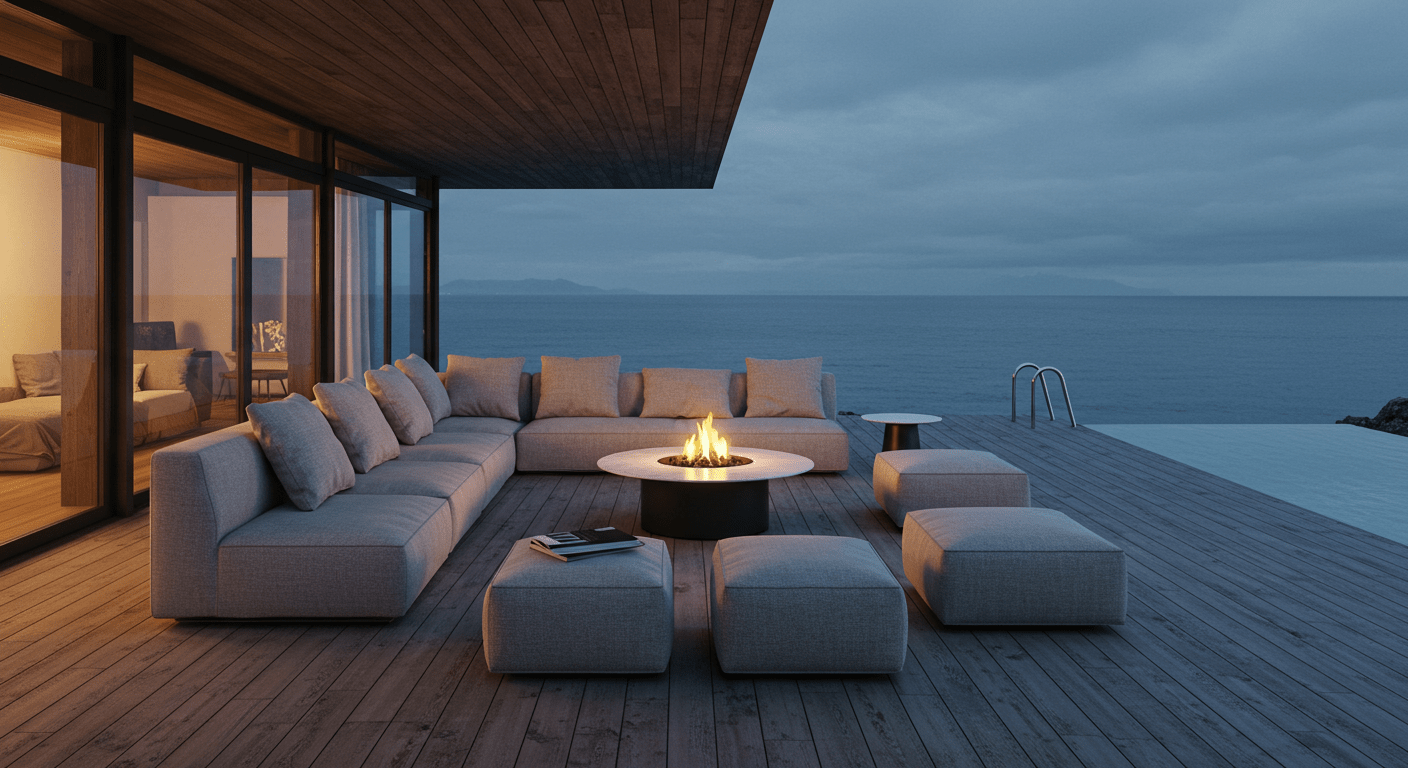
Improper clearances and poor seating ergonomics turn celebration spaces into evacuation zones. Position fire tables 10-25 feet from combustible structures and 21 feet from vegetation. Gas tables require 72 inches of overhead clearance minimum, with 7-10 feet ideal for proper heat dissipation.
Maintain at least 3 feet between fire table edges and seating in residential settings; commercial properties need wider clearances for high traffic flow. These aren't suggestions. They're lawsuit prevention and insurance requirements that determine whether your property operates or closes after one incident.
-
Prioritizing Aesthetics Over Functionality And Comfort?
Beautiful fire tables that don't function properly become expensive embarrassments.
"Guests recognize when we buy the same patio furniture they can get at a big box store," one GM admits. "It immediately signals we're not actually luxury; we're just charging luxury prices." Premium materials like GFRC, natural stone, and marine-grade stainless steel deliver both sophistication and durability.
The right materials survive thousands of guest interactions while maintaining their appearance. Choose materials that perform under pressure, not just photograph well in catalogs.
-
Neglecting Maintenance, Access, And Long-Term Cleanliness?
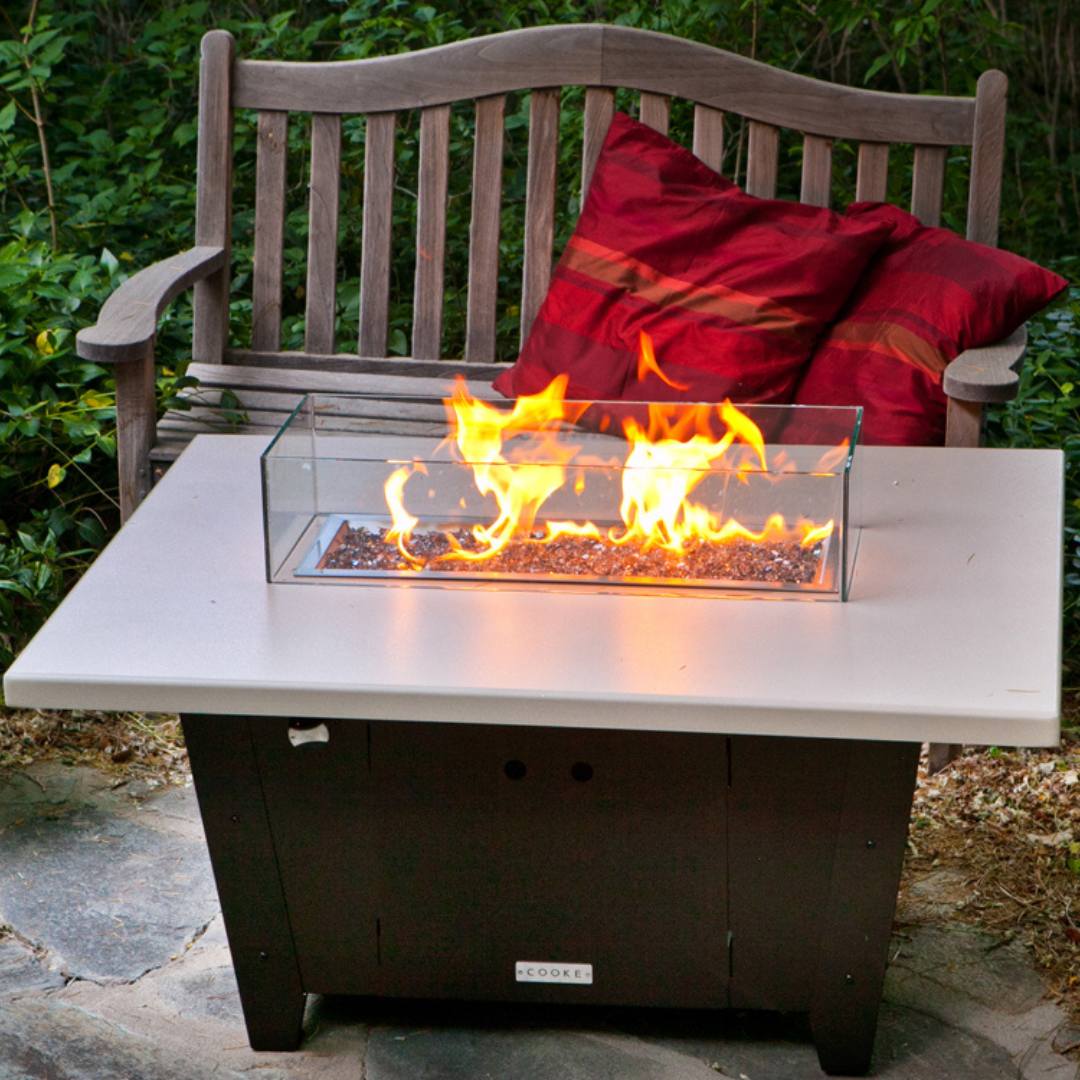
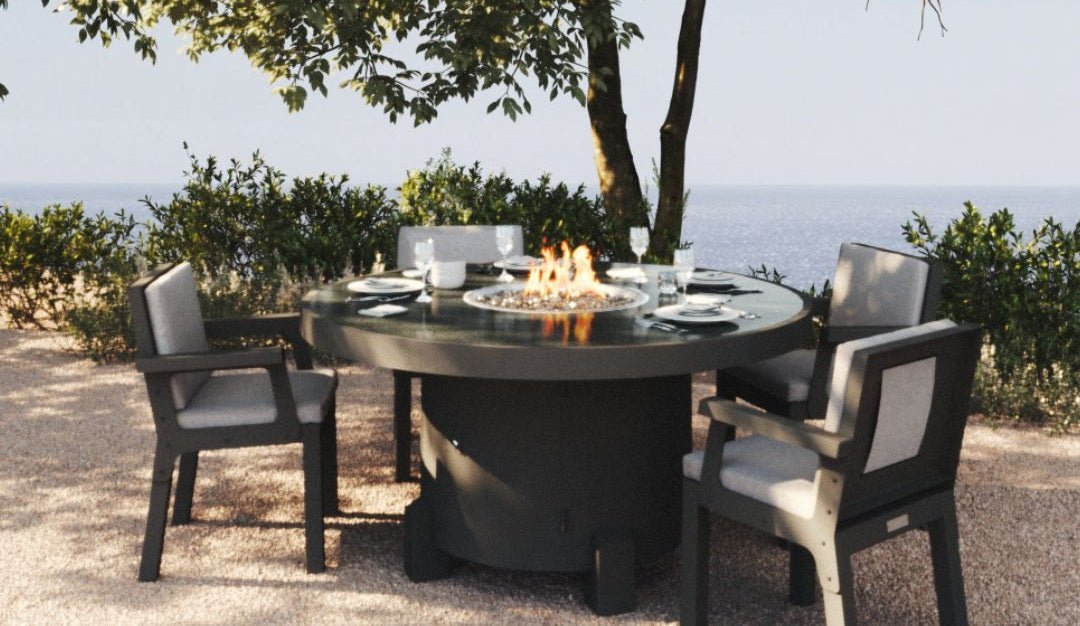
Difficult maintenance guarantees degraded appearance and eventual failure. One property learned expensively: "Salt air destroyed our $30,000 outdoor dining set in 18 months. The manufacturer said 'that's normal wear' and offered no warranty support." Compare that to manufacturers like Cooke Furniture offering 50-year structural guarantees versus industry-standard 1-3 year warranties.
Custom fire table design for easy cleaning access, component replacement, and seasonal maintenance. Properties that face durability and maintenance issues efficiently watch them deteriorate into eyesores that repel rather than attract guests.
-
Selecting A Poorly Scaled Table For Your Seating Area?
Wrong-sized fire tables make spaces feel cramped or empty, killing the atmosphere. Optimal comfort requires 22-24 inches from the fire pit edge to seating. Commercial venues demand wider pathways and dispersed seating arrangements to handle high traffic without bottlenecks. Undersized tables disappear in large spaces. Oversized tables dominate small patios. Scale determines whether guests feel cozy or cramped, social or scattered.
-
Forgetting About Shade And Shelter From Weather?
Unprotected fire tables become unusable, expensive decorations. The global fire pit market is expected to $9.6 billion by 2030 because properties recognize year-round revenue potential. Smart controls with app-controlled flames and voice activation now enable weather-responsive operation.
Wind screens, pergolas, and strategic placement extend usable hours. Properties without weather protection watch their fire tables sit empty while competitors capture shoulder-season revenue.
-
Overlooking Ambient Lighting And Its Synergy With The Flame?
Fire alone can't carry your entire outdoor lighting design. Properties combining proper fire table placement with thoughtful ambient lighting see 42% higher Average Daily Rates in vacation rentals. Layer string lights, landscape lighting, and architectural illumination with your fire table's glow.
This creates depth, ensures safe navigation, and photographs beautifully for social media. Single-source lighting from fire tables creates harsh shadows and dark corners that make guests uncomfortable.
How Can You Proactively Avoid These Fire Table Design Errors?
Prevention costs far less than remediation, especially when your property's reputation hangs in the balance.
What Does A Guest-First Fire Table Design Process Involve?
Start with guest experience outcomes, then work backward to specifications. Typical commercial hospitality fire table projects span 9-24 months from initial planning to final installation. This timeline exists for good reason. 85% of buyers require direct conversations with current clients for references because they understand the stakes.
Guest-first design means mapping traffic patterns during peak occupancy, calculating sight lines from every seat, and anticipating how servers navigate during dinner rush. It means choosing materials guests want to touch and tables they'll photograph. Design for the experience you're selling, not the catalog photo.
How Do You Balance Safety, Comfort, And Style In Your Final Choice?
Calculate total lifecycle value, not sticker price. Smart decision-makers calculate cost-per-guest-use rather than upfront investment because outdoor fire features yield up to 78% ROI for properties. A $20,000 fire table serving 100 guests nightly for five years costs eleven cents per guest experience.
Factor in increased dwell time, higher check averages, and social media amplification. Safety non-negotiables come first: clearances, certifications, and warranties. Comfort drives satisfaction scores. Style creates the Instagram moments. Properties that nail all three see the returns. Those who compromise see the complaints.
What are the Key Questions to Ask Before Purchasing A Fire Table?
Due diligence prevents expensive surprises. 75% of buyers visit vendor facilities to assess manufacturing capabilities because seeing production reveals what marketing hides.
-
Ask about salt-air testing results.
-
Demand specific warranty coverage for your environment.
-
Verify delivery guarantees with penalties.
-
Request contact information for three properties in similar climates.
Understand that 90% of purchases involve multiple stakeholders in final approval; your questions protect everyone's interests. Document answers in writing. Verbal assurances vanish when problems surface.
Should You Hire A Professional For Installation And Setup?
Professional installation prevents amateur disasters. One property's cautionary tale: "Our grand opening was delayed three months because the furniture vendor missed delivery deadlines. We lost $200,000 in pre-booked revenue."
Natural gas fire tables require professional installation per safety codes; this isn't optional. Certified installers ensure proper clearances, test safety systems, and provide documentation for insurance. They spot site issues before they become operational problems. The installation cost represents insurance against liability, not an expense to minimize.
Securing Guest Satisfaction Through Intentional Design
Fire tables either elevate your property or expose its shortcomings; there's no middle ground. Many major resorts earned recognition as the #1 resort after implementing strategic fire table installations, which created intimate spaces for guests. Every design decision compounds into guest experiences that drive reviews, repeat visits, and revenue. Properties that view fire tables as investments in experience rather than furniture purchases join the ranks of industry leaders.
Connect with Cooke Furniture's hospitality specialists to review your property's specific requirements and see how Four Seasons, Ritz Carlton, and Waldorf Astoria properties create unforgettable outdoor experiences. Visit Cooke Furniture to start your consultation.