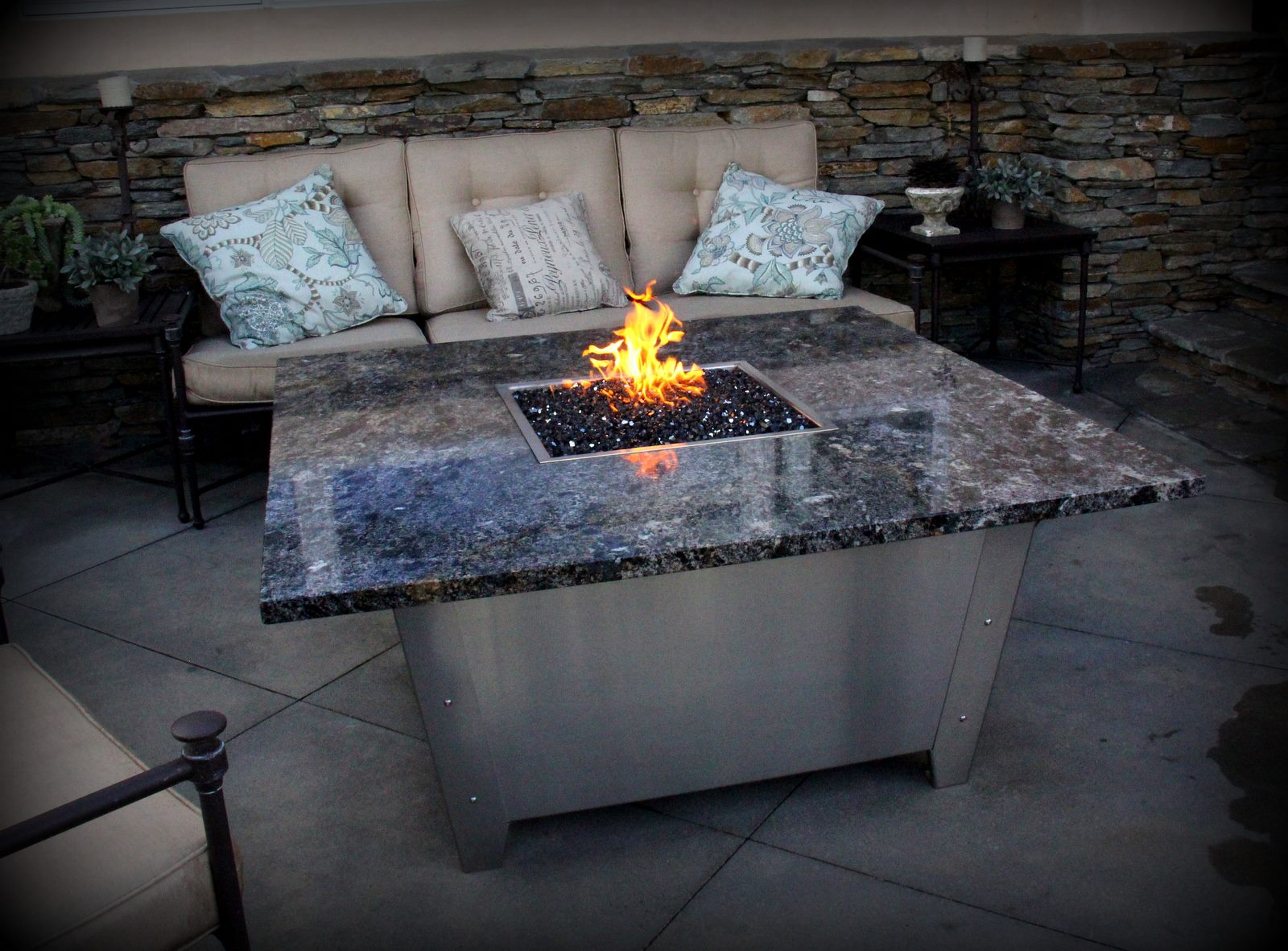
Fire Tables Near Pools: Safety Guidelines for Hotels and Resort Properties
Key Takeaways
- 15-Foot Clearance Rule Dominates: NFPA 1 and IFC require 15-foot clearance from structures for commercial fire tables classified as "portable outdoor fireplaces"—Authority Having Jurisdiction almost universally enforces this over smaller manufacturer specifications, making it the non-negotiable baseline for design planning.
- Fire Features Drive Measurable ROI: Case studies from luxury properties show fire tables increase guest dwell time by 45-60 minutes and boost evening lounge food and beverage sales by 15-25%, justifying premium investment in commercial-grade equipment and professional installation.
- Code Conflicts Create Compliance Traps: NFPA 1/IFC classify units as "portable outdoor fireplaces" (15-foot clearance) while NFPA 54/ANSI Z21.97 treat them as gas equipment (6-48 inch clearances)—relying on manufacturer specifications alone without early AHJ consultation leads to rejection and costly redesigns.
- 304 Stainless Steel Is Non-Negotiable: Commercial poolside environments demand 304 stainless steel construction for corrosion resistance against chlorine vapor, saltwater spray, and moisture exposure—lesser materials fail rapidly, creating replacement costs and liability exposure in hospitality applications.
- Professional Installation Protects Investment: All installations require licensed professionals per NFPA 54, ANSI Z21.97/CSA 2.41 certification, and early fire marshal consultation—shortcuts on specification, installation, or AHJ approval result in code violations, failed inspections, and removal orders that negate the entire investment.
Fire tables near pools create distinctive gathering spaces that extend guest dwell time and drive food and beverage revenue at hotels and resorts. However, commercial fire table guidelines require strict adherence to clearance distances, material specifications, and operational protocols that differ significantly from residential standards.
Pool deck fire table placement involves navigating NFPA codes, local fire marshal requirements, and ADA accessibility standards—complexities that catch unprepared properties in costly redesigns or removal orders. This guide covers hotel poolside safety requirements, code compliance strategies, vendor selection criteria, and design integration approaches that balance regulatory demands with guest experience goals.
Resort outdoor fire features deliver measurable ROI when specification, installation, and care and safety protocols align from project inception.
What Are Fire Tables Near Pools, and Why Are They Important for Hotels and Resorts?
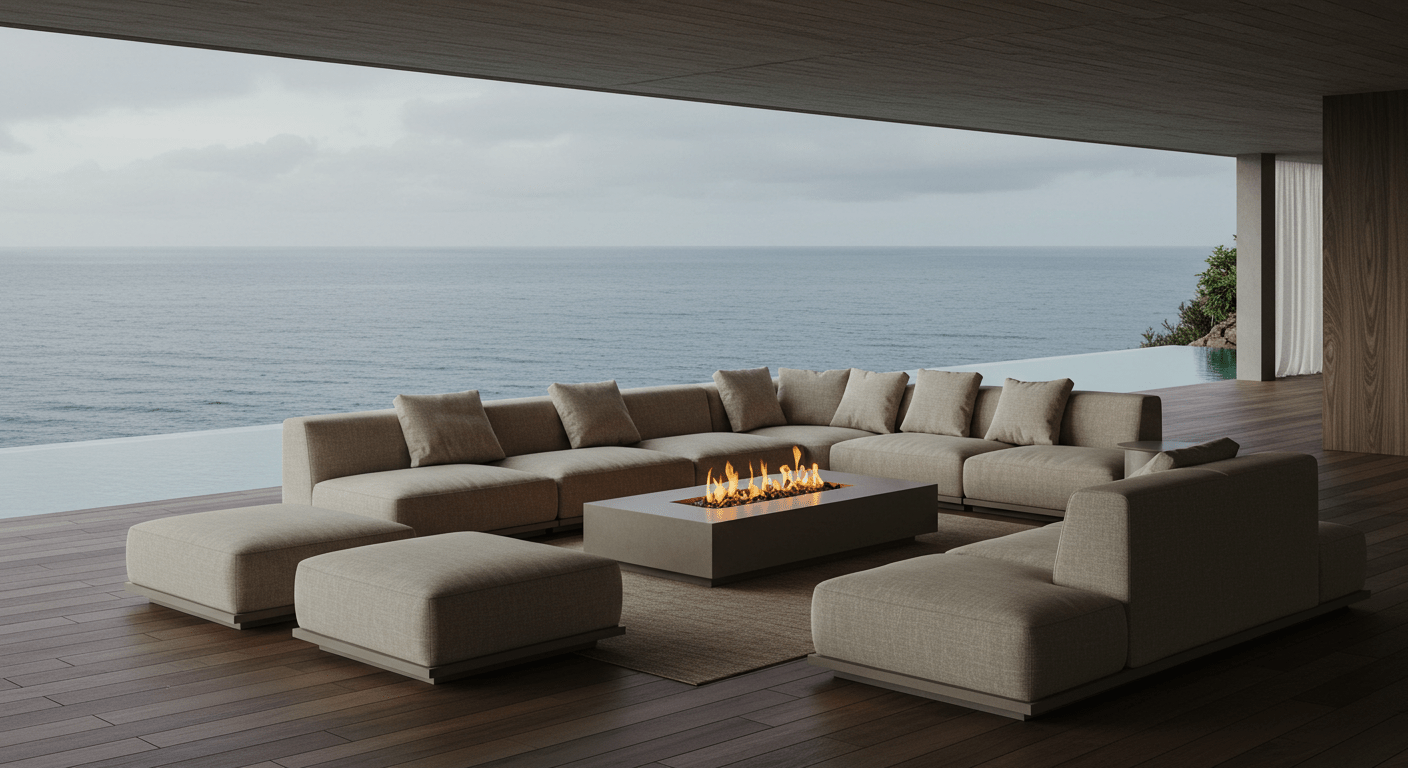
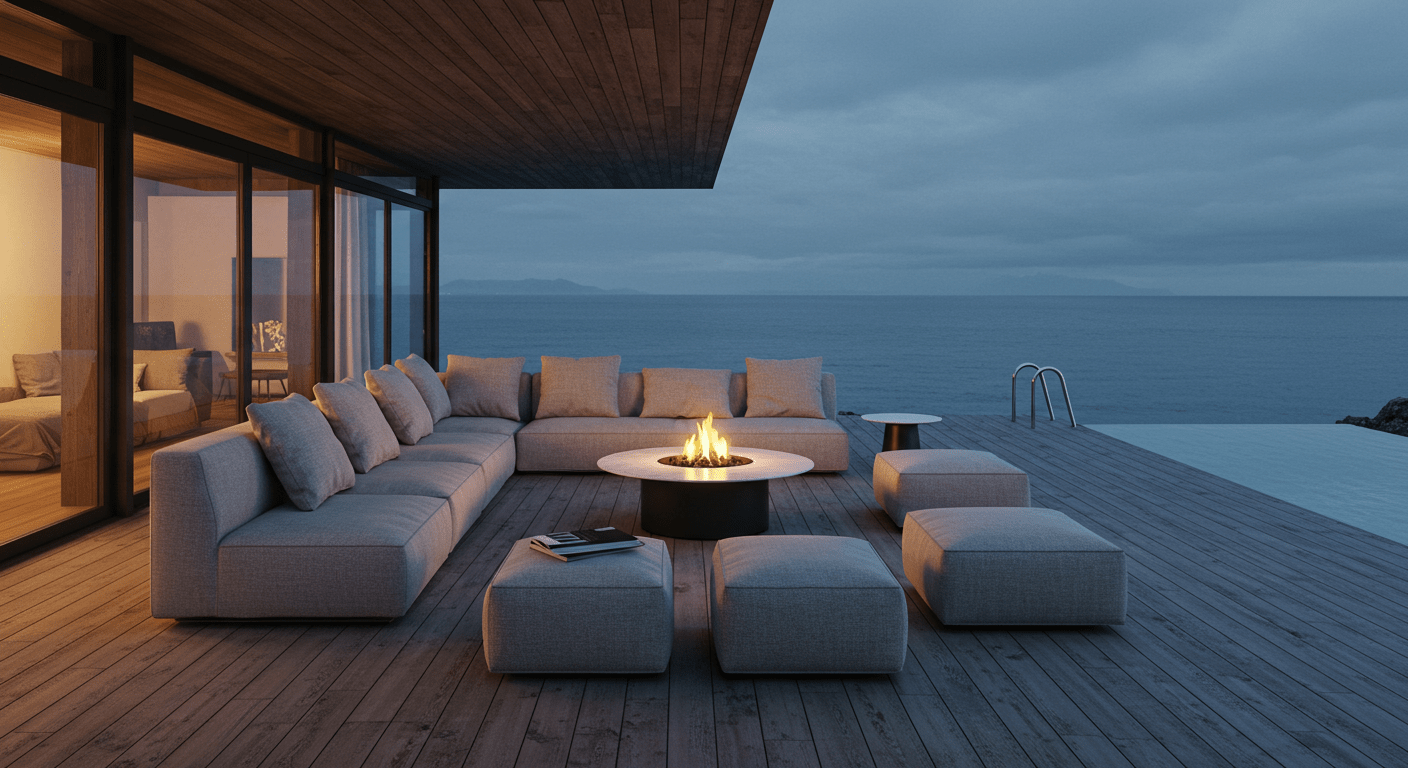
Fire tables near pools create focal points that transform standard pool decks into revenue-generating social destinations. These commercial-grade amenities combine ambient lighting, warmth, and visual appeal to extend outdoor space usage beyond daylight hours. For hotels and resorts, proper pool deck fire table placement directly impacts guest satisfaction and property ROI when care and safety protocols are followed.
What Are the Benefits of Adding Fire Tables to Poolside and Outdoor Spaces?
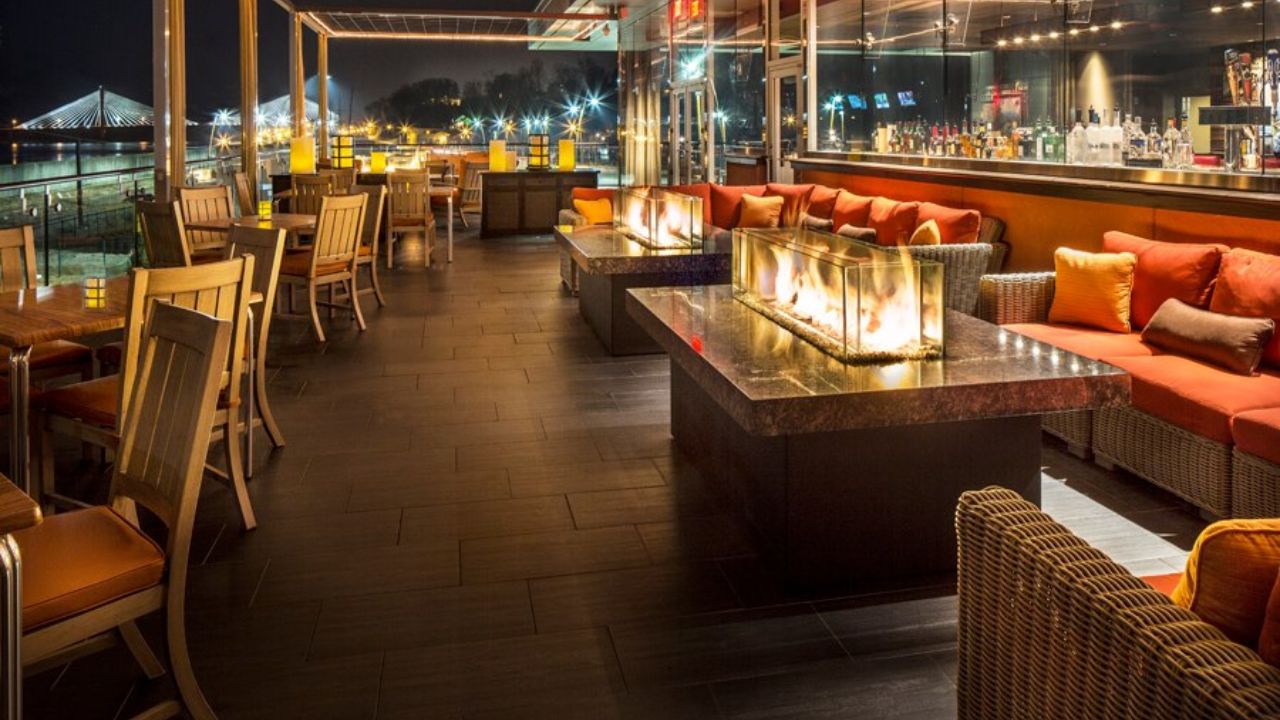
Fire tables deliver measurable financial returns. Case studies from Four Seasons and Ritz-Carlton properties show fire features increase guest dwell time by 45-60 minutes in outdoor lounges. This extended stay translates to higher consumption—properties report 15-25% increases in evening food and beverage sales after installing prominent fire features. The longer guests remain poolside, the more they spend.
How Do Fire Tables Enhance the Guest Experience at Resorts and Hotels?
Fire tables work best as centerpieces of comprehensive social zones, not standalone features. When integrated with seating clusters, lighting design, and service areas, these resort outdoor fire features anchor gathering spaces that encourage guest interaction. The ambient appeal draws guests from rooms to public areas, creating the vibrant atmosphere that defines luxury hospitality. Strategic hotel poolside safety planning ensures these features enhance rather than compromise the guest experience.
Why Are Fire Tables Becoming Popular in Resort Design Trends?
Multi-generational travel drives demand for gathering spaces that appeal across age groups. Fire tables provide neutral focal points where families, couples, and business travelers naturally congregate. Instagram-worthy aesthetics also factor—guests photograph and share distinctive fire features, generating organic marketing value. As hotels compete for group bookings and destination appeal, commercial fire table guidelines help properties differentiate while maintaining safety standards. The trend reflects broader hospitality evolution toward experiential design that prioritizes memorable social environments over purely functional spaces.
What Safety Clearances, Materials, and Operational Practices Should Hotels and Resorts Follow When Installing Fire Tables Near Pools and Water Features?
Commercial fire table guidelines establish three critical layers: clearance distances, material specifications, and operational protocols. Hotel poolside safety requires compliance with national fire codes, local amendments, and ADA accessibility standards. Understanding these requirements before design prevents costly redesigns and ensures guest protection.
What Are the Minimum Safety Clearances Required for Fire Tables on Hotel Pool Decks?
Fire tables require 15 feet (4572 mm) clearance from structures or combustible materials per NFPA 1 Section 10.11.3 and IFC Section 307.4.3. Pool deck fire table placement must maintain 10 feet (3048 mm) from the pool edge—an industry-standard distance that prevents slip-and-fall hazards near fire. Electrical components need 5 feet (1524 mm) separation from pool walls (NFPA 70 Article 680). ADA compliance mandates 48-inch clear circulation paths around all features. These measurements are non-negotiable minimums that determine viable installation locations.
How Does the Choice of Materials Impact the Durability and Safety of Fire Tables Near Pools?
Commercial-grade 304 stainless steel construction is specified for poolside environments. This material resists corrosion from chlorine vapor, saltwater spray, and moisture exposure that accelerates deterioration of lesser metals. Residential-grade materials fail rapidly in commercial settings, creating liability exposure and replacement costs. Corrosion-resistant construction directly impacts whether resort outdoor fire features remain structurally sound and visually appealing through years of continuous operation.
What Operational Safety Practices Are Essential for Poolside Fire Tables to Avoid Hazards?
Fire pit injuries sent 6,551 people to U.S. emergency departments in 2020—a 59% increase from the prior decade's average. Liquid-fuel incidents cause severe burns covering 40%+ of body surface area. These statistics underscore why care and safety protocols matter. Hotels must implement emergency shut-off procedures, train staff on guest behavior management, and establish ignition/extinguishing protocols. Unsupervised operation creates unacceptable risk. Designated personnel should control lighting, monitor usage, and respond to incidents immediately.
Are Fire Tables Safe on Commercial Decks, and How Should They Be Placed to Maximize Safety?
Are fire tables safe on commercial decks? Yes, when Authority Having Jurisdiction (AHJ) requirements are met. Local fire marshals almost universally enforce the 15-foot clearance rule for commercial applications, regardless of manufacturer specifications claiming smaller distances. Designers should plan for 15-foot clearance in initial site layouts—not as negotiable, but as baseline. Manufacturer specifications often cite 6-48 inch clearances based on residential testing, but commercial fire table guidelines default to the more restrictive code. Early AHJ consultation prevents design conflicts that force relocation or removal.
What Codes and Compliance Standards Apply to Fire Tables Near Pools and Water Features?
Multiple regulatory frameworks govern fire tables near pools, creating overlapping requirements that hotels must navigate. National fire codes establish baseline standards, while state and local amendments often impose stricter requirements. Commercial fire table guidelines require coordination between fire safety codes, gas installation standards, and electrical regulations for pools.
How Do Fire Safety Codes Affect the Placement and Use of Fire Tables on Hotel Pool Decks?
NFPA 1 (2021/2024 editions) classifies commercial fire tables as "portable outdoor fireplaces" requiring 15-foot operational clearance from structures. IFC Section 307.4.3 (2021-2024) mandates identical 15-foot clearance from structures. NFPA 54 (2024 National Fuel Gas Code) governs all gas line installation and appliance connections, while NFPA 70 Article 680 regulates electrical components near pools and spas. These codes work together—fire clearances, fuel supply, and electrical safety each require separate compliance. Hotel poolside safety depends on meeting all three simultaneously.
What Local Building and Safety Codes Should Be Considered When Installing Fire Tables Near Pools?
California Fire Code jurisdictions in dense urban or high fire-risk areas may increase standard clearance to 25 feet and require specific anchoring plus seismic bracing. Arizona largely follows IFC/NFPA models but high-wind zones sometimes mandate additional wind-resistance measures. Florida adheres to IFC standards while coastal and high-wind zones frequently impose extra anchoring and wind-resistance requirements. Local amendments always supersede national codes. Designers must verify requirements with the specific jurisdiction's fire marshal before finalizing pool deck fire table placement.
How Can Hotels Ensure Compliance With Regulations While Installing Fire Features?
Specify only appliances listed to ANSI Z21.97/CSA 2.41—the required standard for outdoor decorative gas appliances. The August 25, 2023 NFPA 54 TIA 54-24-1 Tentative Interim Amendment updated references to the latest ANSI Z21.97/CSA 2.41 edition, ensuring current compliance. 2024 code editions of both NFPA 1 and NFPA 54 place increased scrutiny on semi-enclosed installations and ventilation requirements. 23 code updates were identified from NFPA and IFC during 2023-2025, emphasizing that resort outdoor fire features standards evolve continuously. Compliance requires engaging licensed professionals familiar with current codes and securing Authority Having Jurisdiction approval before installation. Care and safety start with proper certification—non-listed appliances create immediate liability.
What Factors Should Be Considered When Choosing a Fire Table for Poolside Use?
Selection criteria for fire tables near pools extend beyond aesthetics to spatial constraints, guest safety, and operational requirements. Pool deck fire table placement involves calculating clearances first, then choosing units that fit available space while meeting commercial fire table guidelines. Design, functionality, and safety features must align with high-traffic hospitality environments.
How Do Pool Deck Layouts and Guest Flow Impact Fire Table Placement?
Three clearances define viable placement zones: 10-foot pool edge clearance prevents guests from backing into fire when exiting water, 48-inch ADA circulation paths ensure accessibility compliance around all sides, and 15-foot structural clearance from buildings or combustible materials eliminates most locations near structures. Map these constraints on deck plans before selecting furniture or fire table sizes. Guest flow patterns—entry points, bar access, restroom routes—must avoid crossing fire feature perimeters. High-traffic areas require wider berths than code minimums. Poor placement creates bottlenecks where guests navigate between fire and water, increasing incident risk.
How Can Customizable Fire Tables Fit the Aesthetic and Functionality Needs of Resort Properties?
Customization addresses brand standards, climate conditions, and operational preferences. Hotels specify fuel type (natural gas versus propane), BTU output for desired heat levels, table height for seating configurations, and finish materials matching existing decor. Resort outdoor fire features often require oversized dimensions for visibility across large pool decks, integrated media for entertainment zones, or modular designs for seasonal reconfiguration. Custom builds accommodate site-specific constraints like irregular deck shapes or underground utility conflicts. Vendors experienced in commercial projects understand hotel poolside safety requirements and can engineer solutions that meet both aesthetic goals and regulatory compliance without compromise.
What Design Features Help Mitigate Risks and Improve Safety in High-Traffic Areas?
Electronic ignition systems with flame-sensing safety shut-offs eliminate manual lighting hazards and automatically extinguish flames when sensors detect unsafe conditions. These systems prevent the sustained open flames that cause most injuries. Units must carry ANSI Z21.97/CSA 2.41 certification explicitly approving commercial use—residential ratings are inadequate for hotel applications. Additional safety features include tempered glass wind guards that contain embers, automatic fuel shutoff valves, tip-over protection, and lockable controls preventing guest tampering. Are fire tables safe on commercial decks? Only when equipped with commercial-grade safety systems. Care and safety protocols depend on hardware designed for unsupervised public access, not homeowner operation.
What Are the Best Operational Safety Practices for Fire Tables Near Pools?
Daily operations determine whether fire tables near pools enhance or endanger guests. Written protocols, staff training, and maintenance schedules transform compliant installations into safely managed amenities. Hotel poolside safety extends beyond code compliance to proactive risk management through standardized procedures.
How Do Resort Staff Manage Fire Table Operation, Lighting, and Shutdown Procedures?
Designate trained personnel for all fire table operations—never allow guest self-service. Staff must complete training on emergency shut-off procedures including fuel valve location, electronic ignition kill switches, and fire extinguisher deployment. Guest behavior management protocols should address children approaching flames, guests placing objects on tables, and intoxicated individuals near fire. Document lighting checklists that verify wind conditions, surrounding combustibles, and equipment function before ignition. Shutdown procedures include visual confirmation that flames are extinguished, fuel valves closed, and surrounding areas cleared. Commercial fire table guidelines require operational controls matching the supervision level—unsupervised public areas need fail-safe systems and restricted access.
What Maintenance Practices Ensure Fire Tables Remain Safe for Long-Term Use on Pool Decks?
Implement routine inspection schedules—daily visual checks for damage, weekly burner cleaning, monthly gas line leak tests, and quarterly professional servicing. Corrosion from pool chemicals accelerates in coastal environments; inspect connections and structural integrity more frequently in saltwater exposure. Professional gas line connections and appliance installations are mandatory—never use in-house maintenance staff for fuel system work unless properly licensed. Documentation matters: log all inspections, repairs, and incidents to establish care and safety diligence. Resort outdoor fire features require preventive maintenance contracts with certified technicians familiar with commercial equipment. Reactive maintenance after failures creates liability exposure; scheduled servicing prevents malfunctions.
How Should Hotels Handle Malfunctions or Incidents Involving Fire Tables?
Establish incident response protocols before problems occur. Immediate actions include shutting off fuel supply, evacuating the area, deploying fire extinguishers if safe to do so, and contacting emergency services for injuries. Document everything—witness statements, equipment conditions, photos, and timeline. Remove malfunctioning units from service immediately; "caution" signage doesn't eliminate liability. Contact the manufacturer and installation contractor to investigate root causes. For injury incidents, notify insurance carriers within policy timeframes and preserve evidence. Review incidents with staff to update training and procedures. Are fire tables safe on commercial decks? Only when operators treat malfunctions as system failures requiring investigation, not isolated incidents. Pool deck fire table placement reviews should follow any incident to assess whether location contributed to the event.
How Can Hotels and Resorts Integrate Fire Tables into Pool Deck Design While Maintaining Safety?
Design integration requires planning clearances first, aesthetics second. Successful pool deck fire table placement balances regulatory compliance with guest experience goals. Hotels that reverse this priority face costly relocations or removal orders after installation.
How Should Hotels Design Poolside Seating and Layouts Around Fire Tables to Ensure Safe Use?
Default to 15-foot operational clearance in initial design phase—measure from fire table center to structures, not edge-to-edge. This creates a 30-foot diameter exclusion zone that determines furniture placement, planting beds, and circulation routes. Position the fire feature as centerpiece of a comprehensive social zone with seating clusters at code-compliant distances radiating outward. Ensure 48-inch ADA circulation paths connect all seating areas without crossing fire perimeters. Resort outdoor fire features work best when clearance zones double as gathering spaces rather than empty buffers. Integrate low planters, bollards, or grade changes to naturally guide traffic away from flames while maintaining open sightlines for supervision. Hotel poolside safety improves when design prevents access conflicts rather than relying on signage alone.
What Are the Key Considerations for Choosing the Right Fire Table Placement on Resort Decks?
Early consultation with your local fire marshal and building department is non-negotiable when specifying designer outdoor fire pits for hospitality properties. Always engage authorities before purchasing equipment or finalizing installation plans. Local amendments and specific code interpretations frequently exceed national standards. California jurisdictions may require 25-foot clearances while Florida coastal zones mandate hurricane-rated anchoring systems. When conflicts exist between codes, authorities having jurisdiction typically enforce the most restrictive requirements. Submit detailed site plans showing all clearances, fuel routing, and electrical connections for review. Request written approval documenting accepted placement before construction begins. Commercial fire feature guidelines vary significantly by jurisdiction, and assumptions based on other properties routinely lead to costly rejections. Fire marshals appreciate proactive engagement over post-installation variance requests. Care and safety planning starts with regulatory alignment, not design preference..
What Are the Most Common Mistakes Hotels Make When Using Fire Tables Near Pools?
Installation failures stem from misunderstanding code conflicts, trusting manufacturer specifications over fire codes, and inadequate clearances. These errors create enforcement actions, guest injuries, and removal orders. Learning common mistakes helps hotels avoid expensive redesigns.
How Can Poor Placement of Fire Tables Lead to Safety Issues and Guest Complaints?
A fundamental classification conflict undermines many projects: NFPA 1/IFC classify units as "portable outdoor fireplaces" requiring 15-foot clearance, while NFPA 54/ANSI Z21.97 treat them as gas equipment with 6-48 inch manufacturer clearances. Hotels see smaller manufacturer numbers and assume compliance. Relying on manufacturer specifications alone without AHJ consultation leads to non-compliance—fire marshals enforce building codes, not product manuals. This disconnect explains why inspectors reject installations that vendors claimed were "code-compliant." Designers must recognize that fire tables near pools fall under fire safety jurisdiction, not just appliance standards. Resort outdoor fire features require the larger clearance despite manufacturer claims. Guest complaints follow when prominent amenities get red-tagged during occupancy.
Why Is It Important to Ensure Fire Tables Are Not Placed Too Close to Water Features or Other Combustible Materials?
Inadequate clearance from pool edge (less than 10 feet) creates slip-and-fall hazards where wet guests back into fire table perimeters when exiting water. Splash zones, towel drop areas, and natural exit routes require buffer space that insufficient clearance eliminates. Insufficient structural clearance (less than 15 feet) violates fire safety codes by positioning ignition sources near buildings, cabanas, umbrellas, and landscaping. Are fire tables safe on commercial decks? Not when clearances are compromised. Pool deck fire table placement must account for both water proximity and structural separation simultaneously—optimizing for one while ignoring the other fails. Care and safety requires meeting all clearance requirements, not selecting the most convenient standard. Combustible materials include more than buildings; wooden furniture, fabric umbrellas, and synthetic decking all enforce the 15-foot rule.
How Should Hotels Select the Right Vendor for Fire Tables Near Pools?
Vendor selection determines long-term performance and regulatory compliance. Commercial fire table guidelines require manufacturers and installers who understand hospitality code requirements, not residential standards. Wrong vendor choices result in non-compliant equipment, premature failure, and liability exposure.
What Qualifications Should Hotels Look for in Fire Table Vendors for Poolside Installations?
Only specify fire tables certified to ANSI Z21.97/CSA 2.41—this listing standard separates commercial-approved appliances from residential models. Verify certification with third-party testing agencies like UL or CSA, not manufacturer claims alone. Units must be explicitly approved for commercial use in the certification documentation; some ANSI-listed products carry residential-only restrictions. Request specification sheets showing commercial rating, BTU output, and approved fuel types. Vendors unable to provide third-party certification documents should be disqualified immediately. Hotel poolside safety depends on equipment designed and tested for public access, heavy use, and outdoor exposure. Are fire tables safe on commercial decks? Only when properly certified for commercial applications.
Why Is Customization Important in Choosing Fire Tables for Commercial Pool Decks?
Standard residential units fail in commercial environments. 304 stainless steel construction provides necessary corrosion resistance for poolside chlorine vapor, saltwater spray, and constant moisture exposure. Lesser materials rust, pit, and degrade within months. Commercial-grade materials withstand heavy-use hospitality environments—repeated daily operation, guest interaction, and weather exposure that residential equipment cannot survive. Customization allows hotels to specify fuel type matching site infrastructure (natural gas versus propane), BTU output appropriate for deck size, and dimensions fitting clearance constraints. Resort outdoor fire features require engineering for specific conditions; off-the-shelf residential products create maintenance nightmares and safety risks. Pool deck fire table placement often involves irregular spaces where standard sizes don't fit—custom fabrication solves layout challenges while maintaining compliance.
What Does a Vendor's Experience in Commercial Installations Tell Hotels About Safety and Durability?
Vendor should demonstrate familiarity with 15-foot clearance requirements and code conflicts between NFPA 1 and manufacturer specifications. Ask for references from similar hospitality projects and documentation showing successful inspections. Experienced vendors anticipate AHJ questions and provide engineered drawings supporting compliance. Professional installation capability per NFPA 54 is essential—vendors must employ or contract with licensed gas fitters who pull permits and coordinate inspections. Fire tables near pools require gas line routing, electrical connections, and structural anchoring; vendors offering "delivery only" leave hotels scrambling for qualified installers. Care and safety start with vendors who understand that commercial fire table guidelines exceed residential standards. Track record matters—vendors new to hospitality projects create risk through inexperience with regulatory requirements and operational demands that hotels face.
How Can Hotels Balance Aesthetic and Functional Safety When Using Fire Tables Near Pools?
Safety requirements don't conflict with design goals—they define parameters within which great design happens. Commercial fire table guidelines establish clearances and materials that smart designers incorporate as design elements, not obstacles. Hotel poolside safety enhances guest experience when properly integrated into spatial planning.
How Can Fire Tables Serve as Focal Points in Poolside Design Without Compromising Safety?
The 15-foot clearance zone becomes the social gathering area, not wasted space. Design seating clusters at code-compliant distances radiating from the fire table, creating conversation pods that face the flames. Low planters, decorative bollards, or subtle grade changes at clearance perimeters naturally guide traffic while maintaining visual openness. Fire features work best as centerpieces of comprehensive social zones—position bars, food service, and premium seating within view but outside clearance radius. Lighting design should highlight the fire table as the anchor while illuminating pathways that route guests around, not through, safety zones. Pool deck fire table placement determines furniture layouts, not the reverse. Resort outdoor fire features gain prominence when entire zones are designed around them rather than inserted into existing layouts. Clearances create intimacy by defining human-scale gathering spaces within larger pool decks.
What Materials, Designs, and Features Make Fire Tables Safe and Attractive for Guests?
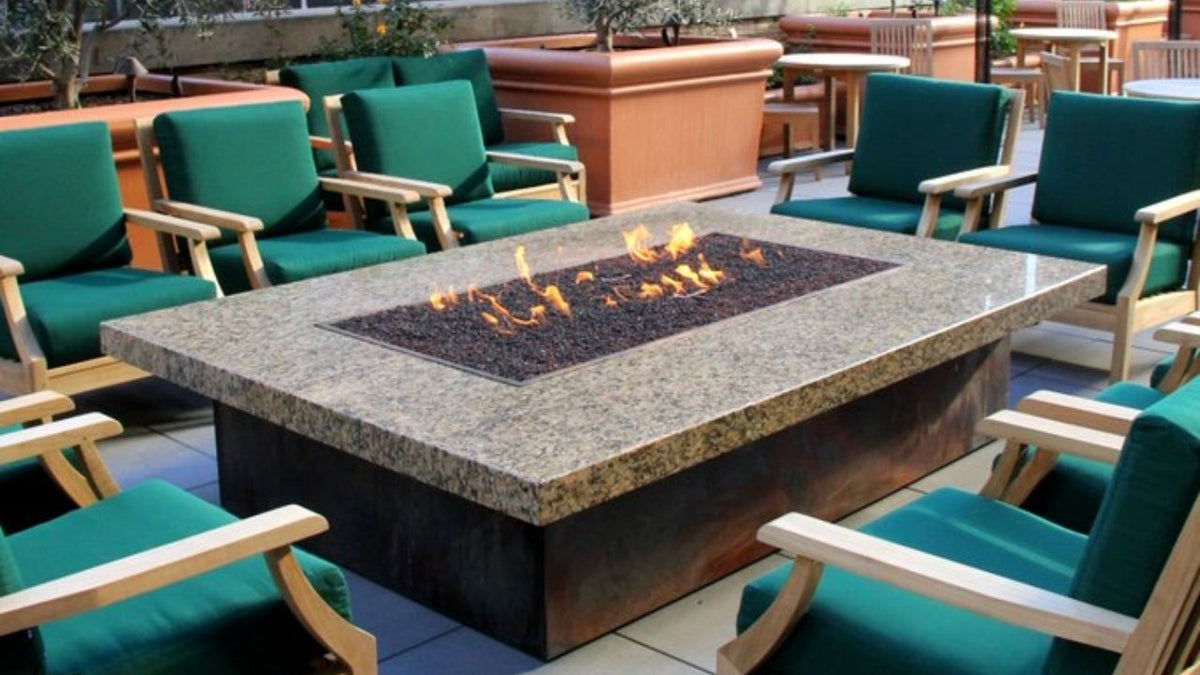
Electronic ignition with flame-sensing safety shut-offs eliminates visible safety hardware—no manual valves, lighters, or controls that compromise clean design. Flames appear and extinguish seamlessly while sensors monitor operation. Commercial-grade 304 stainless steel construction delivers both durability and refined appearance; brushed finishes complement modern aesthetics while resisting corrosion. ANSI Z21.97/CSA 2.41 certified appliances designed for commercial use integrate safety systems invisibly—wind guards use tempered glass that enhances flame visibility, automatic shutoffs require no user interface, tip-over protection embeds in base design. Are fire tables safe on commercial decks while maintaining luxury aesthetics? Yes, when manufacturers engineer safety into form, not as add-ons. Fire tables near pools should match surrounding architecture—contemporary stainless and glass for modern properties, stone and bronze for traditional resorts. Care and safety features succeed when guests notice beauty, not safety equipment. Commercial fire table guidelines require function and form integration from initial design, not cosmetic coverings over industrial equipment.
Creating Safe and Inviting Poolside Experiences with Fire Tables at Hotels and Resorts
Fire tables near pools transform functional pool decks into revenue-generating destinations when safety and design align. Commercial fire table guidelines provide the framework; thoughtful implementation delivers results. Hotel poolside safety and guest experience are complementary goals, not competing priorities.
Why Do Premium, Commercial-Grade Fire Tables Offer Long-Term Safety and Value for Resorts?
Investment returns justify premium specifications. Properly installed fire features drive 45-60 minute increases in guest dwell time, directly translating to consumption. Properties report 15-25% increases in evening lounge revenue after prominent fire feature installations. These gains compound over years when commercial-grade equipment withstands heavy use without degradation. Residential-grade units save upfront costs but require replacement within 2-3 years; commercial 304 stainless steel installations perform for decades. Pool deck fire table placement affects property value—signature amenities photographed and shared by guests become marketing assets. Resort outdoor fire features represent capital improvements that enhance asset value, not disposable décor. Are fire tables safe on commercial decks while generating ROI? Yes, when proper materials and installation protect the investment from premature failure and liability exposure.
How Can Thoughtful Design and Strategic Placement Elevate the Poolside Experience While Ensuring Guest Safety?
Early AHJ consultation identifies code requirements before design commitments lock in non-compliant layouts. 15-foot clearance planning determines viable locations and informs furniture placement, circulation routes, and architectural relationships from initial concepts. Professional installation by licensed professionals per NFPA 54 protects long-term investment through code compliance, warranty validity, and documented safety protocols. Fire tables near pools succeed when regulatory requirements shape design decisions rather than constrain finished plans. Hotels that engage fire marshals, specify certified equipment, and budget for professional installation avoid the redesigns and removal orders that plague shortcuts. Care and safety planning during pre-design costs hours; corrections after installation cost thousands. Commercial fire table guidelines exist because fire features involve real risks—6,551 annual injuries prove consequences of inadequate planning. Strategic placement, premium materials, and operational protocols transform those risks into managed amenities that define luxury hospitality experiences guests remember and properties monetize.
Partner With Cooke for Compliant, Code-Approved Fire Table Installations
Cooke's design experts specialize in commercial fire table installations that meet NFPA codes, local fire marshal requirements, and ADA accessibility standards. Our team navigates clearance conflicts, material specifications, and AHJ consultations to deliver poolside fire features that pass inspections and enhance guest experiences.
We specify ANSI Z21.97/CSA 2.41 certified equipment, coordinate licensed professional installation per NFPA 54, and provide engineered drawings supporting 15-foot clearance compliance. From initial site assessment through final approval, Cooke manages the regulatory complexities that derail inexperienced vendors.
Cooke Furniture's commercial design team specializes in custom fire features for resorts and hospitality properties navigating complex regulatory requirements. Contact us to discuss your project and ensure your investment generates strong revenue returns while meeting every code and safety standard.