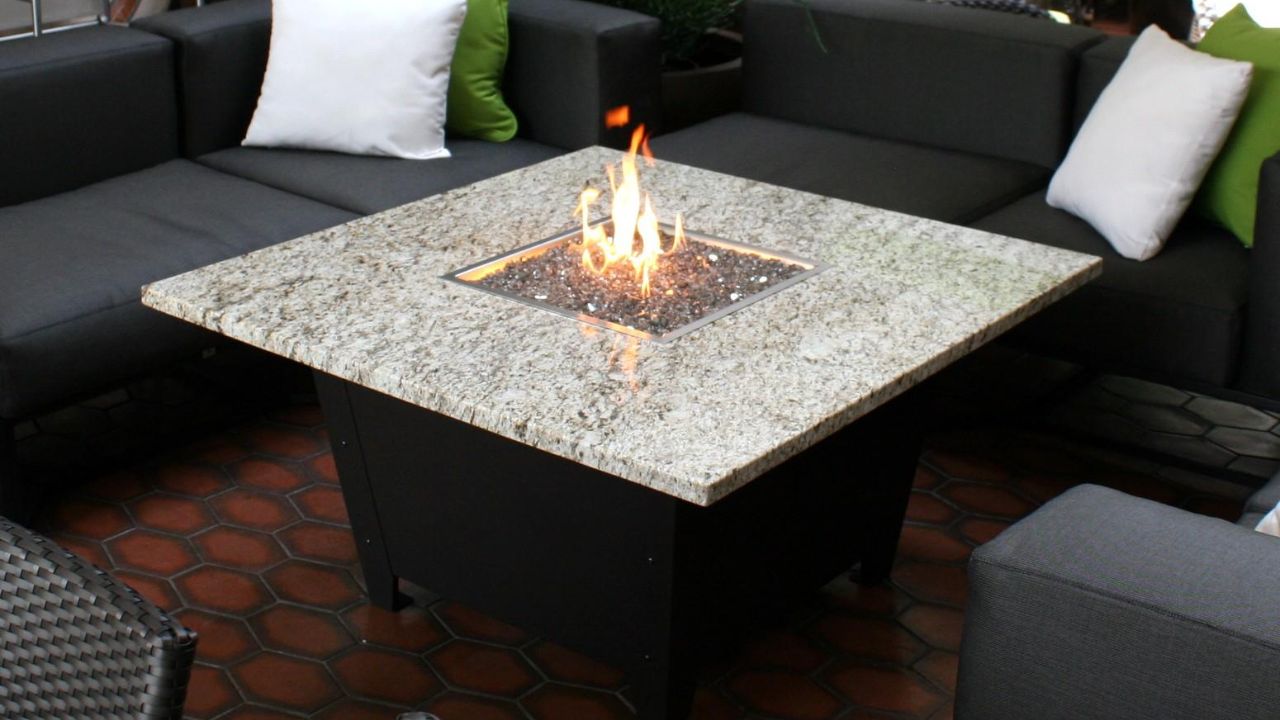
Fire Tables Under Pergolas: Safety Requirements for Commercial Outdoor Spaces
Key Takeaways
- Plan for 15-Foot Clearance: NFPA 1 and IFC require 15-foot operational clearance from structures and combustibles for commercial fire tables, regardless of manufacturer specifications. Authorities Having Jurisdiction almost universally enforce this stricter standard.
- Overhead Clearance Scales with BTU Output: Standard commercial units (≤200,000 BTU) require 7-foot minimum vertical clearance; higher-output units (>200,000 BTU) require 10-foot clearance from fire table to pergola structure.
- Ventilation is Non-Negotiable: Pergolas must be at least 50% open with two open sides for cross-ventilation to prevent carbon monoxide buildup and heat accumulation under overhead structures.
- Specify Certified Appliances Only: All commercial fire tables must be certified to ANSI Z21.97/CSA 2.41 with electronic ignition and flame-sensing shut-offs. Professional installation per NFPA 54 by licensed technicians is mandatory.
- Fire Features Drive Revenue: Properties report 15-25% increases in evening lounge sales and 45-60 minutes of additional guest dwell time when fire tables serve as centerpieces of comprehensive social zones.
Fire tables under pergolas create high-impact amenity zones in hospitality outdoor design, but commercial installations demand strict adherence to fire codes and safety standards. Properties report 15-25% revenue increases from fire features, yet 6,551 fire pit injuries occurred in 2020 alone—a 59% increase over the prior decade.
This guide addresses critical commercial fire table safety requirements, including overhead clearance fire table standards, pergola ventilation requirements, and compliance with NFPA 1 and IFC codes. From professional setup guides for commercial properties to fire table flame control protocols, understand the building codes, installation best practices, and maintenance routines that protect guests while maximizing return on investment.
What Are Fire Tables and Pergolas in Commercial Outdoor Spaces?
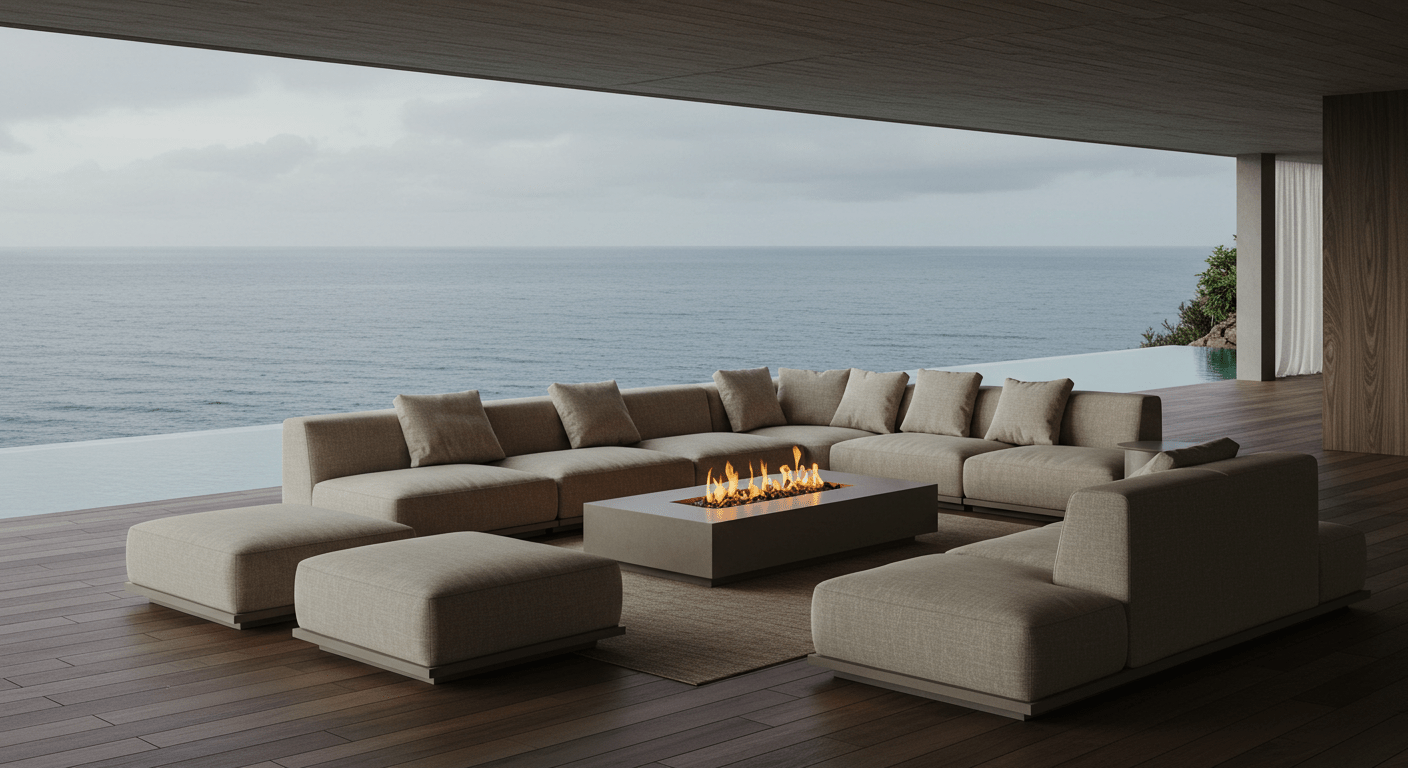
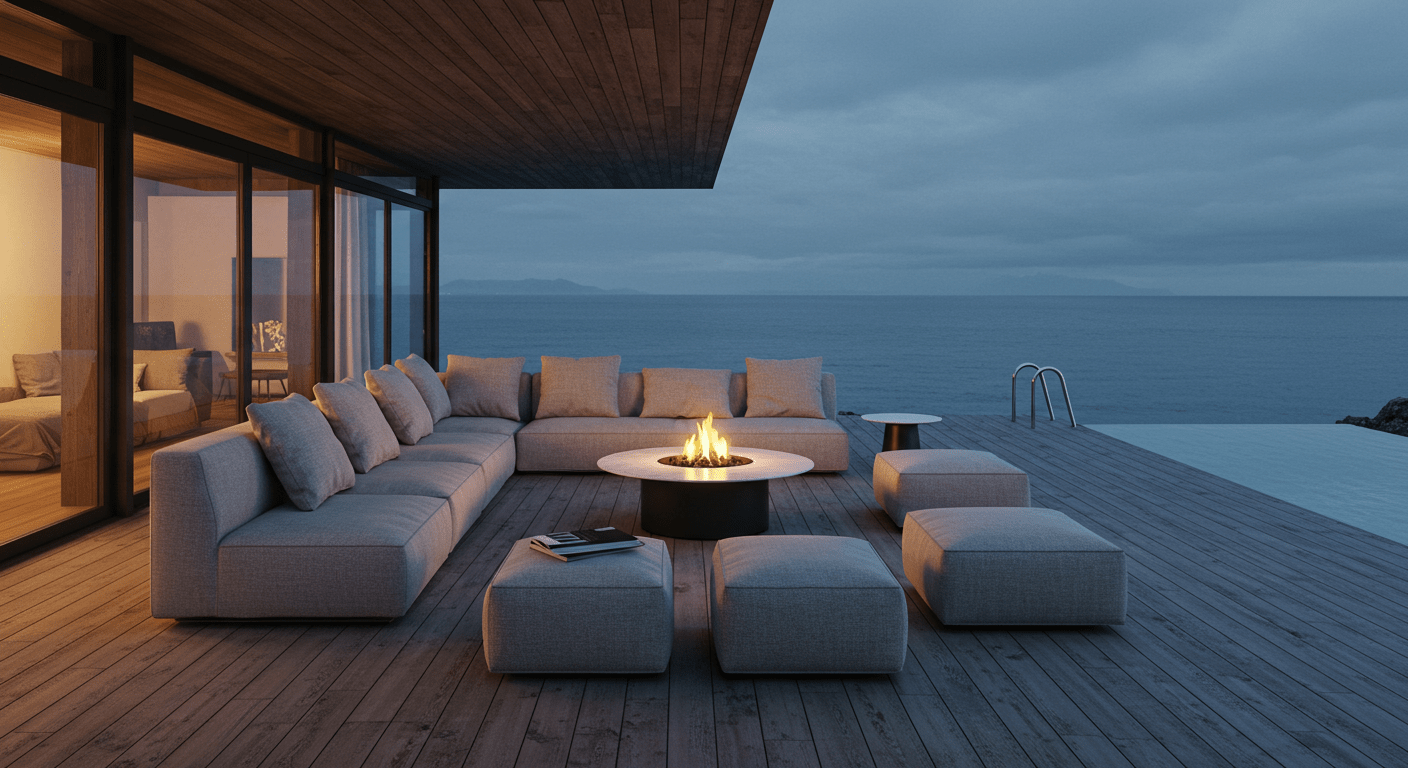
Fire tables paired with pergolas create high-value amenity zones in hospitality outdoor design. Understanding their technical specifications and design impact ensures compliant, profitable installations.
Defining Fire Tables and Their Role in Enhancing Commercial Outdoor Spaces
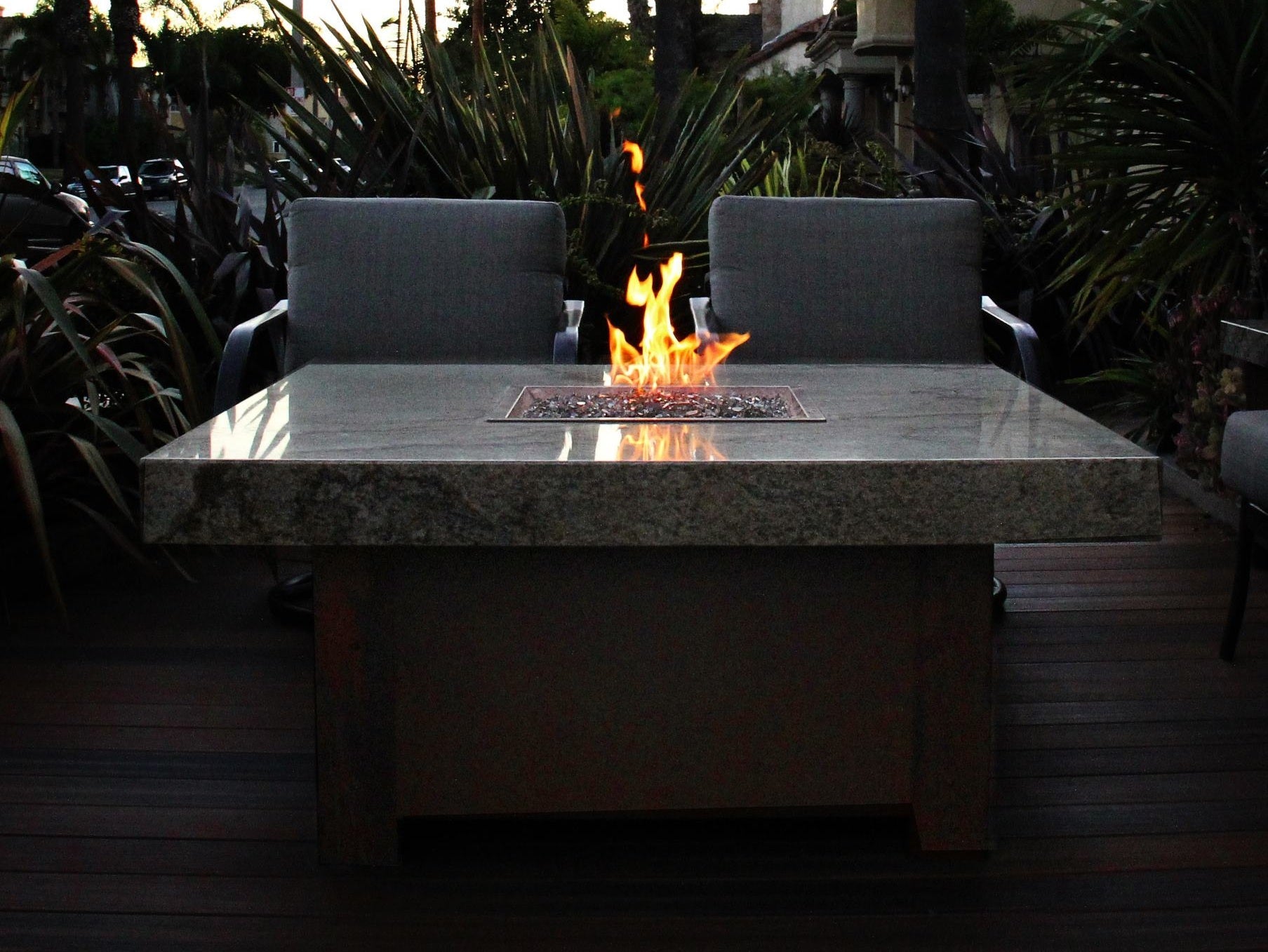
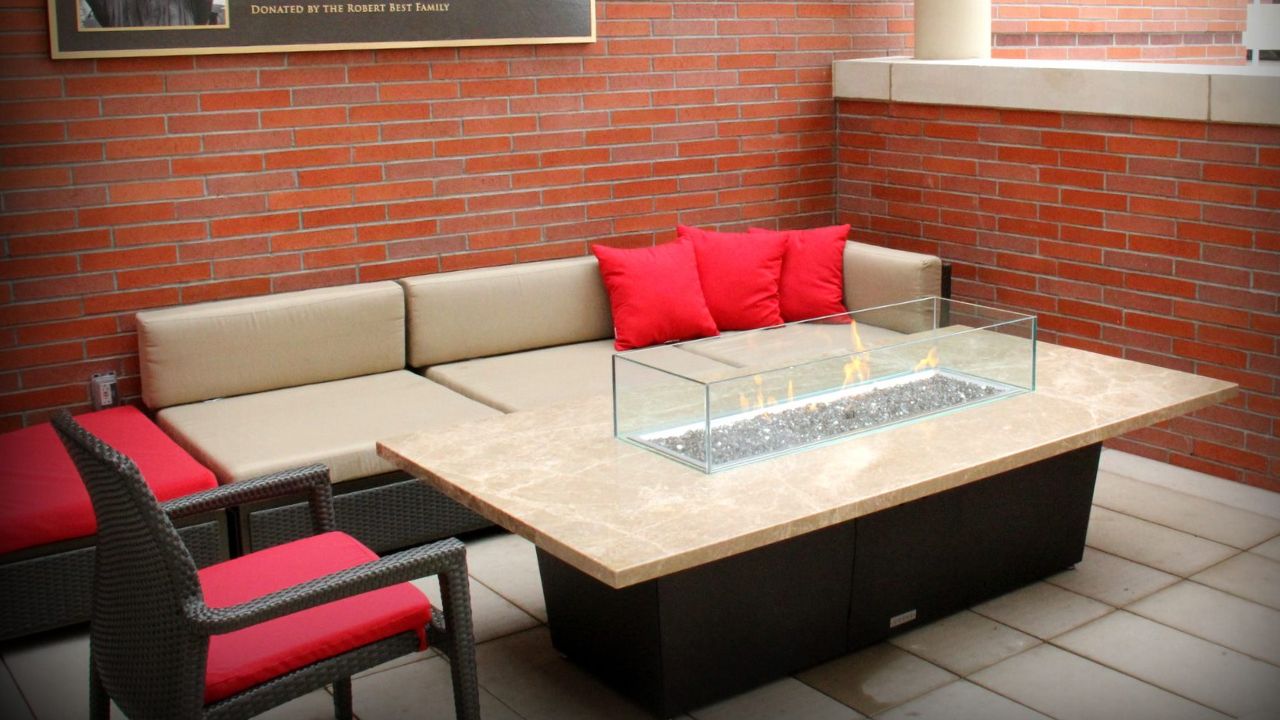
Commercial fire tables are classified as "portable outdoor fireplaces" under NFPA 1 and IFC, requiring ANSI Z21.97/CSA 2.41 certification. Natural gas and propane are the only approved fuels for unsupervised commercial use, both governed by NFPA 54. Natural gas provides continuous supply and lower operating costs, while propane offers placement flexibility. Ethanol and gel fuels present significant refueling fire risks and are not approved.
All commercial fire table safety installations require electronic ignition systems with flame-sensing safety shut-offs. These systems provide fire table flame control and automatic shutdown protection—essential for environments where staff monitoring may be intermittent.
Pergolas: Functionality and Aesthetic Value in Hospitality Design
Fire tables under pergolas increase guest dwell time by 45-60 minutes on average, directly driving revenue. Properties report 15-25% increases in evening lounge sales following installation of prominent fire features. Case studies from Four Seasons and Ritz-Carlton properties demonstrate measurable ROI when fire tables serve as social zone centerpieces.
Success requires treating the fire feature as the anchor of a comprehensive lounge experience, not a standalone element. This approach maximizes both guest satisfaction and revenue generation while addressing overhead clearance fire table requirements and pergola ventilation requirements critical to commercial fire table safety compliance.
What Building Codes, Clearance Standards, and Ventilation Practices Should Property Managers Follow When Placing Fire Tables Under Pergolas or Other Overhead Structures?
Commercial fire table safety requires navigating multiple code layers—vertical clearances, horizontal distances, and ventilation standards. Early AHJ consultation prevents costly redesigns.
Fire Tables Under Pergolas: Understanding Overhead Clearance Requirements
Overhead clearance fire table requirements scale with BTU output. Standard commercial units (≤200,000 BTU) require 84 inches (7 feet) minimum vertical clearance from fire table top to overhead structure. Higher-output units (>200,000 BTU) increase this requirement to 120 inches (10 feet). This clearance prevents heat accumulation and structural damage to pergola materials.
Commercial Fire Table Safety: Compliance with Local Fire Codes
NFPA 1 (Section 10.11.3) and IFC (Section 307.4.3) mandate 15-foot clearance from structures or combustibles for commercial "portable outdoor fireplace" installations. This conflicts with ANSI Z21.97 manufacturer specifications, which often cite 6-48 inch clearances. Authorities Having Jurisdiction (AHJ) almost universally enforce the stricter 15-foot rule. Always plan for 15-foot clearance in initial layouts and confirm requirements with the local fire marshal before finalizing designs.
Jurisdictional variations add complexity. California may increase clearances to 25 feet in high fire-risk areas and requires seismic bracing. Arizona and Florida impose additional wind-resistance and anchoring requirements in coastal or high-wind zones. The 2023-2025 period saw 23 NFPA and IFC code updates, including August 2023's NFPA 54 TIA 54-24-1 and 2024 editions emphasizing semi-enclosed installation scrutiny.
Pergola Ventilation Requirements for Safe Use of Fire Tables
Pergola ventilation requirements mandate at least 50% open overhead area and two open sides for cross-ventilation. This prevents carbon monoxide buildup and heat accumulation—critical safety factors for fire tables under pergolas. Inadequate ventilation creates life-threatening conditions and voids insurance coverage.
Professional Setup Guide for Commercial Properties: Ensuring Proper Installation
Licensed professionals must perform all gas line connections per NFPA 54. Specify only ANSI Z21.97/CSA 2.41 certified fire tables explicitly approved for commercial use. For covered installations, verify the appliance listing for that specific application. Engage fire marshals and building departments during early design phases to identify local amendments before construction begins. This professional setup guide for commercial properties prevents permit delays and expensive modifications.
How Do Environmental Factors Influence the Safety of Fire Tables Under Pergolas?
Environmental conditions directly impact commercial fire table safety and performance. Wind, heat accumulation, and seasonal variables require proactive management strategies.
The Impact of Weather on Fire Table Durability and Performance
Heat accumulation under overhead structures poses the primary environmental risk for fire tables under pergolas. Trapped heat damages pergola materials and creates unsafe conditions for guests. California jurisdictions frequently mandate seismic bracing for outdoor fire features, adding structural requirements beyond standard commercial fire table safety codes. Design specifications must account for local environmental stressors and geological conditions.
Flame Control: Managing Fire Table Flames in Windy Conditions
Wind exposure demands enhanced flame control measures and structural reinforcement for any luxury fire table installed in exposed hospitality environments. Arizona authorities in high-wind zones require additional wind-resistance features for commercial installations. Florida's coastal and high-wind regions impose specific anchoring and resistance requirements that exceed standard specifications. Electronic ignition systems with automatic shut-off provide essential protection when wind conditions compromise flame stability. Properties in exposed locations should install wind barriers or position fire features within naturally sheltered zones to ensure consistent guest experiences regardless of weather conditions.
Adjusting Fire Table Use for Various Seasonal Conditions
Seasonal weather patterns affect pergola ventilation requirements and operational protocols. Summer heat intensifies overhead clearance fire table concerns, requiring enhanced ventilation monitoring. Winter condensation and humidity can impact ignition systems and gas line performance. Establish seasonal inspection schedules and adjust flame heights based on ambient temperature and wind patterns. Staff training should include weather-specific operational guidelines and shutdown procedures for extreme conditions.
What Are the Best Practices for Installing Fire Tables Under Pergolas in Commercial Outdoor Spaces?
Proper installation balances commercial fire table safety compliance with hospitality outdoor design objectives. Following professional setup guides for commercial properties prevents code violations and liability exposure.
Installation Guidelines for Fire Tables and Pergolas in Commercial Settings
Default to 15-foot operational clearance from structures and combustibles in all initial site layouts, regardless of manufacturer specifications. This professional setup guide for commercial properties prevents conflicts when AHJs enforce NFPA 1 standards over manufacturer recommendations. Specify only ANSI Z21.97/CSA 2.41 certified appliances explicitly approved for commercial use. For fire tables under pergolas or covered installations, verify the appliance carries specific listing for overhead applications—generic outdoor ratings are insufficient.
Proper Positioning and Spatial Considerations for Safety and Aesthetics
ADA accessibility standards require 48-inch clear circulation paths around fire features. Maintain 15-foot clearance from structures and combustible materials while ensuring overhead clearance fire table requirements are met. Position the fire table as the centerpiece of a comprehensive social zone—not isolated from seating clusters or service areas. This approach maximizes guest dwell time and revenue while maintaining compliant circulation patterns. Integrate adequate pergola ventilation requirements by ensuring open sightlines and cross-ventilation access.
Materials Selection for Fire Tables and Pergolas to Ensure Durability
Natural gas and propane (LPG) are the only approved fuel sources for commercial fire table safety applications. Both fuels comply with NFPA 54 and ANSI Z21.97/CSA 2.41 listing standards, providing reliable fire table flame control with electronic ignition systems. Natural gas suits fixed installations with utility access, while propane offers placement flexibility for remote locations. Ethanol and gel fuels present significant refueling fire risks and lack approval for unsupervised commercial environments—exclude these options from hospitality outdoor design specifications.
What Are the Fire Safety Features and Maintenance Requirements for Fire Tables in Commercial Outdoor Spaces?
Active safety systems and preventive maintenance protocols are non-negotiable for commercial fire table safety. Consistent monitoring prevents incidents and maintains insurance coverage.
Fire Table Flame Control: Best Practices for Regulating Flames
Electronic ignition systems with flame-sensing safety shut-offs are required for all commercial installations. These systems automatically detect flame loss and shut off gas supply, preventing dangerous gas accumulation under pergolas or in enclosed spaces. Establish and document emergency shut-off procedures for all staff members with lounge access. Fire table flame control includes manual adjustment protocols for varying wind conditions and guest proximity, train staff to reduce flame height when wind speeds increase or guests move closer to the feature.
Maintenance and Inspection Routines to Prevent Fire Hazards
Implement routine inspection schedules covering gas connections, ignition systems, burner ports, and structural integrity. Monthly inspections should verify proper flame color (blue, not yellow or orange), check for gas leaks using approved detection methods, and confirm pergola ventilation requirements remain unobstructed by debris or seasonal growth. Staff training on operational safety protocols must include visual inspection checklists and documentation procedures. Annual professional inspections by licensed technicians ensure NFPA 54 compliance and identify wear before failures occur.
Emergency Preparedness: Ensuring Easy Access to Fire Extinguishers and Safety Equipment
Position Class B fire extinguishers within 30 feet of fire tables under pergolas and train all staff on proper use. Emergency protocols must address gas shut-off procedures, guest evacuation routes, and incident reporting requirements. Include guest behavior management in training—staff should monitor for unsafe practices like placing combustibles near flames or tampering with controls. Document all training sessions and maintain current emergency contact lists for gas utility providers and fire marshal offices. Regular drills ensure staff can execute emergency procedures confidently under pressure.
Why Are Fire Tables Under Pergolas a Popular Choice for Hospitality and Commercial Outdoor Spaces?
Fire tables under pergolas drive measurable revenue increases and brand differentiation. When commercial fire table safety requirements are met, these features become high-performing assets in hospitality outdoor design.
Enhancing the Guest Experience with Fire Features in Outdoor Lounges and Dining Areas
Fire tables increase guest dwell time by 45-60 minutes on average, directly translating to higher food and beverage revenue. Properties report 15-25% increases in evening lounge sales following installation of prominent fire features. Extended stays encourage additional drink orders, appetizer purchases, and premium menu selections. The ambient appeal keeps guests engaged during shoulder seasons when outdoor spaces might otherwise remain underutilized. Properly designed installations meeting overhead clearance fire table and pergola ventilation requirements create comfortable, safe environments that encourage repeat visits.
The Role of Fire Tables in Creating Instagram-Worthy Moments for Guests
Fire features generate organic social media marketing through guest-created content. Dramatic flame effects against twilight skies, reflected firelight on glassware, and atmospheric lounge settings drive Instagram and TikTok posts that amplify brand visibility. These authentic endorsements reach broader audiences than traditional advertising while building aspirational brand associations. Properties investing in professional setup guides for commercial properties that prioritize aesthetics alongside safety create naturally photogenic spaces. Strategic positioning ensures fire tables under pergolas serve as visual anchors in guest photography while maintaining fire table flame control and safety compliance.
Commercial Design Trends: Fire Tables as a Signature Element in Outdoor Spaces
Luxury properties including Four Seasons and Ritz-Carlton demonstrate that fire features function as signature design elements driving brand identity. Success requires treating the fire table as the centerpiece of a comprehensive social zone with integrated seating, lighting, and service access—not isolated amenities. This holistic approach to hospitality outdoor design maximizes both aesthetic impact and operational efficiency. When commercial fire table safety standards are embedded in the design process from inception, fire features become profitable differentiators that justify premium positioning and rates.
Ensuring Safety, Functionality, and Aesthetic Appeal for Commercial Outdoor Spaces with Fire Tables
Fire tables under pergolas deliver measurable ROI when commercial fire table safety requirements guide every design decision. Compliance protects guests, staff, and property investments while maximizing revenue potential.
Key Takeaways on Fire Table and Pergola Safety for Commercial Properties
Fire pit incidents resulted in 6,551 injuries in 2020 according to the Consumer Product Safety Commission—a 59% increase from the 2011-2019 average. Severe liquid-fuel incidents caused 40%+ body coverage burns. These statistics underscore why commercial installations must exceed residential standards and why ethanol and gel fuels remain unsuitable for hospitality outdoor design applications.
Always plan for 15-foot operational clearance in initial designs, regardless of manufacturer specifications. Engage the Authority Having Jurisdiction early to identify local amendments affecting overhead clearance fire table requirements and pergola ventilation requirements. Specify only ANSI Z21.97/CSA 2.41 certified appliances with electronic ignition and flame-sensing shut-offs for proper fire table flame control. Require professional installation per NFPA 54 by licensed technicians and implement comprehensive safety protocols including staff training, routine inspections, and emergency procedures. This professional setup guide for commercial properties prevents incidents while creating revenue-generating amenities that enhance guest experience and brand differentiation. Properties that prioritize commercial fire table safety from design through operation protect their investments while delivering the atmospheric appeal that drives extended dwell time and increased sales.
Ready to Design a Compliant, Revenue-Generating Fire Feature for Your Property?
Cooke's design experts specialize in commercial fire table installations that balance commercial fire table safety compliance with guest experience optimization. Our team navigates complex overhead clearance fire table requirements, pergola ventilation requirements, and jurisdictional code variations to deliver turnkey solutions.
We coordinate with local Authorities Having Jurisdiction, specify ANSI Z21.97/CSA 2.41 certified appliances, and ensure professional setup guides for commercial properties are followed at every stage. From initial concept through final inspection, we create fire tables under pergolas that drive measurable revenue increases while protecting your guests and investment.
Cooke's design experts help hospitality operators specify the perfect custom fire pit for their unique environment and regulatory landscape. Contact us today to transform your outdoor spaces into high-performing amenity zones that exceed fire codes and surpass guest expectations.