Integrating Fire Tables with Landscape Design: Expert Tips for Commercial Properties
Key Takeaways
- Proven ROI: Fire tables deliver 69% hotel RevPAU gains, 30% restaurant sales boosts, and 5-8% multifamily rent premiums with 9-18 month payback periods across property types.
- Code Compliance First: Maintain 5-foot pathway clearances, 25 feet from wood structures, 48" x 48" ADA clear space, and specify UL/CSA certified appliances with wind shut-offs and flame sensing.
- Match Style to Demographics: Modern linear forms attract Millennials/Gen Z; traditional pedestal designs appeal to Baby Boomers; transitional styles offer broad appeal for family-oriented properties.
- Climate-Appropriate Materials: Powder-coated metal and Corten excel in coastal environments; textured concrete suits hot/dry climates; proper mix design prevents freeze-thaw damage in cold regions.
- Strategic Placement Maximizes Value: Position fire tables to frame views, serve as focal point anchors, and optimize microclimates—creating Instagram-worthy spaces that drive organic marketing and repeat visits.
Modern fire tables have evolved from decorative amenities to revenue-driving infrastructure in commercial outdoor design. Hotels, restaurants, and multifamily properties deploying strategic hospitality fire feature layout see measurable returns—69% RevPAU gains, 30% sales boosts, 5-8% rent premiums—with 9-18 month payback periods.
This guide covers fire tables landscape design integration: aligning fire features with plantings, pathways, and luxury outdoor furniture; optimizing fire table seating and flow for guest demographics; selecting climate-appropriate materials and finishes; and implementing commercial outdoor design tips that transform generic patios into year-round destination spaces.
Learn how commercial fire tables for restaurants, hotels, and residential properties create Instagram-worthy moments while maximizing ROI through extended seasonal use and enhanced guest experience.
What Are Fire Tables and Why Are They Essential in Commercial Landscape Design?
Fire tables have become cornerstone elements in hospitality fire feature layout, transforming commercial outdoor spaces into year-round revenue generators. These integrated furnishings merge function with ambiance, delivering measurable returns across hotels, restaurants, and multifamily properties.
What is a Fire Table in Landscape Design?
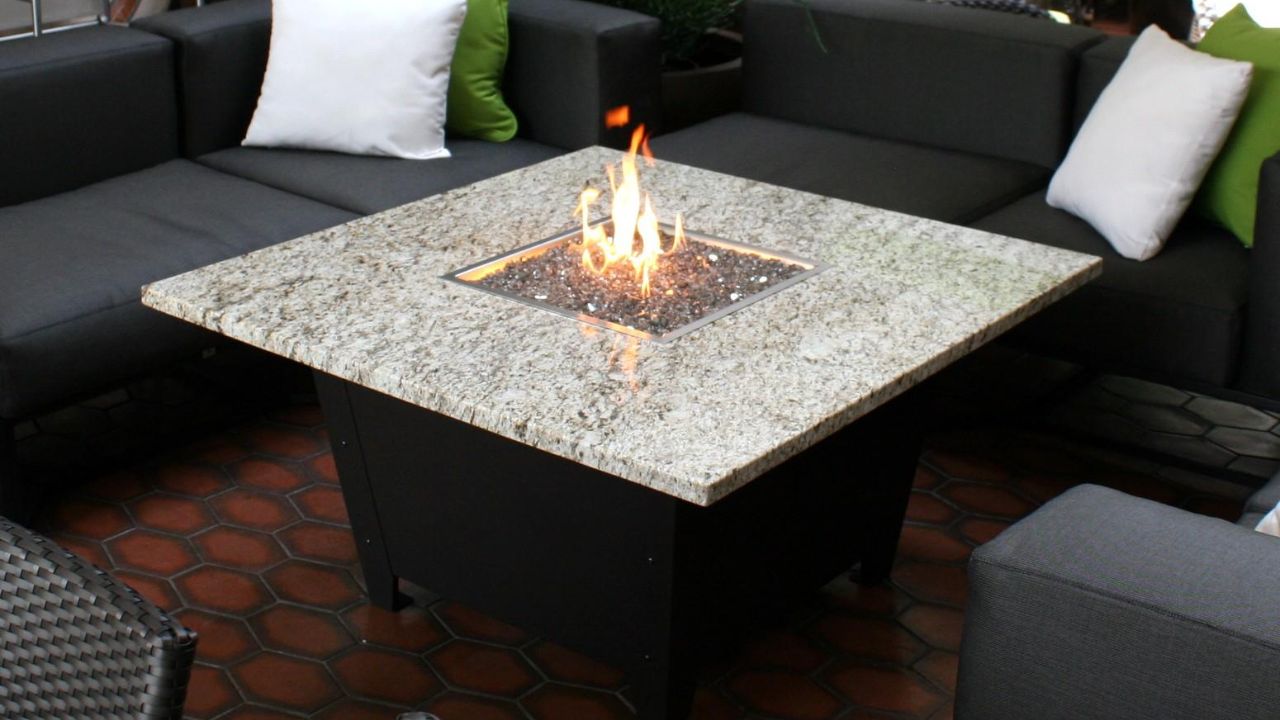
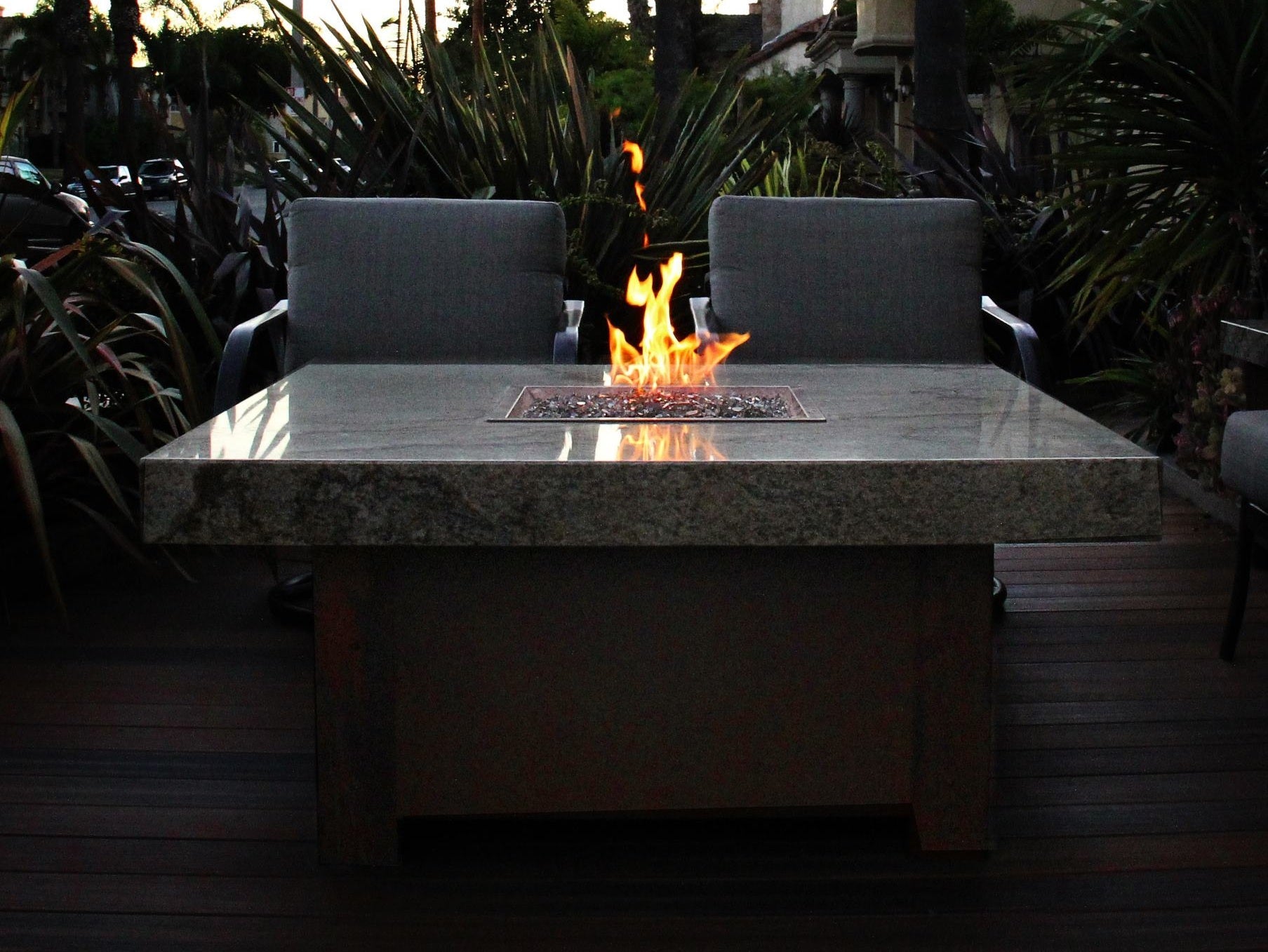
Fire tables are outdoor furniture pieces combining a functional table surface with an integrated gas-powered fire feature. Unlike standalone fire pits, they serve dual purposes—providing warmth and creating usable dining or lounging surfaces in commercial outdoor design.
Key specifications for fire tables landscape design include form factors (linear, round, low-profile slabs, pedestals, monolithic designs), minimum 50,000 BTU output for functional heating, and burner styles ranging from linear flames for modern aesthetics to round burners for traditional patterns. Media options—glass beads, fire glass, lava rock, ceramic logs, or natural stone—allow customization to match luxury outdoor furniture palettes and brand positioning.
How Fire Tables Enhance the Functionality of Commercial Outdoor Spaces
Commercial fire tables for restaurants deliver 30% boosts in guest check sales, while hotels see up to 69% RevPAU gains and 42% ADR lifts. Multifamily properties command 5-8% rent premiums within 12-24 months of installation, contributing to 78% overall ROI on amenity investments.
The global market reflects this value—projected growth from USD 1.8 billion (2023) to USD 3.6 billion (2032) underscores rising demand. Operationally, fire tables extend outdoor space usability through shoulder seasons, increase guest dwell time, and enhance F&B operations. Proper fire table seating and flow planning maximizes these returns, creating destination spaces that drive repeat visits and positive reviews.
How Can Landscape Architects and Property Managers Integrate Fire Tables into Planting, Pathways, and Seating Layouts to Create Cohesive Commercial Outdoor Environments?
Successful fire tables landscape design requires balancing safety codes, guest flow, and aesthetic cohesion. Strategic integration of fire features with plantings, hardscape, and luxury outdoor furniture creates destination spaces that enhance property value while meeting regulatory requirements.
Aligning Fire Tables with Landscape Features
Code-compliant fire table seating and flow starts with clearances: 5-foot minimum pathways in high-traffic areas, 25 feet from wood/vinyl structures, and 10 feet from masonry. These specifications protect guests while allowing comfortable circulation in restaurant patios and hotel pool decks.
Fire-safe planting palettes use defensible space principles—low-flammability species positioned beyond required setbacks. Hardscape coordination integrates fire tables with pavers, decking, concrete, and natural stone to create visual continuity. Commercial outdoor design tips emphasize material matching: charcoal concrete fire tables pair naturally with bluestone or slate pavers, while Corten steel finishes complement decomposed granite or warm-toned flagstone.
Designing Seating Around Fire Tables for Flow and Comfort
ADA compliance mandates 48" x 48" clear ground space on all usable fire table sides. Beyond regulatory requirements, circulation planning maintains unobstructed pathways for staff and guest movement—critical for commercial fire tables for restaurants where servers navigate between dining zones.
Seating zone configuration depends on property type and guest demographics. Intimate groupings (4-6 guests) suit boutique hotels and upscale dining patios, while large gathering zones (8-12 guests) serve resort pool decks and multifamily courtyards. Hospitality fire feature layout should balance social interaction with traffic flow, preventing bottlenecks during peak occupancy.
Creating a Unified Outdoor Experience with Luxury Outdoor Furniture and Fire Features
The 2023-2025 trend toward mixed-material lounges integrates fire tables with seating walls, planters, and outdoor kitchens. This holistic approach creates multi-functional amenity spaces rather than isolated fire features.
Furniture coordination matches fire table finishes—charcoal, bronze, or black—with luxury outdoor furniture frames and cushion palettes. Integrated amenity spaces position fire tables as anchor elements surrounded by complementary features: ambient lighting, USB charging stations, and F&B service infrastructure. This layered design maximizes dwell time and revenue per square foot while creating Instagram-worthy moments that drive organic marketing.
Commercial Outdoor Design Tips for Fire Tables in Hospitality Settings
Matching fire table style to property type and guest demographics maximizes ROI and guest satisfaction. Strategic placement and form selection transform generic outdoor spaces into branded destinations that resonate with target audiences.
Maximizing Guest Experience with Fire Table Layouts in Restaurants and Hotels
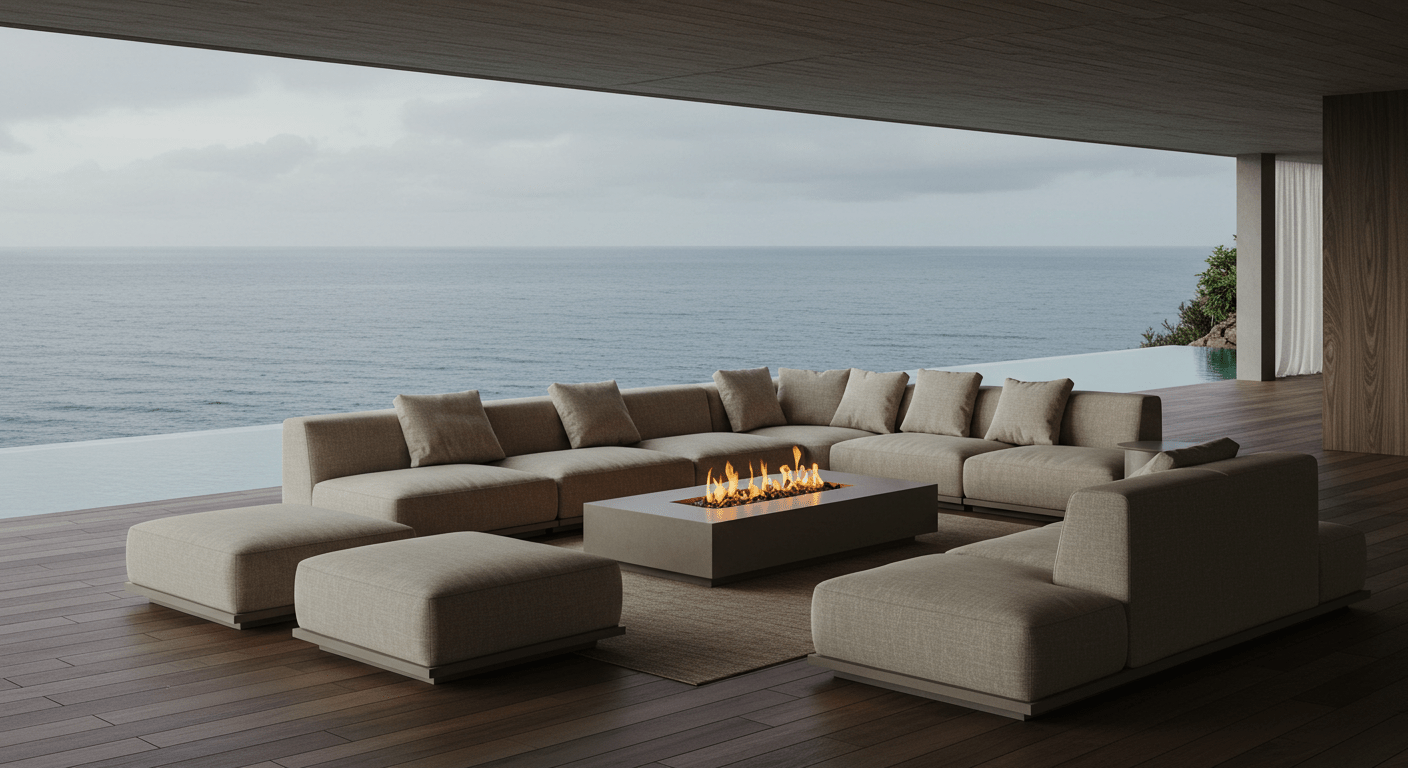
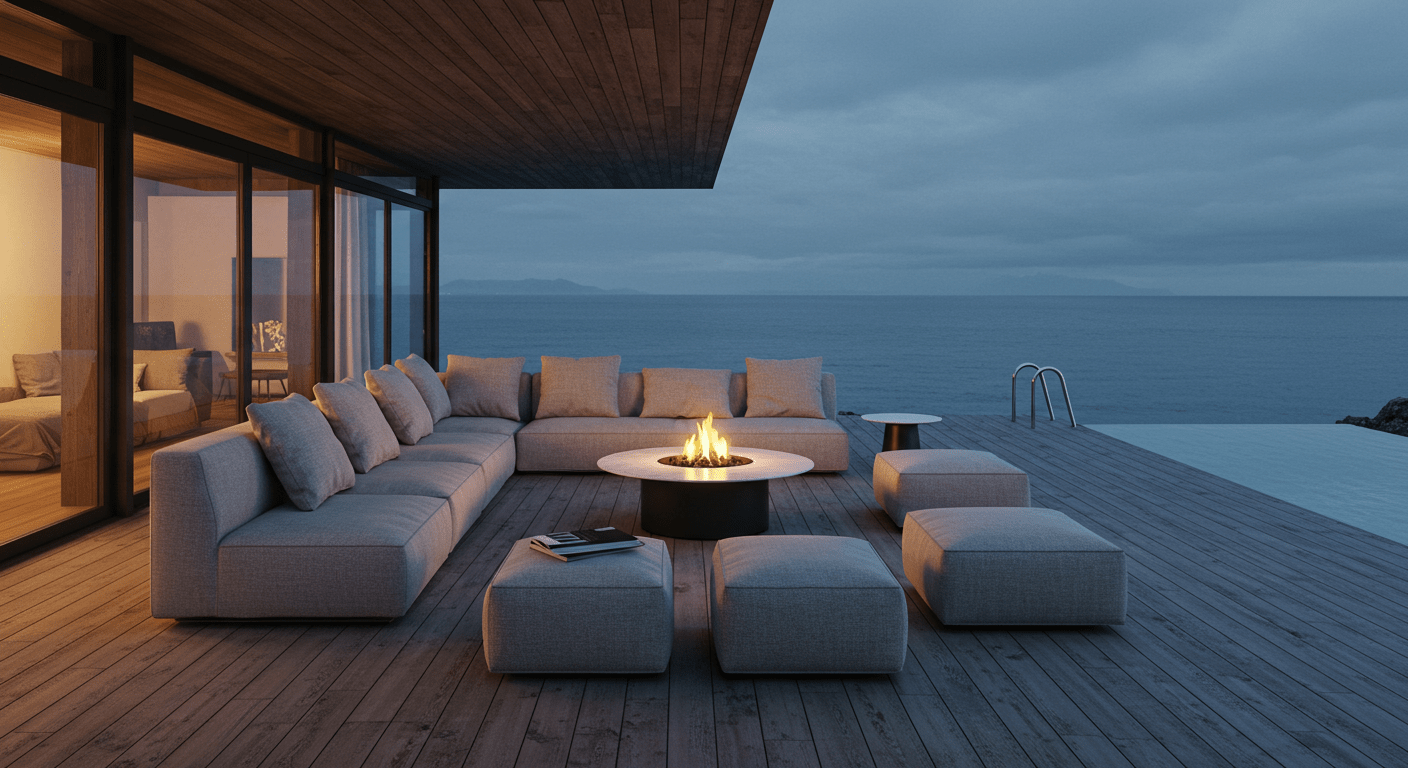
Property-specific hospitality fire feature layout aligns aesthetics with guest expectations. Urban rooftop hotels and restaurants deploy modern linear or monolithic forms in charcoal, black, or Corten finishes to attract Millennials, Gen Z, and urban professionals seeking Instagram-worthy spaces. Coastal resorts favor modern round or transitional forms with limestone, sand, or aggregate finishes—appealing to families, couples, and wellness travelers. Mountain lodges use traditional pedestal or stone combo forms with natural stone or tile cladding for nature enthusiasts and traditionalists. Luxury boutique hotels specify modern monolithic or linear slabs in white, black, or charcoal for high-net-worth design enthusiasts.
Guest demographics drive style decisions in fire tables landscape design. Modern aesthetics resonate with younger demographics (Millennials/Gen Z), while traditional styles appeal to Baby Boomers and heritage-focused travelers. Transitional designs offer broad appeal across age groups—ideal for family-oriented resorts and suburban multifamily properties seeking maximum market reach.
Strategic Placement of Commercial Fire Tables for Optimal Visibility
View orientation positions commercial fire tables for restaurants and hotels to frame ocean, mountain, or city skyline vistas. This placement enhances guest experience while creating photo opportunities that generate organic social media marketing—critical for millennial and Gen Z demographics.
Focal point creation establishes fire tables as primary gathering anchors in hotel lobbies, restaurant patios, and multifamily courtyards. Microclimate optimization considers wind patterns, sun exposure, and natural airflow—positioning fire features where flames remain visible and heat distribution maximizes comfort. Commercial outdoor design tips recommend protected alcoves for windy rooftops and open placements for naturally sheltered courtyards, balancing ambiance with operational reliability.
Fire Table Materials and Design Considerations for Commercial Properties
Material selection impacts maintenance costs, longevity, and aesthetic alignment with brand positioning. Climate-appropriate finishes and contemporary design trends ensure commercial fire tables for restaurants and hotels deliver sustained performance and visual impact.
Selecting Durable Materials for Fire Tables
Powder-coated metal offers very high durability, very low UV degradation, and low maintenance across all climates—optimal for high-traffic hospitality fire feature layout. Weathering steel (Corten) provides very high durability with intentional patina development and very low maintenance, though runoff can stain adjacent surfaces. Aggregate concrete delivers very high durability, very low UV degradation, and low to medium maintenance for all climates. Smooth cast concrete provides high durability with moderate staining risk requiring annual sealing, suitable for all climates with proper mix design. Natural stone veneer offers high durability but demands high maintenance (sealing, grout upkeep) and performs best in cold to moderate climates.
Climate suitability guides material selection. Hot/dry climates favor textured concrete and limestone/sand finishes (5/5 suitability). Coastal/salt air environments perform best with powder-coated metal, Corten steel, and aggregate concrete (4-5/5 suitability). Cold/freeze-thaw regions require proper concrete mix design—tile/stone cladding can crack without appropriate installation and drainage provisions.
Customizing Fire Tables for Unique Commercial Settings
The 2023-2025 trend toward minimalist slabs features ultra-low-profile, monolithic concrete designs with concealed burners and integrated controls—peaking in urban rooftops and luxury boutique hotels. Sculptural concrete uses organic, asymmetric forms with premium GFRC and custom molds, positioning fire tables as art pieces in contemporary resorts and high-end hospitality. Geometric and unconventional shapes shift from circular to rectangular, hexagonal, and custom forms with modular configurations and multi-burner setups for urban rooftops and contemporary restaurants.
Custom form factors in GFRC, metal, and composite materials allow bespoke shapes tailored to brand identity and space requirements. Commercial outdoor design tips emphasize coordination between fire tables landscape design and luxury outdoor furniture—matching finishes, profiles, and material palettes creates cohesive environments that elevate perceived value and justify premium pricing in competitive markets.
How Fire Tables Add Value to Commercial Properties
Fire tables deliver measurable financial returns while creating shareable moments that drive organic marketing. Strategic design choices align aesthetics with brand positioning and target demographics, maximizing both immediate guest impact and long-term property value.
Building Instagrammable Moments with Fire Tables
The 2023-2025 wellness integration trend incorporates fire features into broader hospitality programs—circular/organic forms, natural stone, warm metals (bronze, copper), and ambient flame control create destination spaces in luxury resorts. Sleek aesthetics, sculptural profiles, and Instagram-worthy focal points drive social media engagement and organic marketing, amplifying reach beyond paid advertising.
Brand positioning guides fire tables landscape design. Ultra-modern minimalist forms align with tech-forward brands targeting urban professionals. Heritage/classic luxury aesthetics with natural stone and traditional profiles appeal to nature-inspired brands. Approachable luxury—transitional designs with warm finishes and versatile forms—suits family-friendly properties seeking broad demographic appeal. Commercial outdoor design tips emphasize matching fire table style to existing luxury outdoor furniture and architectural vernacular for cohesive brand expression.
Enhancing Year-Round Outdoor Functionality with Fire Tables
Payback periods average 9-18 months across property types: commercial fire tables for restaurants return investment in 9-12 months, hotels in 12-18 months, multifamily in 15-24 months. These timelines reflect 30% restaurant sales boosts, 69% hotel RevPAU gains, and 5-8% multifamily rent premiums.
Seasonal extension maximizes revenue per square foot—fire tables enable outdoor space use during shoulder seasons and winter months when unheated spaces remain vacant. Properties with well-designed hospitality fire feature layout and fire table seating and flow command competitive advantages: rent premiums in multifamily markets and higher ADR in hotel segments. This sustained performance justifies capital investment while creating differentiated guest experiences that drive repeat bookings and positive reviews.
Best Practices for Installing and Maintaining Fire Tables in Commercial Settings
Proper installation and proactive maintenance protect investment returns while ensuring guest safety and regulatory compliance. Code-compliant setup and finish-appropriate care extend lifespan and preserve aesthetic appeal across diverse climates and use intensities.
Installation Tips for Safe and Efficient Fire Table Placement
UL or CSA certified appliances are required for commercial applications—non-certified units void insurance coverage and create liability exposure. Advanced safety features now standard in 2023-2025 hospitality fire feature layout include auto shut-offs when wind exceeds 25 mph, flame sensing technology, emergency stop controls, programmable timers, and remote control capability.
Professional gas line installation ensures compliance with local codes for natural gas or propane connections. Commercial outdoor design tips emphasize coordination between fire table placement, utility routing, and fire table seating and flow—concealed lines prevent tripping hazards while maintaining aesthetic continuity with luxury outdoor furniture and hardscape materials.
Maintenance Guidelines to Extend the Lifespan of Fire Tables
Finish-specific protocols optimize longevity. Charcoal gray smooth concrete requires annual sealing with good staining resistance and excellent UV resistance. Limestone/sand textured concrete needs bi-annual sealing with moderate staining resistance—best in warm/dry climates. White/off-white smooth concrete demands frequent cleaning (low staining resistance shows dirt easily), annual sealing, and dry climate placement despite very high perceived luxury. Corten/rust weathering steel requires minimal maintenance—patina is intentional, no sealing needed, though runoff can stain adjacent surfaces (drainage planning recommended, though some designers embrace staining as aesthetic). Black smooth/powder-coated finishes offer low maintenance with excellent staining resistance and very high perceived luxury. Aggregate/exposed stone concrete needs low to medium maintenance with occasional power washing, excellent durability and UV resistance. Tile/stone cladding requires medium to high maintenance—grout needs regular upkeep, and tiles can crack in freeze-thaw climates.
Sources vary on concrete sealing frequency (annual vs. bi-annual)—best practice defers to manufacturer recommendations and adjusts based on local climate intensity and use levels. Commercial fire tables for restaurants with heavy daily use may require more frequent maintenance than hotel pool deck installations with seasonal peaks.
Why Fire Tables Are a Must-Have in Commercial Landscape Design
Fire tables represent high-ROI infrastructure investments that elevate guest experience while generating measurable revenue gains. Strategic integration of fire features with landscape design, luxury outdoor furniture, and operational programming creates competitive advantages across hospitality and multifamily markets.
The Lasting Impact of Fire Tables on Hospitality and Commercial Outdoor Spaces
Fire tables deliver proven financial returns—69% RevPAU gains in hotels, 30% restaurant sales boosts, and 5-8% multifamily rent premiums with 9-18 month payback periods. These metrics reflect guest preference for year-round outdoor amenities that extend shoulder season use and maximize revenue per square foot.
Modern design trends—minimalist slabs, sculptural concrete, mixed-material integration—align commercial fire tables for restaurants and hotels with contemporary hospitality and wellness programming. Proper material selection, climate-appropriate finishes, and strategic hospitality fire feature layout maximize durability and guest experience. Fire table seating and flow planning, coordinated with luxury outdoor furniture palettes and hardscape materials, transforms generic outdoor spaces into destination environments. Commercial outdoor design tips emphasize matching fire tables landscape design to property type, guest demographics, and brand positioning—creating memorable, Instagram-worthy experiences that drive repeat visits, positive reviews, and sustained competitive advantage in crowded markets.
Ready to Transform Your Commercial Outdoor Space with Fire Tables?
Strategic fire tables landscape design requires expertise in material selection, code compliance, climate considerations, and guest flow optimization. Cooke's team specializes in commercial outdoor design solutions for hotels, restaurants, and multifamily properties—delivering hospitality fire feature layout that maximizes ROI while creating Instagram-worthy destination spaces.
From luxury outdoor furniture coordination to fire table seating and flow planning, our experts guide property managers and landscape architects through specification, installation, and maintenance protocols. Whether you're designing an urban rooftop, coastal resort, or mountain lodge, Cooke provides commercial fire tables for restaurants and hospitality settings that align with your brand positioning and target demographics.
Cooke's hospitality specialists are ready to discuss your project requirements and demonstrate how premium fire tables outdoors generate 9 to 18 month payback periods while building sustained competitive advantages that distinguish your property in crowded markets.