
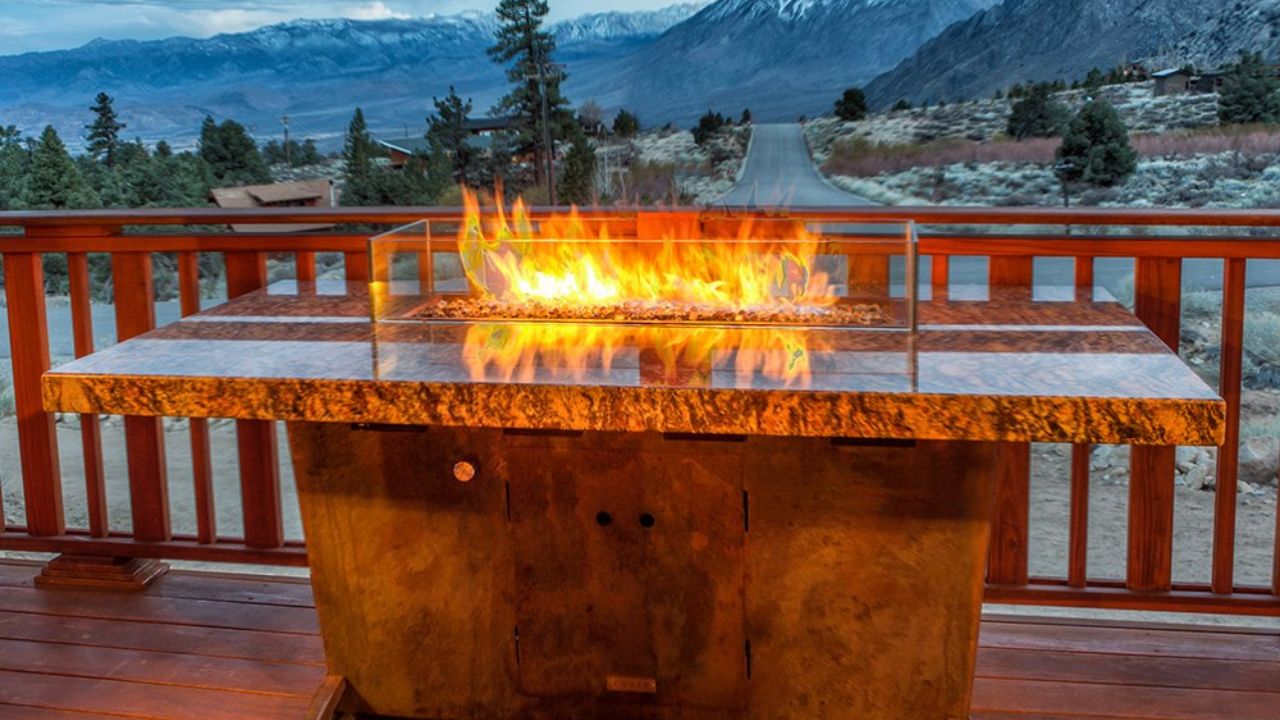
How Long Do Commercial Fire Tables Last? Durability and Longevity for Property Managers
Key Takeaways
- Material Selection Determines Lifespan: Sintered stone (Dekton/Neolith) lasts 25-50+ years, natural granite 20-30 years, and GFRC 50+ years structurally—while marble fails at 5-10 years and standard engineered quartz suffers catastrophic UV degradation outdoors.
- 316 Stainless Steel Burners Are Essential: 316 SS burners last 10-25 years (2.5x longer than 304 SS) and are mandatory for coastal properties. The 40-60% upfront premium pays for itself through eliminated early replacement in salt air environments.
- Component Refurbishment Beats Replacement: Burner replacement costs $800-1,500 versus $12,000-15,000 for full unit replacement—6-10x more economical. Property managers maximize ROI through scheduled component service rather than reactive full replacements.
- Natural Granite Offers Lowest TCO: Natural granite with 316 SS burners and manual ignition delivers the lowest 20-year Total Cost of Ownership at $19,200 ($960/year) compared to $27,750 ($1,388/year) for premium Dekton configurations.
- Electronic Components Limit Practical Lifespan: Standard electronic ignition fails at 3-5 years despite 50+ year structural durability. Upgrade to All-Weather Electronic Ignition Systems (7-15 year lifespan) or specify manual ignition to maximize commercial fire table longevity.
Luxury fire tables for resorts represent significant capital investments where lifespan varies dramatically from 5 to 50+ years depending on material selection and maintenance protocols. Property managers and procurement teams face critical specification decisions that determine decades of performance and total ownership costs. Understanding what separates short-lived installations from multi-generational assets comes down to three controllable factors: surface material grade, burner system corrosion resistance, and disciplined component replacement schedules.
Natural granite delivers 20-30 year commercial fire table lifespan at $960 annual cost, while premium sintered stone extends service life to 50+ years. Understanding fire table maintenance requirements and environmental impacts maximizes outdoor furniture ROI while eliminating premature replacement expenses. ;
This guide provides expert care tips for fire tables and quantifiable performance benchmarks that protect hospitality investments through proven material specifications and proactive service planning.
What Factors Most Affect the Lifespan of Commercial Fire Tables, and How Can Property Managers Extend Durability and Protect Their Investment?
Three factors determine commercial fire table lifespan: material selection, environmental exposure, and maintenance frequency. Property managers who understand these variables maximize outdoor furniture ROI and avoid premature replacement costs.
Key Materials That Impact Commercial Fire Table Lifespan
Surface material choice directly affects fire table durability and replacement cycles. Sintered stone surfaces like Dekton and Neolith deliver 25-50+ year lifespans with minimal maintenance at $95-200/sq ft. Natural granite provides excellent value at 20-30 years for $45-160/sq ft. GFRC (Glass Fiber Reinforced Concrete) offers 50+ year structural life at $70-250/sq ft installed. Porcelain slabs score perfect 10/10 for UV stability and stain resistance with superior 7/10 repairability. Quartzite balances performance across all durability metrics.
Avoid marble—its 5-10 year lifespan and poor stain resistance (3/10) make it unsuitable for commercial use. Standard engineered quartz fails catastrophically outdoors (1/5 rating all climates) due to UV degradation. New UV-stable outdoor quartz formulations extend lifespan to 15-20 years. Burner material matters equally: 316 stainless steel lasts 10-25 years (2.5x longer than 304 SS), while all-brass construction delivers 15-25 years in non-coastal environments. 304 stainless steel burners provide adequate 5-10 year service in protected inland locations.
Environmental and Climatic Factors That Affect Durability
Climate exposure determines which materials deliver long-lasting fire tables. Sintered stones (Dekton, Neolith) and porcelain slabs score perfect 5/5 across all climate conditions—coastal humidity, freeze-thaw cycles, and UV exposure. GFRC and natural granite excel in freeze-thaw environments with 5/5 ratings. Dekton passes all environmental tests: thermal shock, frost resistance, and Class A chemical resistance to cleaning products and pool chemicals.
Coastal properties require 316 stainless steel burners—mandatory for salt air environments. 304 SS burners corrode rapidly in coastal conditions, reducing lifespan to 5-8 years. Marble scores 2/5 (Poor) across all climates due to acid etching, thermal shock, and staining. Standard engineered quartz rates 1/5 (Not Suitable) for outdoor use regardless of location. Climate-appropriate material selection protects your investment and extends the commercial fire table lifespan by decades.
Frequency of Use and Maintenance: Key to Prolonging Lifespan
Regular fire table maintenance delivers 6-10x cost savings compared to replacement. Burner refurbishment costs $800-1,500 versus $12,000-15,000 for full unit replacement. These expert care tips for fire tables extend service life: seal natural stone surfaces every 15-20 years, reseal unsealed GFRC at 10-12 year intervals, and specify UV-stable GFRC formulations that reduce finish fading by 60-80%.
High-traffic commercial environments accelerate wear, making maintenance schedules critical. Sealed surfaces require minimal intervention. Unsealed materials demand proactive care. Property managers who implement structured maintenance programs maximize fire table durability and protect their outdoor furniture ROI through predictable, manageable service costs rather than unexpected capital replacements.
How Can Property Managers Ensure Longevity and Maximize ROI from Fire Tables?
Strategic fire table maintenance and component-level planning protect capital investments. Property managers who understand failure timelines and specify field-serviceable components reduce replacement costs by 40% while maximizing commercial fire table lifespan.
Effective Fire Table Maintenance and Expert Care Tips
Component failure follows predictable patterns. Electronic ignition systems fail first at 3-5 years—the weakest link in otherwise durable installations. Upgrade to All-Weather Electronic Ignition Systems (AWEIS) with patented water mitigation technology for 7-15 year lifespan. Field-serviceable ignition modules reduce replacement costs by 40% and simplify service intervals. Gas regulators require replacement at 10-12 year intervals regardless of material quality.
Priority maintenance schedule for long-lasting fire tables: inspect electronic ignition annually (replace at 3-5 years), monitor 304 SS burners in coastal environments for corrosion (5-8 year replacement), and plan mid-life gas regulator replacement (10-12 years). These expert care tips for fire tables prevent cascading failures and extend outdoor furniture ROI through proactive component management rather than reactive emergency repairs.
Selecting Durable Fire Tables for Long-Term Use
Material innovations (2023-2025) deliver superior fire table durability. All-Weather Electronic Ignition Systems extend electronic component life from 3-7 years to 7-15 years through water mitigation. UV-stable GFRC formulations reduce finish fading by 60-80%. Breakthrough sealed engineered stone (UV-stable quartz) now performs reliably outdoors. High-output corrosion-resistant burners reach 400,000 BTU in 316 SS for large commercial installations.
Smart control systems offer IoT-enabled remote monitoring but introduce reliability concerns—electronic components still fail at 3-7 years. Specify field-serviceable modules to minimize service disruption. Balance innovation with proven durability: new UV-stable materials extend commercial fire table lifespan while maintaining serviceability that protects long-term value.
The Role of Regular Inspections and Repairs
Scheduled inspections prevent expensive failures. Electronic ignition systems add $3,000-5,000 to 20-year Total Cost of Ownership versus manual ignition—factor this into fire table maintenance budgets. Long-term durability benchmarks guide inspection priorities: 316 SS burners (10-15 years), sealed natural stone (15-20 years), sintered stone (20-35 years), and structural frames (30-50+ years).
Critical planning insight: electronic components with 1-year commercial warranties limit practical lifespan to 15-20 years despite 50+ year structural durability potential. Property managers maximize outdoor furniture ROI by scheduling component replacements before failure rather than waiting for breakdowns during peak guest seasons. Regular inspections identify wear patterns early, allowing proactive repairs that cost far less than emergency service calls.
What Are the Benefits of Investing in High-Quality Fire Tables for Commercial Properties?
Quality fire tables deliver measurable financial returns and elevated guest experiences. Total Cost of Ownership analysis reveals that premium materials and components reduce 20-year operational costs while maintaining consistent property aesthetics.
Cost Savings and Return on Investment (ROI)
Natural granite with 316 SS burners and manual ignition delivers the lowest 20-year TCO at $19,200 ($960/year). Marble with 304 SS and standard electronic ignition costs $20,000+ and requires mid-life replacement—poor outdoor furniture ROI. Premium Dekton with 316 SS and All-Weather Electronic Ignition Systems totals $27,750 over 20 years ($1,388/year) but eliminates replacement cycles.
The 316 stainless steel burner premium, typically 40 to 60% higher upfront, pays for itself through a 2.5x lifespan increase. Expect 10 to 25 years of reliable performance versus just 5 to 10 years from standard 304 stainless steel components. For any outdoor modern fire pit installation, GFRC surfaces paired with 316 SS burner systems deliver the optimal durability-to-cost balance. Property managers maximize ROI by calculating total ownership costs rather than fixating on initial purchase price. Long-lasting fire features reduce capital replacement frequency while lowering maintenance expenses across decades of hospitality service.
Enhancing Guest Experience and Property Value
Fire table durability directly impacts guest satisfaction. High-output burners up to 400,000 BTU create consistent ambiance in large commercial installations without visible maintenance disruptions. Dekton's Class 5 stain resistance for all common agents (food, beverages, pool chemicals) maintains pristine appearance in high-traffic areas. Both Dekton and porcelain slabs score perfect 10/10 for UV stability and stain resistance—surfaces that look new for decades.
Commercial warranty periods of 1-2 years drastically understate actual lifespan expectations, creating procurement confusion. Specify materials proven to exceed 15-20 years in hospitality environments. Long-lasting fire tables with minimal maintenance requirements elevate property positioning, reduce operational visibility of repairs, and deliver uninterrupted guest experiences that justify premium room rates and repeat bookings.
How Does Fire Table Durability Compare Across Different Environments?
Environmental conditions and usage intensity determine fire table durability more than material quality alone. Coastal properties, inland locations, and commercial versus residential settings demand different specifications for optimal commercial fire table lifespan.
Coastal Vs. Inland Use: Durability Considerations
Coastal and high-humidity environments require 316 stainless steel burners—no exceptions. Material grade is the single most critical factor for burner longevity in salt air. 304 SS burners fail at 5-8 years coastal versus 5-10 years inland due to accelerated corrosion. The 40-60% premium for 316 SS becomes cost-effective within 6-8 years through eliminated early replacement.
Inland and dry climates accept 304 SS for adequate performance, but 316 SS or all-brass construction extend fire table durability to 15-25 years. Coastal properties cannot compromise on corrosion resistance—upgrading burner material protects the entire fire table investment. Property managers maximize outdoor furniture ROI by specifying environment-appropriate metals rather than replacing corroded components mid-lifecycle.
Commercial Vs. Residential Use: Longevity Expectations
Commercial fire tables in hospitality settings experience significantly more wear than residential applications. GFRC structural components exceed 50-year calculated service life, yet practical commercial lifespan reaches only 15-20 years—limited by electronic ignition components with 1-year warranties. Structural frames last 30-50+ years while electronic systems fail at 3-7 years, creating a durability mismatch.
High-traffic commercial environments demand different specifications than residential installations. Long-lasting fire tables for hospitality require field-serviceable electronic modules, premium corrosion-resistant burners, and maintenance-free surface materials. The structural longevity versus electronics gap means fire table maintenance planning must focus on component accessibility and replacement scheduling. Property managers achieve best commercial fire table lifespan by specifying durable structures with easily serviceable wear components rather than integrated systems requiring full replacement.
What Are the Most Common Mistakes That Reduce the Lifespan of Commercial Fire Tables?
Two preventable mistakes destroy outdoor furniture ROI: deferred fire table maintenance and initial specification of inappropriate materials. Property managers who avoid these errors achieve maximum commercial fire table lifespan and eliminate premature replacement costs.
Neglecting Regular Maintenance
Deferred maintenance accelerates failure of otherwise durable components. Unsealed GFRC requires resealing at 10-12 year intervals—skipping this service accelerates surface deterioration and water infiltration. Standard electronic ignition fails at 3-5 years without moisture protection and regular inspection. Component failure follows predictable timelines that scheduled fire table maintenance prevents.
Property managers who treat fire tables as "install and forget" assets sacrifice decades of potential service life. Expert care tips for fire tables emphasize proactive schedules: annual electronic system checks, 10-12 year GFRC resealing, and timely gas regulator replacement. Predictable maintenance costs far less than emergency repairs or premature replacement. Long-lasting fire tables require consistent attention—deferred care compounds into expensive failures that proper scheduling prevents.
Choosing Low-Quality Materials or Poor Craftsmanship
Initial material decisions determine total lifecycle costs. Marble scores 2/5 (Poor) across all climate zones—unsuitable for commercial outdoor fire tables due to acid etching, thermal shock, and staining susceptibility. Standard engineered quartz suffers catastrophic UV degradation outdoors (1/5 Not Suitable rating). Specifying 304 SS burners in coastal environments guarantees premature failure at 5-8 years and increased replacement costs.
Lowest upfront cost creates highest long-term expenses. Marble and standard quartz require frequent repairs and early replacement, destroying fire table durability and ROI projections. Property managers maximize commercial fire table lifespan by specifying proven materials—natural granite, sintered stone, GFRC, and 316 SS burners—rather than chasing initial savings. Material cost versus longevity analysis reveals that premium specifications deliver lower 20-year Total Cost of Ownership through eliminated replacement cycles and reduced maintenance frequency.
How Can Property Managers Select the Right Fire Table for Their Needs to Maximize Lifespan and Durability?
Specification decisions made during procurement determine decades of performance. Property managers who prioritize verified durability metrics over aesthetics alone achieve superior commercial fire table lifespan and outdoor furniture ROI.
Key Features to Look for in Long-Lasting Fire Tables
Performance benchmarks separate long-lasting fire tables from premature failures. Dekton sintered stone delivers 1,138-1,192 breaking strength, 337 wear resistance index (highest via ASTM C501 Taber Abrasion), and 0.0% water absorption across all formulations. GFRC scores perfect 10/10 stain resistance with solid 8/10 repairability. Natural granite (flamed/textured finishes) provides balanced, high-performance profiles across all durability metrics without premium pricing.
Verify quantifiable specifications rather than marketing claims. Water absorption below 0.5% prevents freeze-thaw damage. Breaking strength above 1,000 ensures structural integrity under thermal stress. Wear resistance indices above 250 indicate commercial-grade abrasion tolerance. Property managers maximize fire table durability by demanding ASTM test results during specification—verified performance data protects investments better than warranty language alone.
Customization Options and Material Choices for High-Traffic Areas
High-traffic hospitality environments require materials optimized for minimal fire table maintenance and maximum uptime. Porcelain slabs excel in repairability (7/10) versus natural stones while delivering perfect 10/10 UV and stain resistance. Material selection matrix for durability: UV stability ranks sintered stone and porcelain (10/10), granite (8/10), and marble (4/10). Maintenance frequency follows inverse order—sintered stone requires least intervention, marble demands constant attention.
All evaluated materials meet heat tolerance requirements for fire table applications. Dekton bond strength (133-408 psi per ASTM C482) ensures durable surface adhesion across temperature cycles. Property managers specify based on usage intensity: sintered stone and porcelain for maximum-traffic areas, natural granite for balanced performance and value, GFRC for custom installations requiring specific dimensions. Expert care tips for fire tables emphasize matching material properties to operational demands—high-maintenance surfaces undermine commercial fire table lifespan regardless of initial quality. Select materials that maintain appearance with minimal intervention to protect outdoor furniture ROI through reduced labor costs and eliminated replacement cycles.
Why Investing in Quality Fire Tables Pays Off for Property Managers
Commercial fire table lifespan directly impacts capital efficiency and guest experience. Natural granite delivers the lowest 20-year TCO at $960/year versus $1,388/year for premium sintered stone—both outperform low-quality materials requiring mid-life replacement. Material grade is the single most critical factor for longevity: 316 SS burners provide 2.5x longer lifespan than 304 SS, justifying the 40-60% premium through eliminated replacement cycles.
Component-level planning maximizes outdoor furniture ROI. Refurbishment costs $800-1,500 versus $12,000-15,000 for full replacement—6-10x more economical. Property managers who implement structured fire table maintenance programs extend commercial fire table lifespan from 15-20 years to 25-50+ years through predictable service schedules and proactive component replacement. Expert care tips for fire tables emphasize material-appropriate specifications, environment-matched burner grades, and scheduled inspections that prevent expensive failures.
Quality fire table investments pay measurable returns: lower Total Cost of Ownership, reduced maintenance labor, eliminated emergency replacements, and consistent property aesthetics that justify premium positioning. Long-lasting fire tables require upfront specification rigor and ongoing maintenance discipline—both deliver superior fire table durability and financial performance compared to reactive procurement strategies. Property managers who calculate 20-year ownership costs rather than initial purchase price protect capital while delivering uninterrupted guest experiences.
Protect Your Fire Table Investment with Expert Guidance
Selecting commercial fire tables requires balancing durability, aesthetics, and total ownership costs. Cooke's team specializes in hospitality-grade outdoor fire features engineered for 20-50+ year commercial fire table lifespan. Our experts evaluate your property's specific environmental conditions—coastal salt air, freeze-thaw cycles, high-traffic demands—and recommend material configurations that maximize outdoor furniture ROI. ;
We specify proven components: 316 SS burners for coastal properties, sintered stone surfaces for minimal fire table maintenance, and field-serviceable ignition systems that reduce long-term costs. ;
Contact Cooke today for customized fire table durability analysis, performance benchmarking, and expert care tips for fire tables tailored to your property's unique requirements. Protect your capital investment with specifications backed by quantifiable ASTM testing and decades of hospitality installation experience.

%20lasts%2025-50+%20years,%20natural%20granite%2020-30%20years,%20and%20GFRC%2050+%20years%20structurally%E2%80%94while%20marble%20fails%20at%205-10%20y...)