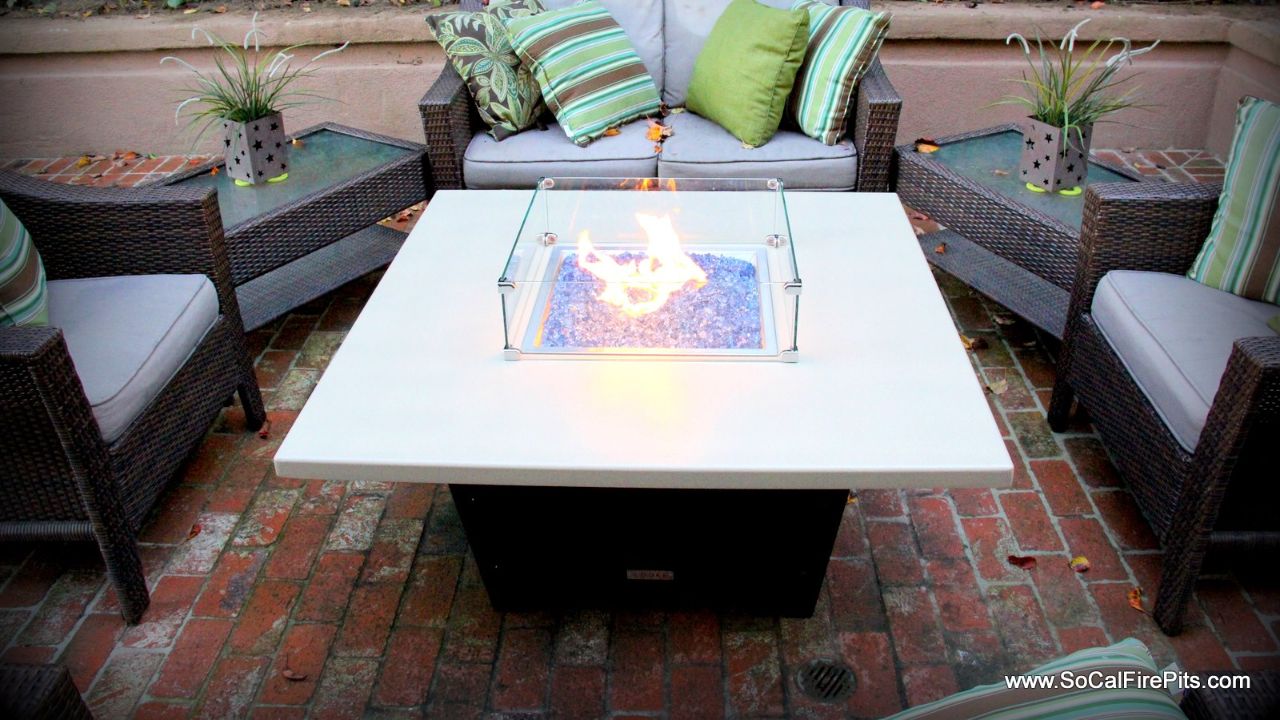
Modern Vs. Traditional Fire Tables: Finding Your Property's Design Style
Key Takeaways
- Financial Performance: Luxury commercial fire features deliver 78% overall ROI with 9-18 month payback periods. Hotels achieve up to 69% RevPAU gains and 42% ADR increases, while multifamily properties command 5-8% rent premiums.
- Guest Demographics Drive Style Selection: Modern fire tables appeal to Millennials and Gen Z professionals in urban, contemporary settings. Traditional fire table design serves Baby Boomers and nature enthusiasts in heritage and mountain lodge properties.
- Material Selection Impacts Maintenance: Powder-coated metal modern fire tables offer very high durability with low maintenance. Traditional natural stone requires high maintenance but delivers authentic aesthetic. Aggregate concrete provides ideal balance—very high durability with low to medium maintenance.
- Property Type Determines Optimal Configuration: Urban rooftops and Class A offices require modern linear low-profile designs. Mountain lodges and heritage properties benefit from traditional pedestal or stone combo forms. Coastal resorts and casual dining leverage transitional outdoor tables with fire pit versatility.
- Safety Compliance Applies Universally: All commercial fire table features require 5-foot pathway clearance, 25 feet from wood/vinyl structures, 10 feet from masonry, UL/CSA certification, minimum 50,000 BTU output, and 48" x 48" ADA-compliant clear ground space regardless of modern or traditional property design style.
Fire tables transform commercial outdoor spaces into revenue-generating amenities, but choosing between modern fire tables and traditional fire table design challenges property managers. The decision impacts guest satisfaction, brand positioning, and financial returns. Hotels report up to 69% RevPAU gains with strategic luxury commercial fire features, while multifamily properties command 5-8% rent premiums.
Modern styles suit contemporary, urban properties targeting Millennials and Gen Z professionals. Traditional fire table design serves heritage venues appealing to diverse age groups. This guide examines how property design style, guest demographics, and operational requirements determine optimal outdoor tables with fire pit specifications—providing decision frameworks that align commercial fire table features with brand identity and maximize ROI.
How Should Property Managers Decide Between Modern and Traditional Fire Table Styles to Align with Their Brand, Architecture, and Guest Expectations?
Fire table selection hinges on three factors: guest demographics, architectural context, and financial performance. Property managers must match modern fire tables or traditional fire table design to their specific property type and target audience. The right choice delivers measurable ROI while reinforcing brand identity.
Evaluating Your Property's Design Style for Fire Tables
Guest demographics dictate style preferences. Urban rooftop hotels and restaurants attract Millennials and Gen Z professionals who expect modern fire tables with clean lines and contemporary finishes. Mountain lodges serve Baby Boomers and traditionalists who favor traditional fire table design with natural stone and rustic aesthetics. Suburban multifamily properties need transitional styles with broad appeal for families and young professionals. Coastal resorts targeting wellness travelers benefit from modern round or transitional outdoor tables with fire pit configurations.
Architectural context drives specification decisions. Class A office properties and luxury boutique hotels require sculptural, design-forward modern fire tables that align with minimalist, tech-forward brand positioning. Heritage properties and classic luxury venues demand traditional fire tables with pedestal or stone combinations. Casual dining restaurants and mixed-use developments gain versatility from transitional mixed-material commercial fire table features that balance contemporary appeal with warm, approachable aesthetics.
The Role of Fire Tables in Luxury Commercial Properties
Luxury commercial fire features deliver quantifiable financial returns. Hotels achieve up to 69% RevPAU gains and 42% ADR increases with strategic fire table integration. Multifamily communities command 5-8% rent premiums after installation. Restaurants see 30% boosts in guest check sales with outdoor tables with fire pit additions. Overall amenity investment returns 78% ROI with typical payback periods of 9-18 months. The global commercial fire pits market projects growth from USD 1.8 billion (2023) to USD 3.6 billion (2032).
Fire tables enhance brand identity and drive social engagement. Modern fire tables support minimalist, design-driven positioning that creates Instagram-worthy spaces. Traditional fire table design reinforces heritage and nature-inspired brand identities. Both styles elevate guest experience through thoughtful property design style integration, generating social media engagement that extends marketing reach beyond the physical property.
Key Characteristics of Modern Fire Tables and Their Benefits
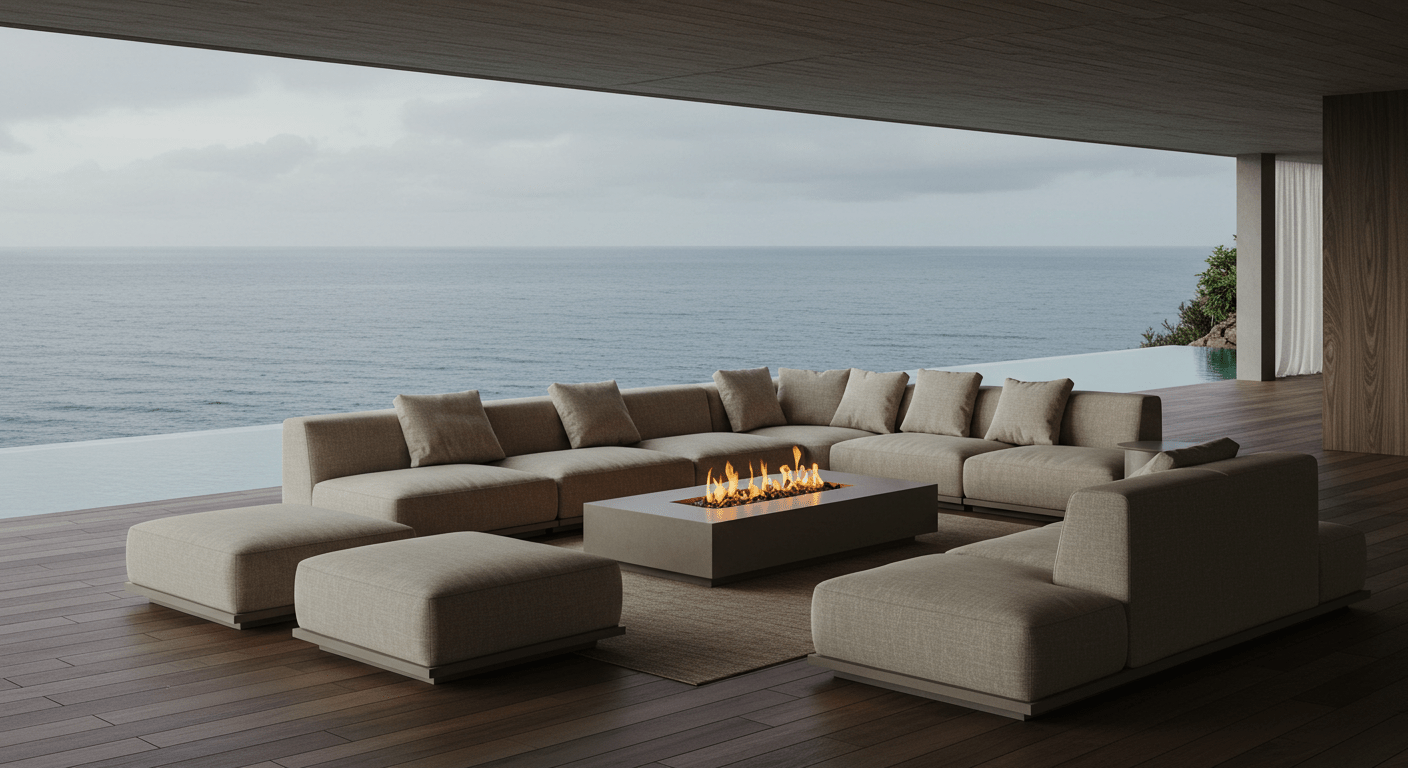
Modern fire tables prioritize clean geometry, industrial materials, and minimal ornamentation. These luxury commercial fire features range from 48" to 120+ inches in linear configurations, utilizing GFRC, cast concrete, powder-coated metal, and Corten steel. Design specifications emphasize durability, low maintenance, and contemporary aesthetics that align with current hospitality and commercial property design style trends.
Design Features of Modern Fire Tables
Form and material define modern fire table design. Linear, rectangular, and low-profile slabs dominate contemporary specifications, with monolithic concrete representing the ultra-low-profile trend. GFRC serves as the primary material for custom-molded installations, while cast concrete offers durability with smooth or textured finishes. Powder-coated metal provides very high durability with very low UV degradation, and Corten steel develops intentional rust patina with excellent UV resistance. Stainless steel delivers sleek finishes for urban applications.
Color palettes support luxury positioning. Charcoal gray smooth concrete offers excellent UV resistance and high perceived luxury with annual sealing. Black finishes—smooth or powder-coated—provide very good UV resistance, excellent staining resistance, and very high luxury perception. White and off-white smooth concrete suits dry climates with ultra-modern, minimalist positioning despite lower staining resistance. Corten rust finishes require minimal maintenance with high luxury perception in industrial-chic contexts. Linear burners create sleek flame lines, while glass beads, fire glass, and lava rock media options maintain contemporary visual appeal.
Why Choose Modern Fire Tables for Luxury Commercial Spaces?
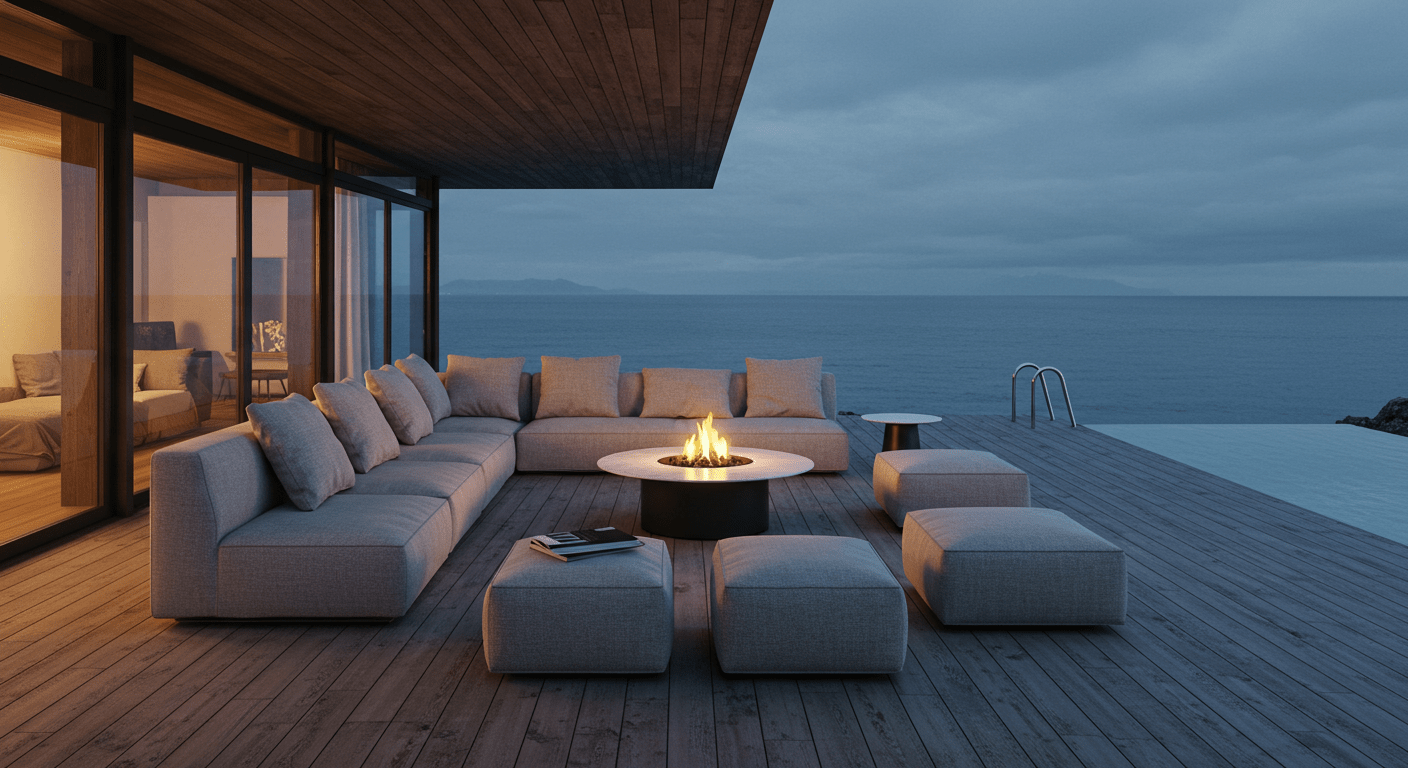
Modern fire tables optimize performance across property archetypes. Urban rooftop installations demand sleek aesthetics, space efficiency, and Instagram-worthy design that modern outdoor tables with fire pit configurations deliver. Contemporary resort properties benefit from modern round or monolithic forms with relaxed luxury positioning. Class A office properties require sophisticated, brand-aligned, low-maintenance commercial fire table features that support corporate amenity standards.
Climate versatility and minimal upkeep drive specification decisions. All climates suit modern fire tables with proper sealing and material selection. Powder-coated metal achieves very high durability with very low maintenance burden. Aggregate concrete provides very high durability, very low UV degradation risk, and low to medium maintenance needs. Current trends favor minimalist slabs with GFRC and smooth matte finishes, sculptural concrete with organic asymmetric forms, and geometric shapes—rectangular, hexagonal, custom—that leverage bold contrasting finishes. Millennials, Gen Z, and urban professionals expect these contemporary design aesthetics, making modern fire tables essential for properties targeting high to very high perceived luxury positioning.
Key Characteristics of Traditional Fire Tables and Their Benefits
Traditional fire table design emphasizes natural materials, elevated forms, and decorative detailing. These luxury commercial fire features utilize round, pedestal, and square elevated configurations with larger footprints that accommodate intricate elements. Natural stone, cast stone, and tile veneer deliver authentic aesthetics suitable for heritage properties, mountain lodges, and traditional resort environments.
Classic Design Elements of Traditional Fire Tables
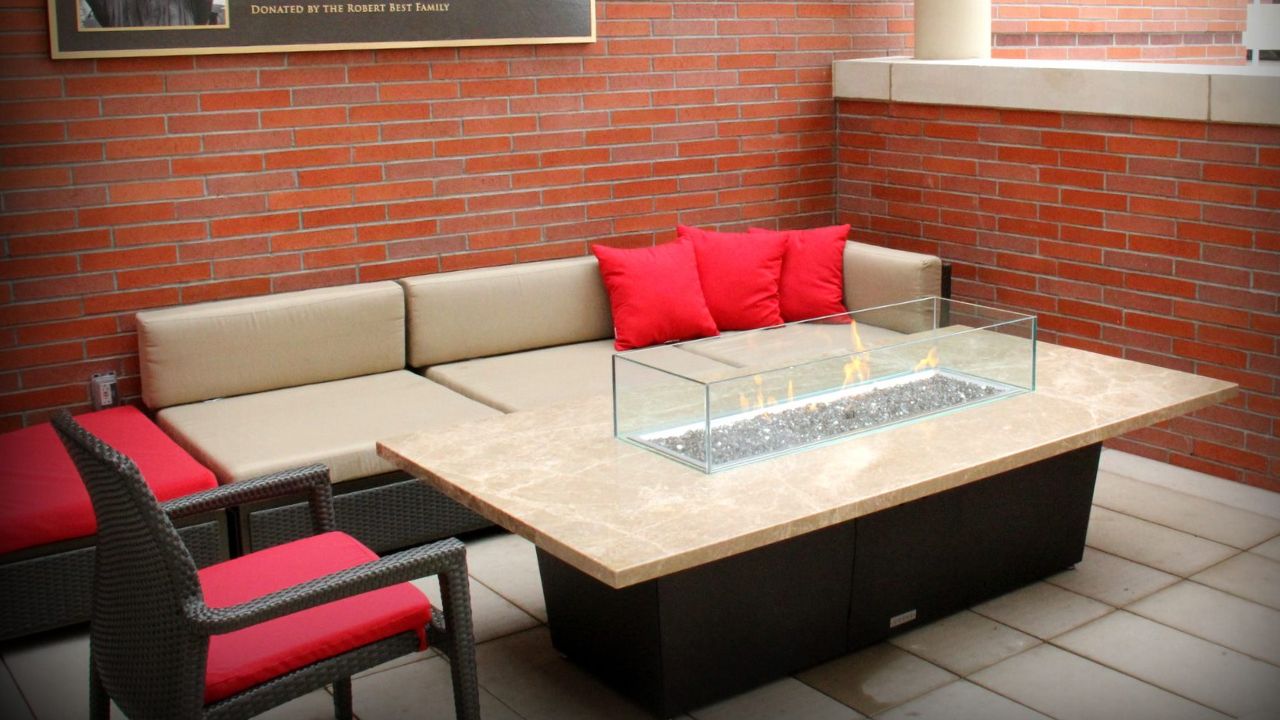
Natural materials define traditional fire table construction. Natural stone offers high durability and low UV degradation but requires sealing due to moderate staining risk and high maintenance burden. Cast stone provides authentic stone appearance with easier fabrication. Tile veneer and ceramic tile cladding suit moderate to warm climates with medium to high maintenance requirements for grout care. Stacked stone veneer demonstrates rustic design for mountain lodge applications, while travertine and limestone finishes create layered, textured surfaces.
Traditional color palettes emphasize earth tones. Limestone and sand finishes—textured concrete or natural stone—provide very good UV resistance with moderate staining resistance requiring bi-annual sealing, delivering medium to high perceived luxury for coastal and relaxed luxury positioning. Tile and stone cladding offer excellent UV resistance with high perceived luxury suitable for Mediterranean and traditional luxury contexts. Round burners create traditional flame patterns, while ceramic logs, natural stone media, lava rock, and fossilized wood media evoke classic fireplace aesthetics and high-end traditional luxury detailing.
Why Opt for Traditional Fire Tables in Commercial Spaces?
Traditional fire tables optimize performance for specific property types and climates. Mountain lodge properties, traditional resorts, and ski lodges emphasize warmth, rustic charm, and heat retention that outdoor tables with fire pit configurations in traditional styles deliver. Historic-themed properties benefit from timeless appeal that reinforces heritage branding. Stone materials retain heat effectively in cold to moderate climates, with natural stone veneer achieving high durability ratings with proper sealing.
Guest demographics and maintenance requirements shape specification decisions. Baby Boomers, traditionalists, and nature enthusiasts prefer traditional fire table design that creates nostalgia and comfort through familiar elements. These commercial fire table features suit large social spaces like outdoor lounges and restaurant patios. Medium to high maintenance levels for natural stone and tile grout require regular sealing and upkeep, with tile risking cracks in freeze-thaw cycles without proper installation. Heritage, classic luxury, and nature-inspired brands achieve medium to high perceived luxury through traditional property design style that supports approachable luxury positioning for family-friendly properties.
How Do Modern and Traditional Fire Tables Impact the Guest Experience?
Fire table style directly influences guest satisfaction, dwell time, and social engagement. Modern fire tables appeal to younger demographics seeking contemporary design and Instagram-worthy spaces. Traditional fire table design creates warm gathering environments that encourage extended interaction across diverse age groups. Both styles deliver distinct experiential benefits aligned with specific property design style objectives.
Guest Satisfaction with Modern Fire Tables
Modern fire tables enhance guest experience through contemporary aesthetics and space efficiency. Clean lines and minimalist design reduce visual clutter in urban rooftop and boutique hotel settings while creating sleek, professional environments that drive social media engagement. Millennials and Gen Z professionals seek tech-forward, design-driven luxury commercial fire features, with high-end luxury resort guests valuing sculptural, artistic installations that serve as conversation pieces.
Space optimization and brand cohesion define modern advantages. Modern linear fire tables maximize seating capacity in space-constrained urban environments while preserving sightlines and view corridors on rooftop decks. Low-profile slabs prove versatile for both small boutique hotel patios and large resort pool decks. These outdoor tables with fire pit configurations reinforce luxury positioning through high-end materials like GFRC and powder-coated metals, creating cohesive aesthetics with contemporary furniture and architecture that support minimalist, tech-forward brand positioning.
Creating a Warm, Inviting Atmosphere with Traditional Fire Tables
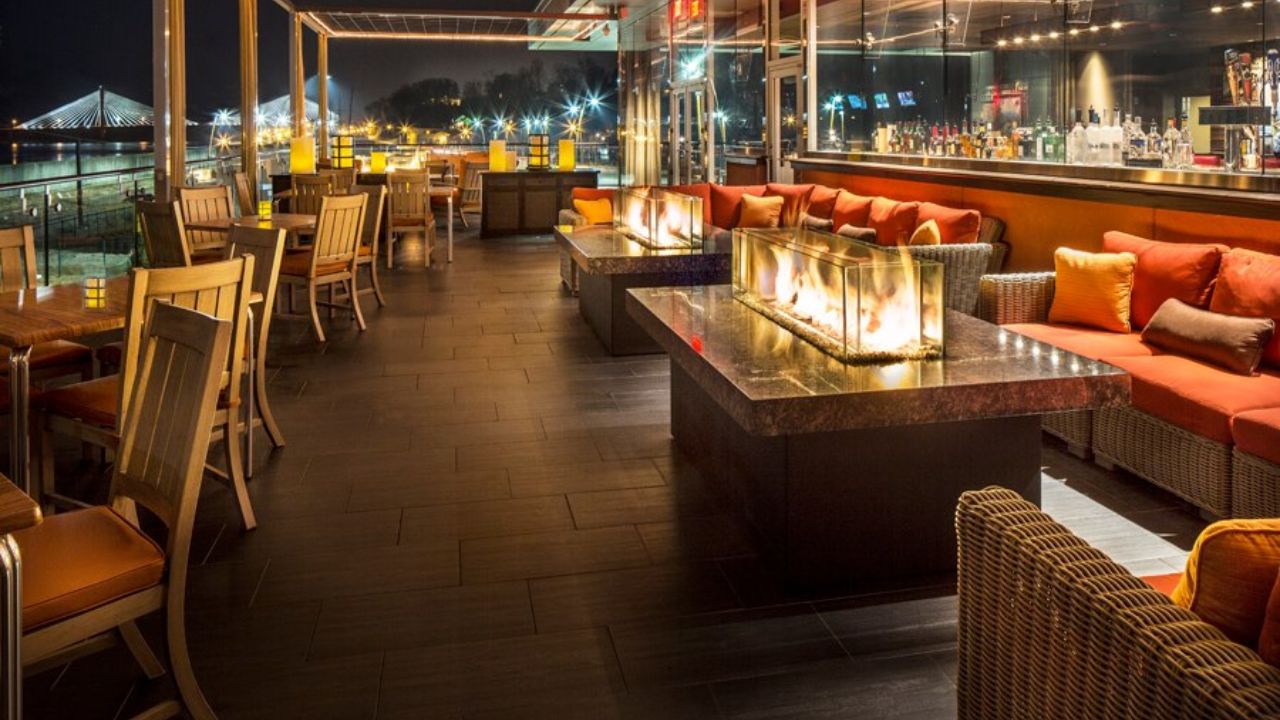
Traditional fire tables function as social gathering focal points. Round pedestal forms encourage circular seating arrangements that promote conversation and interaction. Larger flame features create dramatic visual appeal for evening gatherings, while natural materials like stone and wood evoke history and permanence. Rustic aesthetics welcome diverse age groups, with traditional fire table design supporting cozy, inviting atmospheres in restaurant outdoor dining areas.
Heat retention and substantial presence drive traditional specifications. Natural stone retains and radiates heat effectively in cold to moderate climates, with elevated pedestal designs positioning flames at optimal height for warmth distribution. Large outdoor lounges benefit from traditional fire table's substantial visual weight. Restaurant patios extend outdoor seasons with warm, inviting commercial fire table features. Multifamily courtyards create community gathering spaces with broad appeal, delivering functional heating alongside aesthetic value through stone materials that serve both practical and experiential objectives.
Commercial Fire Table Features that Contribute to Guest Satisfaction
Feature specifications directly impact operational efficiency, safety compliance, and guest engagement. Modern fire tables integrate advanced safety technology, concealed components, and multi-functional design elements. Traditional fire table design emphasizes structural stability, visual drama, and material customization. Both styles require minimum 50,000 BTU output for functional heating in commercial settings, with feature selection driven by property type and operational requirements.
Modern Fire Table Features That Enhance Guest Experience
Safety technology and operational convenience define modern specifications. Standard 2023-2025 luxury commercial fire features include flame sensing systems that detect irregularities, automated timers preventing extended unattended operation, remote control for staff or guest adjustment, wind shut-off triggering at 25+ mph, and emergency stops for quick flame extinguishing. Hidden propane tanks maintain clean aesthetics, while easy-to-use ignition systems enable guest-friendly operation. Concealed burners integrate seamlessly with minimalist slab designs.
Weather resistance and multi-functional integration drive modern advantages. Powder-coated metal offers excellent long-term performance with minimal maintenance in high-traffic outdoor environments. Aggregate concrete hides wear and requires only occasional power washing. Adjustable flame height accommodates ambient versus heating priorities. Modern fire dining tables combine fire features with dining surface functionality, while mixed-material lounges integrate outdoor tables with fire pit configurations alongside seating walls, planters, integrated lighting, and USB charging. Wellness integration incorporates circular or organic forms with natural stone and warm metals—bronze, copper—for ambient flame control supporting contemporary property design style objectives.
Traditional Fire Table Features that Add Charm and Comfort
Structural stability and visual impact characterize traditional specifications. Strong, stable pedestal designs handle high-traffic commercial areas through natural stone construction that provides weight and permanence. Elevated forms position fire features at visible height for larger spaces. Larger flame features create focal points in traditional outdoor environments, with decorative edge profiles and textured finishes adding visual interest. Stacked stone veneer and tile cladding provide customizable aesthetic options.
Material customization and traditional performance elements support heritage positioning. Natural stone veneer allows matching to existing property materials, while tile cladding offers Mediterranean and traditional luxury finish options. Cast stone delivers natural material appearance with easier installation. Round burners create traditional flame patterns guests expect from classic outdoor tables with fire pit designs. Ceramic logs and natural stone media reinforce fireplace aesthetics. Travertine and limestone finishes coordinate with traditional resort architecture, supporting commercial fire table features that emphasize timeless appeal and material authenticity over contemporary minimalism.
Which Fire Table Style is Right for Your Property?
Property type, architecture, and guest demographics determine optimal fire table selection. Modern fire tables suit urban, contemporary, and design-forward properties targeting younger demographics. Traditional fire table design serves heritage properties, mountain lodges, and venues emphasizing rustic charm. Suitability scores and property-specific recommendations provide decision frameworks for maximizing guest satisfaction and ROI.
Choosing Modern Fire Tables Based on Design Goals
Modern fire tables optimize urban, corporate, and luxury boutique applications. Urban rooftop hotels and restaurants require modern linear or monolithic forms in charcoal, black, or Corten finishes prioritizing sleek aesthetics, space efficiency, and Instagram-worthy design. Class A office properties specify modern linear configurations with powder-coated metal emphasizing sophisticated, brand-aligned, low-maintenance commercial fire table features. Luxury boutique hotels deploy modern monolithic or linear slabs in white, black, or charcoal for sculptural, design-forward positioning with high perceived value.
Suitability scores and space optimization guide specifications. Modern linear styles rate 4-5 for urban rooftop and Class A office properties. Modern monolithic achieves top scores (5) for luxury boutique applications. Modern round forms score 4 for coastal resort settings. Linear forms maximize seating in smaller urban spaces while low-profile slabs preserve views and maintain open feel on rooftops. Modern designs require less clearance than traditional elevated pedestals. Sleek, contemporary architecture demands modern fire table design coordination, with minimalistic outdoor spaces benefiting from clean-lined luxury commercial fire features that support upscale boutique hotels' design-forward property design style objectives.
Opting for Traditional Fire Tables for Timeless Appeal
Traditional fire tables optimize mountain, heritage, and expansive property applications. Mountain lodges specify traditional pedestal or stone combo configurations—round or square elevated—with natural stone or tile cladding prioritizing warmth, rustic charm, and heat retention. Coastal resort traditional variants deploy transitional or traditional round mid-height forms in limestone, sand, or aggregate finishes emphasizing relaxed luxury, natural materials, and weather resistance. Casual dining restaurants utilize transitional mixed material rectangular mid-height designs in bronze, aggregate, or textured concrete for inviting, durable outdoor tables with fire pit installations that extend outdoor seasons.
Suitability scores and spatial considerations guide traditional specifications. Traditional pedestal rates highest (5) for mountain lodge properties. Traditional stone combo scores 4 for properties emphasizing rustic heritage. Transitional styles achieve strong scores (4) for suburban multifamily and casual dining applications. Expansive outdoor areas—patios, courtyards—accommodate larger traditional designs, with estates and luxury resorts benefiting from substantial traditional fire table presence. Mediterranean-inspired properties leverage tile and stone cladding finishes. Rustic mountain properties utilize stacked stone veneer aesthetics. Heritage properties maintain authenticity with natural stone traditional fire table design that establishes inviting spaces for extended guest dwell time, creating sense of permanence and comfort through elevated pedestal designs that optimize flame visibility and heat distribution for commercial fire table features supporting timeless appeal.
Aligning Fire Table Choices with Your Property's Brand and Guest Expectations
Fire table selection requires balancing aesthetics, functionality, durability, and financial performance. Modern fire tables and traditional fire table design both deliver measurable ROI when properly aligned with property type, guest demographics, and brand positioning. Strategic specification of luxury commercial fire features creates lasting experiential value while meeting safety compliance and operational requirements.
Balancing Aesthetics, Functionality, and Durability for Maximum Impact
Material selection drives long-term performance outcomes. Powder-coated metal modern fire tables achieve very high durability with low maintenance burden across all climates. Traditional natural stone requires high maintenance but delivers authentic aesthetic for heritage properties. Aggregate concrete provides ideal positioning—very high durability with low to medium maintenance—suitable for high-traffic commercial applications. Climate considerations guide specifications: modern powder-coated and aggregate finishes suit all climates with proper installation, traditional natural stone performs best in cold to moderate climates, and coastal properties benefit from weather-resistant modern finishes or properly sealed stone.
Financial returns justify premium specifications. Typical 9-18 month payback periods across property types support both modern and traditional fire table investments. Overall 78% ROI on amenity investment validates specification of premium materials like GFRC, natural stone, and powder-coated metals. Hotels achieving 69% RevPAU gains and 42% ADR increases demonstrate guest-driven value from strategic outdoor tables with fire pit integration. Customization impacts outcomes: material selection affects maintenance, durability, and aesthetic; finish customization—charcoal, black, Corten, limestone, aggregate—enables brand color coordination; form factor choices—linear, round, pedestal, monolithic—adapt to space constraints and architectural style.
Brand alignment and guest expectations determine style selection. Modern fire table design supports minimalist, tech-forward, design-driven brand positioning with high to very high perceived luxury for Millennials and Gen Z professionals expecting contemporary design. Traditional fire tables reinforce heritage, classic luxury, nature-inspired brands with medium to high perceived luxury for Baby Boomers and traditionalists appreciating classic aesthetics. Transitional styles offer approachable luxury with broad appeal for families and mixed demographics. Safety compliance applies universally: 5-foot minimum pathway clearance in high-traffic areas, 25 feet from wood/vinyl structures, 10 feet from masonry, UL or CSA certified appliances, and 48" x 48" ADA-compliant clear ground space on all usable sides.
Strategic property design style alignment with commercial fire table features drives measurable outcomes. Instagram-worthy modern installations generate social media engagement and marketing value. Traditional designs create memorable gathering spaces fostering extended guest interaction. Both modern fire tables and traditional fire table design contribute to guest satisfaction and financial returns when properly specified for property type, guest demographics, climate conditions, and operational requirements—delivering luxury commercial fire features that enhance brand identity while meeting performance expectations.
Ready to Select the Perfect Fire Tables for Your Property?
Choosing between modern fire tables and traditional fire table design requires expertise in property design style, guest demographics, and operational performance. Cooke's design experts specialize in specifying luxury commercial fire features that align with your brand positioning and deliver measurable ROI.
Our team evaluates your architecture, outdoor space layout, and target guest demographics to recommend premium custom fire tables matched to your property's unique character. Contemporary linear forms suit urban rooftops and modern boutique hotels while traditional pedestal designs complement heritage properties and classic resort aesthetics. Contact Cooke's design specialists today to explore commercial fire features that elevate guest satisfaction, encourage social engagement, and achieve 9 to 18 month payback periods through strategic amenity investment.