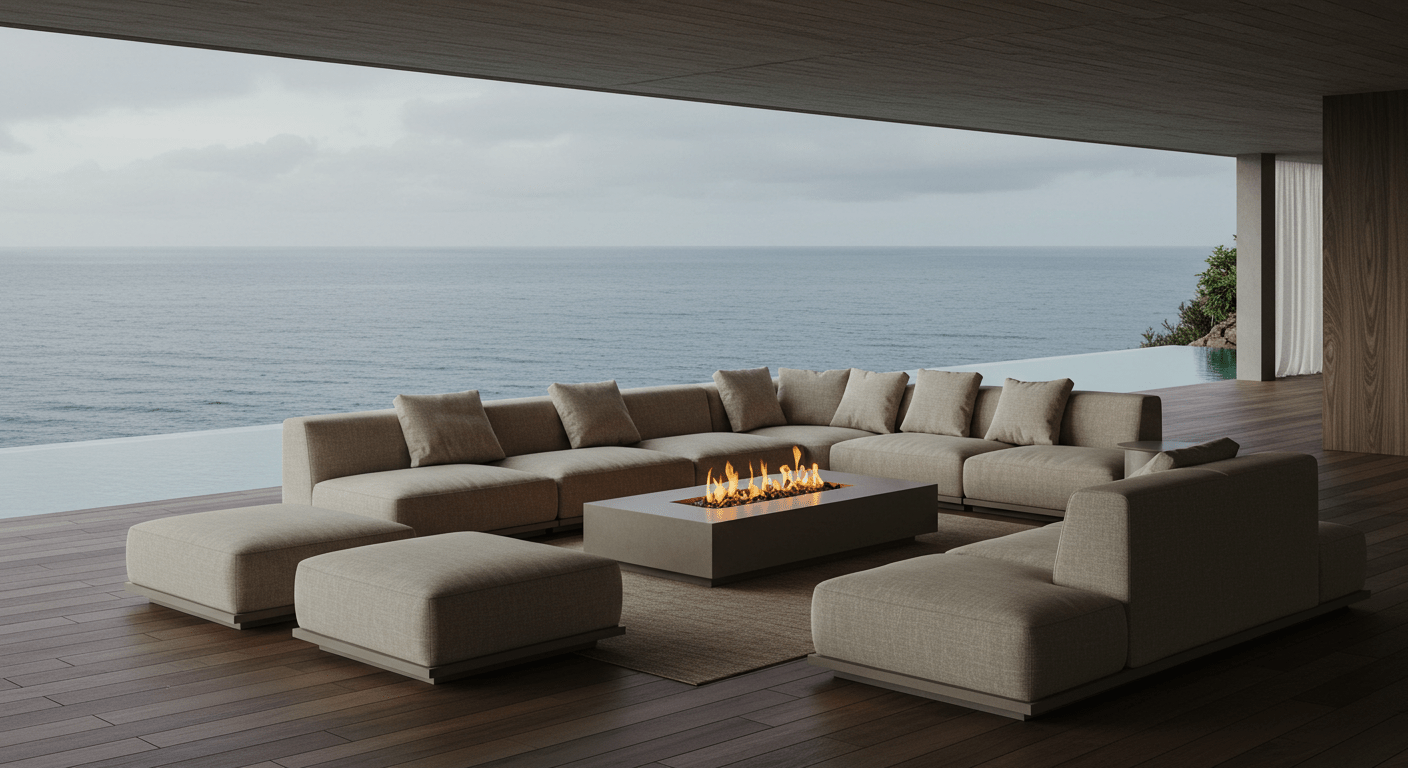
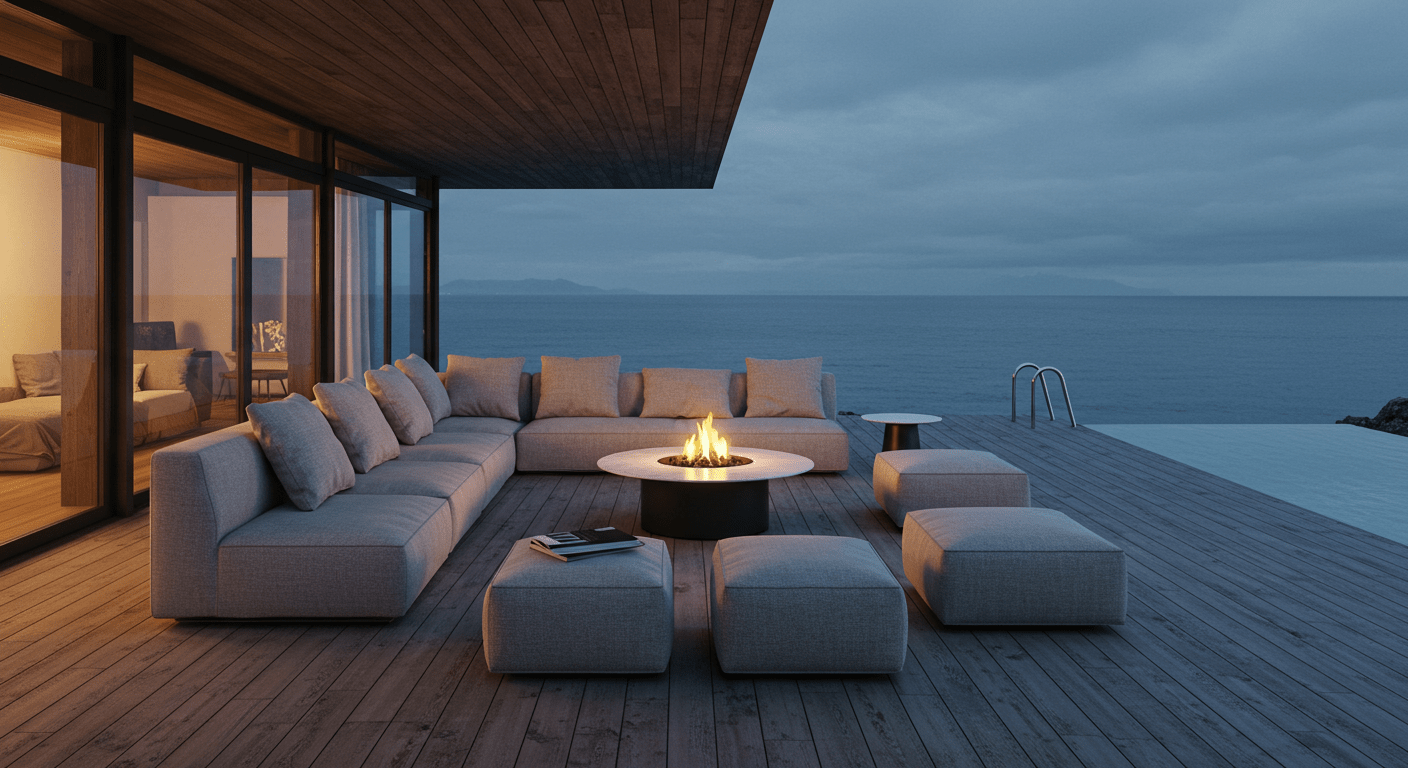
Perfect Fire Table Placement: Designing Your Property's Outdoor Living Layout
Key Takeaways
- Safety clearances are non-negotiable: Maintain 10-25 feet from structures and 21 feet from vegetation to prevent disasters that destroy reputations.
- Size for your market position: Commercial properties need larger tables (48-72") that create visual impact and survive high-volume use.
- BTU output drives satisfaction: Match heat output to your coldest service month; undersized units disappoint when guests need warmth most.
- Premium materials protect ROI: 304 stainless steel and GFRC withstand commercial use for decades while standard materials fail within 18 months.
- Warranty reveals quality: Leading manufacturers offer 50-year structural guarantees versus industry-standard 1-3 years; the difference protects your investment.
Fire tables do more than warm outdoor spaces; they create experiences that guests photograph, remember, and pay premiums to enjoy. Properties that master luxury fire table placement like in hotels, report 30% higher guest check sales and 42% increased average daily rates. Yet one placement mistake can trigger code violations, safety incidents, or design failures that damage reputations and drain budgets.
This guide delivers the technical specifications, safety requirements, and strategic insights that hospitality professionals need to transform outdoor spaces into profitable gathering destinations.
Understanding Fire Tables And Their Role In Outdoor Design
Fire tables transform outdoor spaces from empty patios into revenue-generating gathering spots that guests remember and share.
A fire table combines the warmth of a traditional fire pit with the functionality of a surface for drinks and dining. This dual-purpose design anchors outdoor layouts by creating a natural focal point that organizes every other design element around it. With 83% of landscape architects ranking fire pits among their top three requested features and the global market racing toward $9.6 billion by 2030, fire tables have become essential for properties seeking a competitive advantage.
The flame becomes your space's visual anchor. Seating naturally arranges in conversation circles around the warmth. Traffic flows along predictable paths that avoid the heat zone. Light emanates from a central source that photographers love. This organizational principle drives measurable results; restaurants adding fire features to outdoor seating report 30% higher guest check sales.
|
Fuel Type |
Portability |
Setup Requirements |
Monthly Maintenance |
Heat Output |
|
Propane |
Highly portable |
Tank connection only |
Tank swap/refill |
40,000-60,000 BTU |
|
Natural Gas |
Fixed installation |
Professional gas line |
Annual inspection |
40,000-250,000 BTU |
|
Bioethanol |
Portable |
Pour and light |
Fuel refill only |
3,000-20,000 BTU |
Safety Clearances, Codes, And Regulatory Essentials
Proper clearances protect your investment, your property, and your professional reputation from preventable disasters.
How Much Space Do You Need Around A Fire Table?
|
Structure Type |
Lateral Clearance |
Overhead Clearance |
Notes |
|
Wood/Vinyl Structures |
25 feet |
10 feet |
Includes pergolas, gazebos |
|
Masonry/Concrete |
10 feet |
7 feet |
Non-combustible walls |
|
Trees/Vegetation |
21 feet |
Clear canopy |
Trim overhanging branches |
|
Furniture/Seating |
3 feet |
6 feet |
Gas tables require 72" overhead minimum |
Which Rules Or Permits Apply Before Installation?
Building codes vary by municipality, but consistently require:
-
Fire department approval for commercial installations
-
HOA review for community standards compliance
-
Electrical permits for ignition systems
-
Gas permits for natural gas connections
-
Inspection triggers for permanent structures over 200 square feet
Commercial venues require wider clearances than residential ones. High-traffic areas require a 5-foot minimum pathway between designer fire tables and seating clusters to prevent bottlenecks during peak service.
Planning The Ideal Location And Layout
Strategic fire table placement maximizes both safety and social interaction while protecting your fire table from wind and weather.
How Should The Fire Table Relate To Seating And Movement?
Use these standards to translate your outdoor seating layout into clear dimensions for comfort and service flow.
|
Design Element |
Recommended Distance |
Purpose |
|
Fire edge to seat |
22-24 inches |
Optimal warmth without discomfort |
|
Between chair backs |
36 inches minimum |
Safe passage behind seated guests |
|
Main walkways |
48 inches |
ADA compliance and service access |
|
Service corridors |
60 inches |
Cart and wheelchair navigation |
How Do You Adapt For Small Patios Or Narrow Yards?
Compact spaces demand creative solutions:
-
Linear fire tables divide narrow spaces into intimate zones
-
Corner placement maximizes usable square footage
-
Built-in bench seating eliminates chair sprawl
-
Fire tables with wide ledges eliminate the need for side tables
These multifunctional designs encourage guests to linger; wider ledges for drinks and plates create natural conversation spaces that photograph beautifully.
Choosing The Right Fuel And Base Surface
Which Fuel Suits Your Space And Lifestyle?
|
Fuel Type |
Setup Cost |
Operating Cost |
Ventilation Needs |
Best For |
|
Propane |
$500-2,000 |
$50/month |
Outdoor only |
Properties wanting flexibility |
|
Natural Gas |
$2,000-5,000 |
$20/month |
Outdoor only |
High-volume commercial use |
|
Bioethanol |
$300-1,500 |
$100/month |
Indoor/outdoor |
Eco-conscious brands |
Advanced burner technology changes the economics; CROSSFIRE systems deliver 200% larger flames while using 50% less gas, cutting operating costs nearly in half while creating more dramatic visual impact.
Sizing, Shape, And Heat Output Selection
The right dimensions prevent costly replacements while ensuring your fire table enhances rather than overwhelms your space.
How Do You Pick The Right Dimensions For Your Layout?
|
Shape |
Dimensions |
Seating Capacity |
Footprint Required |
Best Application |
|
Round |
36" diameter |
4-6 guests |
12' x 12' |
Intimate residential patios |
|
Round |
48" diameter |
6-8 guests |
15' x 15' |
Standard hotel courtyards |
|
Square |
42" x 42" |
4-8 guests |
14' x 14' |
Flexible commercial layouts |
|
Rectangular |
60" x 30" |
8-10 guests |
18' x 12' |
Linear rooftop bars |
|
Rectangular |
72" x 36" |
10-12 guests |
20' x 14' |
High-volume restaurant patios |
Commercial properties require a larger scale for visual impact and durability. A residential 36" table looks lost in a hotel courtyard where guests expect grand gestures. High-traffic venues need tables that command attention while surviving thousands of daily interactions.
How Much Heat Do You Need?
Start BTU heat radius planning by measuring typical seating distances and your coldest operating month.
|
Climate/Exposure |
Seating Distance |
BTU Requirement |
Fuel Type Options |
|
Mild/Protected |
24-36" |
30,000-40,000 |
Bioethanol, Propane |
|
Cool/Open Patio |
24-36" |
40,000-60,000 |
Propane, Natural Gas |
|
Cold/Windy |
18-24" |
60,000-100,000 |
Natural Gas |
|
Commercial High-Volume |
Variable |
100,000-250,000 |
Natural Gas |
BTU output ranges from eco-friendly bioethanol at 3,000 BTU for ambiance to commercial-grade 250,000 BTU systems that warm entire outdoor dining rooms. Match heat output to your coldest service month; undersized units disappoint guests when they need warmth most.
Step-By-Step Placement Process
Professional installation prevents the nightmare scenarios that destroy reputations and budgets.
Begin with site assessment: mark utilities, identify wind patterns, measure clearances. Position your table where natural windbreaks, walls, landscaping, and structures provide protection. Create scaled drawings showing furniture placement, traffic flow, and service paths. Verify local codes before breaking ground. Commercial properties should schedule installation during slow periods to avoid revenue disruption. Test all safety systems before the first guest uses them.
Tips For Covered Areas (Pergolas, Awnings, Roofs)
Use these wind and clearance guidelines to size overhead space and ventilation safely:
|
Structure Type |
Minimum Overhead Clearance |
Ventilation Requirements |
Special Considerations |
|
Open Pergola |
7 feet |
Natural airflow sufficient |
Check beam combustibility |
|
Fabric Awning |
10 feet |
Side openings required |
Fire-retardant fabric only |
|
Solid Roof |
10 feet |
Mechanical ventilation needed |
CO detectors mandatory |
|
Gazebo |
8 feet |
Multiple escape routes |
Consider glass wind guards |
Heat and combustion gases need 7-10 feet minimum clearance to dissipate safely. Inadequate ventilation creates dangerous carbon monoxide accumulation and accelerates structural deterioration.
Specialized Scenarios And Environmental Factors
Premium properties demand solutions that survive harsh conditions while maintaining luxury aesthetics.
Poolside And Water Feature Zones
Water environments create unique challenges; splash zones accelerate corrosion, reflection intensifies heat, and wet surfaces increase slip risks. Sensei Lānaʻi Four Seasons solved these challenges with Cooke's Famosa fire tables, engineered specifically for poolside luxury. Their strategic placement creates intimate wellness spaces that helped earn the resort Condé Nast's #1 Hawaii ranking in 2024.
Position tables a minimum 10 feet from pool edges to prevent water damage and comply with electrical codes. Choose sealed ignition systems that resist moisture. Specify marine-grade finishes that maintain appearance despite chlorine exposure.
Windy Or Coastal Sites
Coastal properties face dual threats: salt corrosion and wind disruption.
-
Orient tables perpendicular to prevailing winds to minimize flame disturbance
-
Install 36-42" glass wind guards for consistent flame without blocking views
-
Position near natural windbreaks like buildings or mature landscaping
-
Specify 304 stainless steel construction that withstands salt air indefinitely
Materials matter most in harsh environments. Premium properties protect their investment with commercial-grade stainless steel that maintains a pristine appearance through decades of coastal exposure and heavy commercial use. Lesser materials fail within 18 months, creating warranty battles and emergency replacement costs that destroy budgets and credibility.
Accessibility, Family Safety, And Comfort Enhancements
Modern fire tables demand safety systems that protect guests without disrupting ambiance or service flow.
Adding Smart Safety Controls
Today's liability-conscious properties require multiple safety layers:
-
Keyed ignition systems prevent unauthorized use during off-hours
-
60-minute auto-shutoff timers eliminate overnight burn risks
-
Thermocouples cut the gas flow if flame extinguishes
-
Emergency stop buttons within 10 feet of each table
-
Motion sensors that reduce flame height when children approach
Commercial properties need enhanced protection beyond residential standards. High-traffic venues specify automatic shut-offs triggered by wind speeds over 25 mph, emergency stops accessible from multiple angles, and flame-failure devices that prevent gas accumulation. These systems add $500-1,500 per table but prevent the lawsuits and insurance claims that destroy businesses.
Styling Integrations And Finishing Touches
Strategic styling transforms functional fire tables into Instagram moments that market your property.
Example Layout Templates
The Resort Courtyard: Center a 60" round fire table within a 20' diameter seating circle. Position four love seats at compass points with side tables between. Add pathway lighting every 8 feet. Result: 12-person capacity with clear service access.
The Rooftop Linear: Install 72" rectangular fire tables every 20 feet along the parapet wall. Pair with modular seating for 8-10 per table. Include glass wind guards and overhead heating. Result: Maximum capacity without crowding. Include 48" clear routes and 60" turning zones for ADA-friendly outdoor design.
The Poolside Lounge: Place 48" square fire tables at pool deck corners, 10 feet from water. Surround with deep seating for 6-8. Add waterproof storage for cushions. Result: Intimate spaces that photograph beautifully.
Grand View Hotel's strategic fire pit installation demonstrates real impact; 30% guest satisfaction increase and measurably higher weekend bookings during shoulder seasons. Their success came from positioning tables where sunset views meet social spaces.
Maintenance, Budget, And Final Planning
Understanding total investment prevents budget surprises that derail projects.
Budget And Timeline Expectations
|
Component |
Residential Cost |
Commercial Cost |
Timeline Impact |
|
Site Preparation |
$500-2,000 |
$2,000-5,000 |
1-2 weeks |
|
Gas Line Installation |
$500-1,500 |
$2,000-4,000 |
1 week |
|
Fire Table Unit |
$2,000-5,000 |
$5,000-15,000 |
6-12 weeks delivery |
|
Wind Guards/Accessories |
$300-800 |
$800-2,000 |
2-4 weeks |
|
Professional Installation |
$500-1,000 |
$1,500-3,000 |
2-3 days |
|
Total Investment |
$3,800-10,300 |
$11,300-29,000 |
9-19 weeks |
These investments deliver measurable returns. Residential properties see up to 78% ROI through increased property values. Vacation rentals with fire pits command 42% higher Average Daily Rates and 69% greater Revenue Per Available Unit; often recouping costs within one season.
Your Fire Table Investment: Decades Of Impact Ahead
Fire table placement decisions impact guest satisfaction, operational efficiency, and revenue generation for decades. Properties that invest in custom fire pit designs, proper placement, commercial-grade materials, and safety systems create outdoor experiences that drive bookings, increase per-guest spending, and earn industry recognition. Those that compromise on quality or rush installation face equipment failures, code violations, and missed revenue opportunities that cost far more than initial savings.
Ready to transform your outdoor space with fire tables engineered for commercial excellence? Visit Cooke Furniture's customer support to discuss your project with hospitality furniture specialists who understand the stakes.