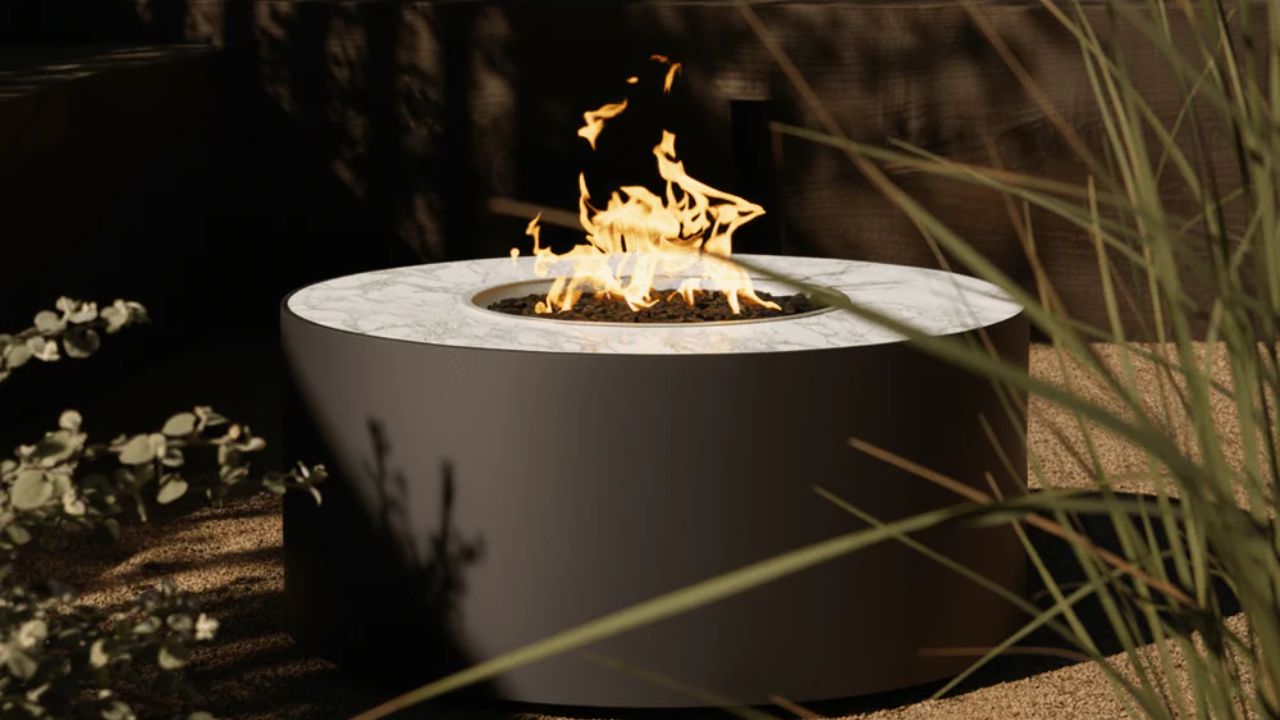
Fire Tables as Long‑Term Commercial Investments: Understanding True Value for Properties
Key Takeaways
- Commercial fire tables should be evaluated as long-term revenue-generating assets, not short-term décor, because they can increase dwell time, support pricing premiums, extend seasonal use, and improve guest satisfaction.
- True fire table investment value depends on lifecycle thinking, including material quality, certifications, installation standards, and maintenance costs, rather than comparing upfront purchase price alone.
- Long-term ROI is protected through preventive maintenance, protective accessories, staff training, and strong documentation practices that preserve performance, support warranty claims, and reduce avoidable failures.
- Property managers should calculate ROI using total cost of ownership and revenue impact together, including installation, maintenance, fuel, replacement parts, and measurable gains from premium positioning and property value.
- Common mistakes such as choosing low-cost non-commercial units, accepting under-spec materials, skipping certification checks, or ignoring maintenance planning can quickly erode returns and increase replacement costs.
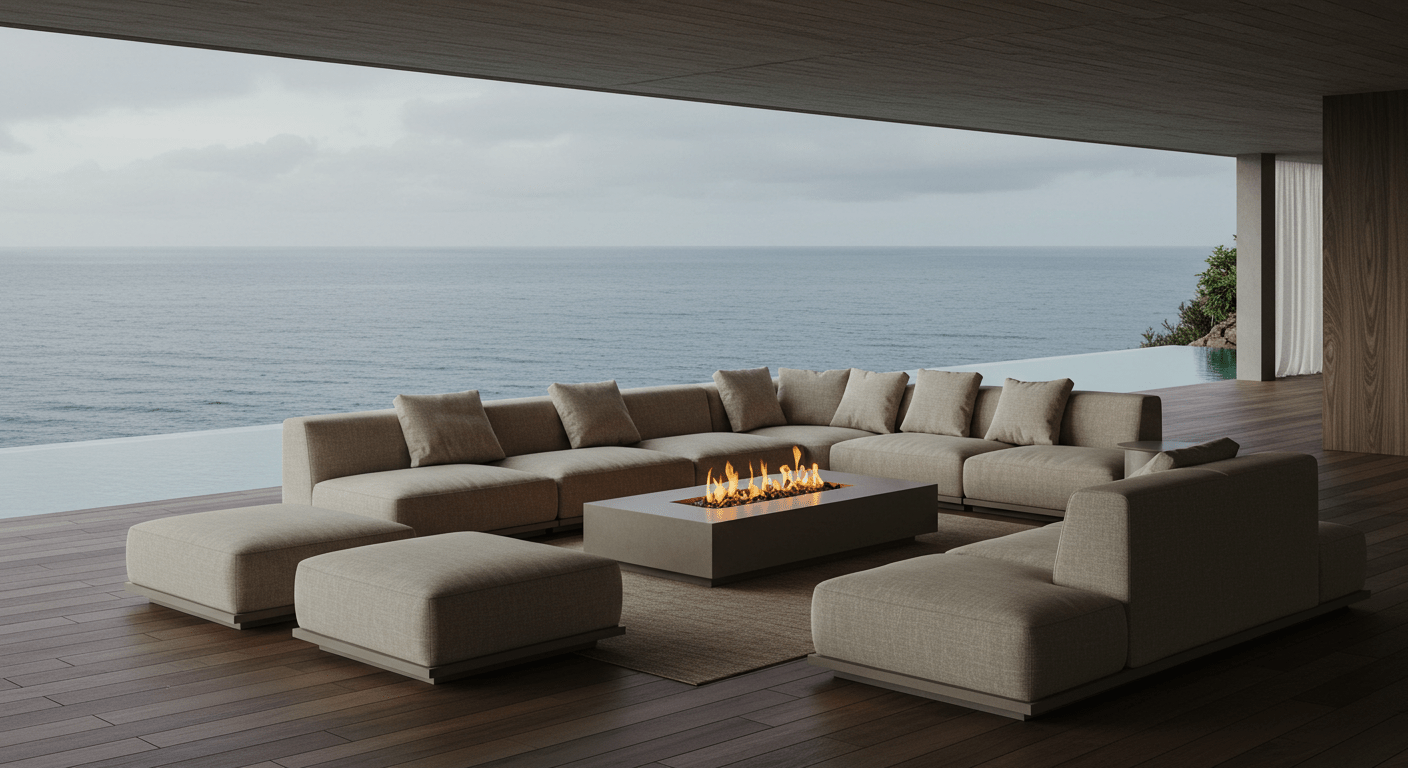
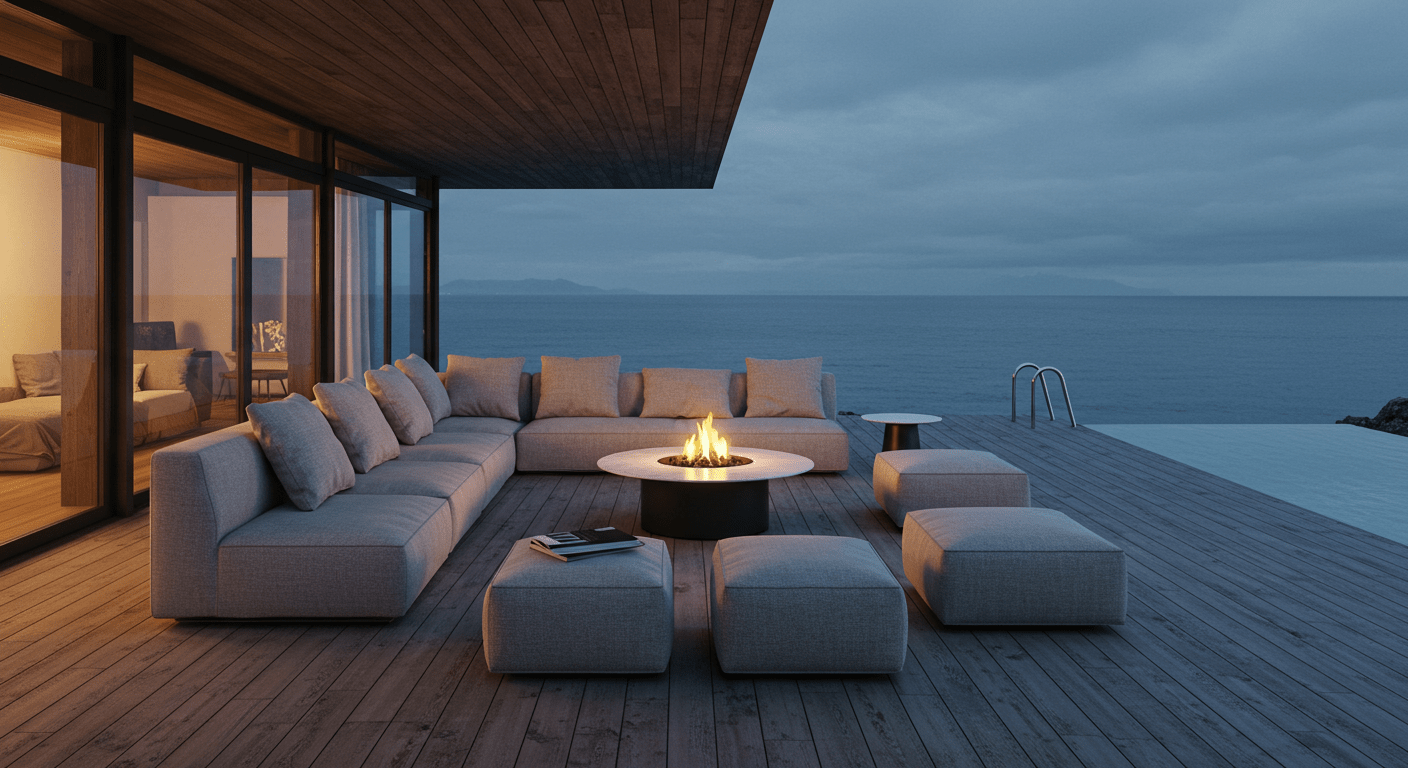
Commercial fire tables represent far more than aesthetic upgrades for hospitality properties. They function as revenue-generating assets that measurably influence guest behavior, property valuations, and competitive positioning within crowded markets. Understanding fire table investment value requires looking beyond initial purchase price to evaluate total lifecycle impact across decades of operation. This guide helps property managers, hospitality directors, and design professionals evaluate the best fire pit tables for hotels through a rigorous commercial lens rather than purely aesthetic considerations. We examine the business case for premium fire features, factors affecting long-term value retention, maintenance strategies that protect ROI, and common purchasing mistakes that erode returns over time. Whether specifying architectural fire features for a luxury resort or adding fire table functionality to an upscale restaurant patio, the principles of smart capital investment apply equally.
Why Should Property Owners View Fire Tables as Long-Term Commercial Investments Instead of Short-Term Décor?
Fire tables drive measurable business outcomes that décor cannot. The distinction matters because investment thinking changes how you evaluate costs, maintenance, and vendor selection. Properties that treat fire features as strategic assets consistently outperform those that view them as decorative expenses.
What Business Goals Can a Commercial Fire Table Support Beyond Aesthetics?
Fire tables generate revenue, extend operating seasons, and amplify marketing reach. Fire table seating commands 20-40% pricing premiums over standard outdoor seating—guests willingly pay more for the experience. Properties with fire features generate 40-60% more tagged photos on social media, delivering organic marketing that paid campaigns cannot replicate.
The market validates this demand. Fire pit projections reach $9.6 billion by 2030, signaling lasting resale value and guest expectations. Fire features also extend shoulder seasons by making spring and fall evenings comfortable, transforming weather-dependent spaces into year-round profit centers. Choose fire tables when you need assets that earn revenue, not just fill space.
How Do Guest Experience, Dwell Time, and Revenue Potential Affect Perceived Value?
Longer stays translate to higher checks. Guests stay 15-30 minutes longer at fire table seating, ordering additional drinks, desserts, or appetizers. Restaurants with outdoor fire features report 30% higher guest check sales—a direct correlation between ambiance and spending.
The hospitality data is equally compelling. Properties with professionally designed fire amenities report 69% higher Revenue Per Available Unit (RevPAU) and 42% Average Daily Rate (ADR) premiums. Grand View Hotel experienced a 30% guest satisfaction surge after fire pit installation, demonstrating the connection between fire features and guest perception. Choose a fire table investment when guest experience metrics directly impact your revenue model.
Why Does Lifecycle Thinking Matter More Than Upfront Purchase Price?
Upfront cost is one line item in a 10-15-year ownership equation. Commercial fire tables have a 10-15 year lifespan when properly specified, with initial investments ranging from $5,000-$25,000 depending on size and specifications. Annual fire table maintenance costs average $400-$1,200—predictable expenses that protect the asset.
The payback math favors quality. Typical payback periods run 2-4 years for hospitality properties, with reported overall ROI of 78% on fire table investments. Choose lifecycle cost analysis over purchase price comparison when evaluating vendors. A $15,000 table lasting 15 years costs $1,000 annually; a $5,000 table requiring replacement every 4 years costs $1,250 annually plus installation, downtime, and disposal.
What Factors Determine the True Long-Term Value of a Commercial Fire Table?
Material specifications, certifications, and installation quality separate assets from liabilities. These factors directly affect lifespan, insurance compliance, and total ownership cost. Understanding them prevents expensive mistakes and protects your outdoor furniture investment.
How Do Materials, Burner Quality, and Construction Standards Affect Lifespan?
Construction materials determine whether your fire table lasts 5 years or 50. Commercial-grade construction requires a minimum 14-gauge stainless steel or 3/16-1/4 inch steel plate for structural components. Premium units use marine-grade 304 or 316 stainless steel, which resists corrosion in coastal and high-humidity environments where standard steel fails within seasons.
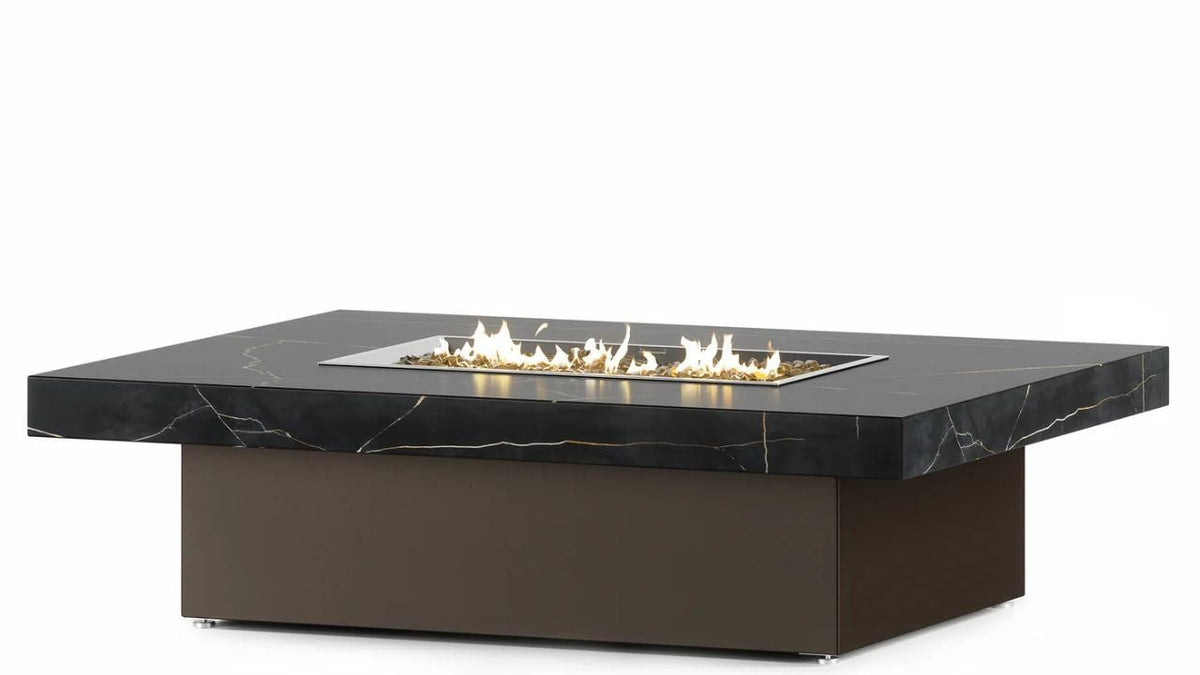
Surface treatments matter equally. Powder coating should meet a minimum 2-3 mil thickness with AAMA 2604 certification for UV and weather resistance. For concrete tops, Ultra-High Performance Concrete (UHPC) exceeds 150 MPa compressive strength, eliminating the cracking that plagues standard mixes. Top-tier manufacturers back these specifications with 50-year structural guarantees—a confidence indicator that budget options cannot match. BTU output ranges from 80,000 BTU for standard units to 250,000 BTU for high-output commercial applications. Choose marine-grade stainless and UHPC when your site faces salt air, freeze-thaw cycles, or heavy commercial use.
What Role Do Certifications, Safety Features, and Code Compliance Play in Long-Term Value?
Certifications protect your investment from liability and insurance complications. Commercial installations require ANSI Z21.97/CSA 2.41 certification—non-certified units may void coverage and violate local codes. NFPA 1 and IFC mandate 15-foot operational clearance from structures or combustibles, a requirement that affects placement planning and venue capacity.
Safety features impact both long-term durability and daily operational reliability for luxury fire pits in commercial settings. Electronic ignition systems should carry 10,000+ cycle ratings to withstand constant hospitality use, with flame-sensing shut-offs that automatically prevent dangerous gas accumulation. ADA compliance requires 48-inch clear circulation paths around all fire features to accommodate wheelchair access and service traffic. Units installed beneath pergolas or covered structures need 7-foot minimum vertical clearance for models under 200,000 BTU, increasing to 10-foot clearance for higher output installations. Specify certified units with commercial-rated ignition whenever your property requires insurance approval, ADA compliance documentation, or municipal permit inspections.
How Do Installation Quality and Site Conditions Influence Total Ownership Cost?
Poor installation creates ongoing costs that exceed any upfront savings. Electronic ignition requires 120v, 15-amp switched power supply—retrofit electrical work adds thousands if not planned during construction. Fire tables weigh 300-800 lbs, requiring structural verification for deck or rooftop installations where load limits apply.
Regional conditions demand specific preparations. California requires seismic bracing. Arizona and Florida coastal properties need wind-resistant anchoring. All gas line connections must be performed by licensed professionals per NFPA 54—unlicensed work voids warranties and creates liability exposure. Pergola installations require 50% open overhead area and two open sides for cross-ventilation. Choose professional installation with regional expertise when site conditions include rooftop placement, covered structures, or coastal exposure. Budget 15-25% of unit cost for proper installation to protect both commercial fire table care requirements and warranty coverage.
What's the Best Way to Protect Your Commercial Fire Table Investment?
Proper fire table maintenance separates 15-year assets from 5-year replacements. Protection strategies span scheduled service, protective accessories, staff procedures, and documentation practices. Each element reduces total ownership cost while preserving performance and appearance.
How Do Preventive Maintenance and Service Schedules Protect Performance and Lifespan?
Scheduled maintenance catches small issues before they become expensive failures. Budget $400-$1,200 annually for professional maintenance depending on unit complexity and usage intensity. This covers burner inspection, ignition system testing, gas connection verification, and surface treatment assessment.
Warranty terms reveal the manufacturer's confidence in construction quality. Quality warranties include 5-10 years of structural coverage and 2-5 years on components like ignition systems and burners. Manufacturers offering shorter terms are pricing in expected failures. Choose units with longer warranty periods and maintain service records to ensure coverage remains valid throughout the protection period.
Which Accessories and Protective Measures Reduce Wear, Damage, and Replacement Costs?
Simple accessories prevent the damage that triggers costly repairs. Use 1/4" fire glass as a stable base layer for proper media placement—it protects burners from debris while distributing heat evenly. Weather-resistant covers extend finish life and reduce fire table cleaning to quick wipe-downs rather than intensive restoration. Covers also block UV exposure that degrades powder coating and fades concrete surfaces.
Site preparation matters for longevity. Proper drainage prevents water pooling that causes freeze damage in colder climates and accelerates corrosion in coastal areas. Choose fitted covers rated for your climate when units face extended off-season exposure or daily weather cycling.
How Can Staff Training and Operating Procedures Improve Reliability and Guest Safety?
Trained staff prevents operational failures and liability incidents. All operators should understand flame-sensing shut-off operation and emergency procedures before working fire table shifts. This knowledge prevents panic responses that damage equipment or endanger guests.
Clearance requirements are non-negotiable. Maintain required distances: 10-25 feet from structures, 21 feet from vegetation, and 7-10 feet overhead clearance,e depending on BTU output. Position outdoor tables with fire pit features away from high-traffic paths and never specify bioethanol units for commercial applications due to documented safety risks. Choose gas-powered units with electronic ignition for commercial settings where staff turnover means continuous retraining needs.
What Records Should Managers Keep to Support Warranty Claims and Asset Planning?
Documentation protects warranty coverage and supports replacement planning. Retain warranty documentation specifying structural (5-10 year) and component (2-5 year) coverage terms, including any exclusions or maintenance requirements.
Keep installation records, including gas line certification, electrical permits, and structural verification reports. Document all maintenance performed and parts replaced—manufacturers routinely deny warranty claims when service records are incomplete or missing. This documentation also supports capital planning by tracking actual versus expected maintenance costs, informing future purchasing decisions. Choose a digital record system with backup when managing multiple fire table assets across properties or locations.
How Can Property Managers Calculate ROI and Compare Fire Table Investment Options?
ROI calculation requires capturing all costs and revenue impacts over the asset's full lifespan. Most comparison mistakes happen when teams focus only on purchase price while ignoring installation, maintenance, and revenue contribution. A complete analysis reveals why premium units often cost less per year than budget alternatives.
Which Costs Should Be Included in a True Total Cost of Ownership Analysis?
Total cost of ownership extends far beyond the invoice. Initial investment ranges from $5,000-$25,000 depending on size, materials, and customization. Professional installation costs add 15-25% for gas line work, electrical connections, and structural verification—expenses that vary significantly by site complexity.
Operating costs accumulate over the 10-15-year lifespan. Annual maintenance runs $400-$1,200 for professional service. Fuel expenses depend on usage patterns and local utility rates for natural gas or propane refill costs. Replacement parts—ignition systems, burner components, media—add periodic expenses that quality units minimize. Include depreciation schedules for asset planning and tax purposes. Choose spreadsheet modeling over simple price comparison when evaluating fire table investment value across multiple vendors or specifications.
How Can Teams Estimate Revenue Impact From Guest Dwell Time and Premium Positioning?
Fire features generate measurable revenue beyond ambiance. Fire table seating supports 20-40% menu price premiums—guests expect and accept higher pricing for the enhanced experience. This pricing power directly offsets investment costs within the 2-4 year payback window most hospitality properties report.
Property value impacts extend beyond daily operations. Real estate gains 5-8% value premiums with fire features, and properties sell 4% faster when outdoor amenities are professionally designed. Outdoor amenities increase commercial property values 10-20%, making fire tables both operational assets and capital improvements. Choose ROI models that include property value impact when presenting investment cases to ownership or financial stakeholders evaluating luxury modern outdoor furniture specifications.
What Is the Difference Between Short-Term Savings and Long-Term Asset Value?
Purchase price savings often create long-term cost increases. Cheap units may require replacement within 3-5 years versusa 10-15 year commercial lifespan for quality units. A $6,000 budget table replaced three times costs $18,000 plus three installation cycles, three disposal fees, and three periods of lost revenue during replacement.
Material quality determines replacement frequency. Premium materials—304/316 stainless steel, UHPC concrete—eliminate replacement cycles that budget units guarantee. Warranty terms quantify this difference: 50-year structural warranties versus limited 1-2 year coverage on budget options. Manufacturers offering short warranties expect failures and price accordingly. Choose lifecycle cost analysis over purchase price when the fire table serves revenue-generating spaces where downtime and replacement disruption carry real costs.
What Common Purchasing Mistakes Reduce Long-Term ROI for Commercial Fire Tables?
Procurement errors compound over time, turning apparent savings into ongoing expenses. The most damaging mistakes involve material specifications, certification shortcuts, and maintenance oversights. Understanding these patterns helps teams avoid the hidden costs that erode fire table investment value.
Why Can Low Upfront Pricing Lead to Higher Replacement and Maintenance Costs?
Low pricing signals material and component compromises. Under-spec materials—anything below 14-gauge steel—fail prematurely under commercial use, where daily operation, weather exposure, and guest interaction stress every component. Budget units achieving lower price points cut exactly the specifications that determine longevity.
Certification shortcuts create liability exposure beyond repair costs. Non-certified products may violate local codes, void insurance coverage, and expose property owners to claims that quality units prevent. Budget ignition systems without proper cycle ratings fail under daily commercial operation—residential-grade components rated for occasional weekend use cannot handle 6-8 hours of nightly hospitality service. Choose certified commercial-grade specifications when the fire table serves revenue-generating spaces where failure creates guest experience problems, liability exposure, or operational disruption.
How Do Under-Spec Materials or Poor Installation Choices Hurt Performance Over Time?
Material and installation shortcuts create cascading performance problems. Improper gas line sizing restricts BTU output and causes inconsistent flame patterns that guests notice and comment on. What appears as a burner problem often traces back to undersized supply lines that installers chose to reduce costs.
Component quality affects daily operation. Stamped steel burners degrade faster than cast stainless alternatives, producing inconsistent heat and requiring earlier replacement. Lack of ANSI Z21.97/CSA 2.41 certification may void insurance coverage entirely—a discovery typically made during claim filing rather than during procurement. Choose cast stainless burners and verified certification when commercial fire table care depends on consistent performance and full insurance protection.
What Happens When Maintenance Planning Is Ignored During Procurement?
Procurement teams focused only on acquisition cost overlook maintenance requirements that determine actual ownership expense. Deferred maintenance voids warranty coverage on most commercial units—manufacturers include service requirements specifically to deny claims on neglected equipment.
Neglected units have shortened lifespans and higher annual repair costs as small issues become major failures. A $200 annual burner inspection prevents $2,000 ignition system replacements. Lack of documentation prevents warranty claims on premature failure,s even when coverage technically applies—manufacturers require service records that many properties fail to maintain. Choose vendors who provide clear maintenance schedules and documentation templates during procurement when protecting long-term outdoor furniture investment and warranty coverage matters to your organization.
How Should Property Owners Make the Final Investment Decision for a Commercial Fire Table Project?
Final decisions require structured vendor evaluation, stakeholder alignment, and implementation planning. The questions you ask—and the answers you verify—determine whether your fire table investment value materializes over the 10-15 year ownership period. Preparation before purchase prevents problems after installation.
What Questions Should Decision-Makers Ask Vendors Before Approving a Purchase?
Four questions separate commercial-grade vendors from residential suppliers marketing to commercial buyers. First: What warranty terms are offered? Benchmark against 5-10 year structural and 2-5 year component coverage—shorter terms signal expected failures. Second: Is the unit ANSI Z21.97/CSA 2.41 certified for commercial use? Non-certified units create insurance and code compliance risks.
Third: What are the material specifications? Benchmark against 304/316 stainless steel and 14-gauge minimum thickness—anything less fails under commercial use patterns. Fourth: What is the ignition system cycle rating? Benchmark against 10,000+ cycles for units operating 6-8 hours nightly. Choose vendors who answer these questions with documentation rather than assurances when protecting long-term outdoor furniture investment.
How Can Teams Balance Brand Fit, Safety Standards, and ROI Expectations?
Balancing competing priorities requires clear benchmarks. Target 2-4 year payback period based on revenue lift projections from premium seating pricing, extended dwell time, and seasonal capacity expansion. If projected payback exceeds 5 years, reconsider specifications or placement strategy.
Safety standards are non-negotiable regardless of brand preferences. Verify certifications satisfy local Authority Having Jurisdiction (AHJ) requirements before purchase—requirements vary by municipali, ty and discovering gaps during permit review delays projects. Match BTU output to space size and intended use: 80,000-150,000 BTU for ambiance-focused applications, 200,000+ BTU for warming larger gathering areas. Choose specification compliance over aesthetic preference when code requirements and brand vision conflict.
What Are the Best Next Steps for Installation Planning and Long-Term Asset Management?
Implementation planning begins before purchase, not after delivery. Consult your Authority Having Jurisdiction early to identify local code amendments affecting clearances, fuel types, or installation requirements. This consultation prevents specification changes after ordering.
Engage licensed professionals for gas and electrical connections during the planning phase—their input affects placement options and installation timelines. Establish your maintenance schedule and documentation system before the unit arrives so commercial fire table care begins immediately. Plan fa $400400-$1,200 annual maintenance budget in operating expenses from year one. Choose project management approaches that coordinate vendor delivery, contractor availability, and permit approvals when installation timing affects revenue-generating seasons or event schedules.
Start Your Fire Table Investment With Confidence
Commercial fire tables deliver measurable returns—but only when specifications, certifications, and maintenance align with commercial demands. The difference between a 5-year replacement cycle and a 50-year asset comes down to the decisions you make before purchasing.
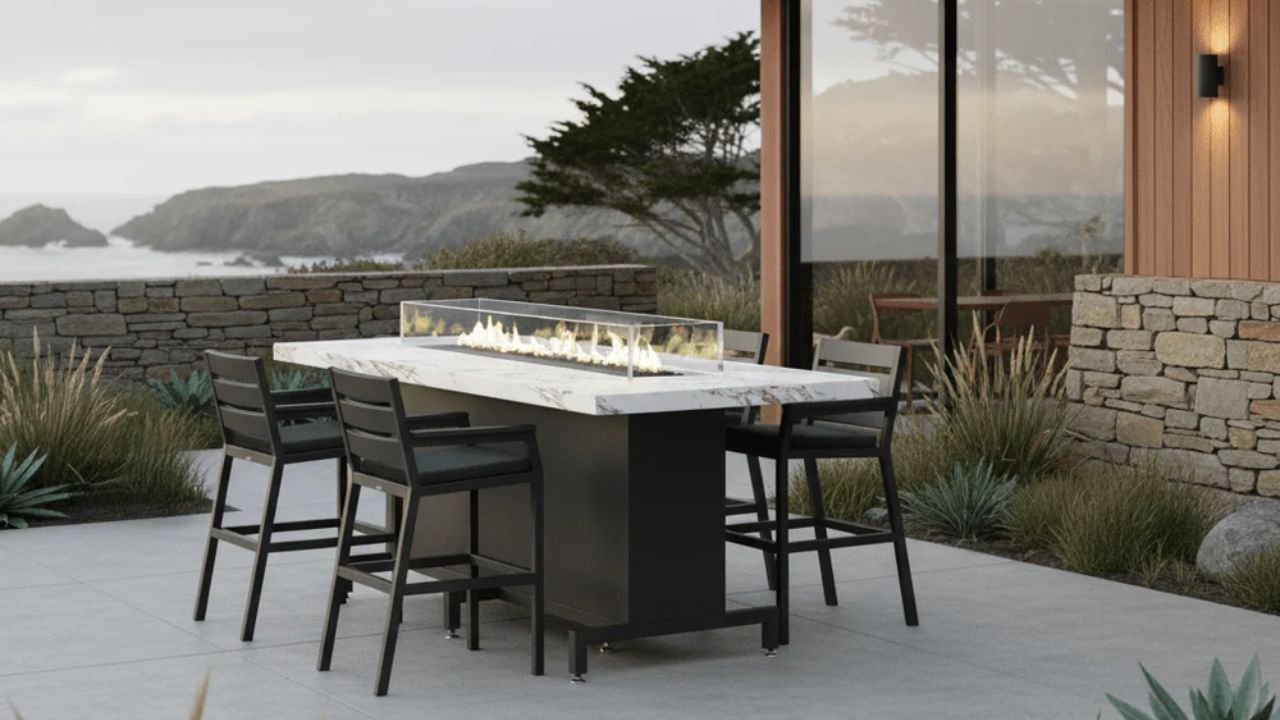
Cooke Furniture manufactures commercial fire pit dining tables engineered specifically for hospitality environments, backing every unit with 50-year structural warranties that demonstrate our confidence in the quality leaving our California facility. Marine-grade 304/316 stainless steel construction and full ANSI Z21.97/CSA 2.41 certification ensure your investment meets the highest safety and durability standards insurers and inspectors require. Our team works directly with property managers, designers, and hospitality directors to match specifications precisely to your operational requirements and architectural vision.
Contact us today to discuss your project, request specification sheets, or schedule a consultation with our commercial team. We're ready to help you invest wisely.