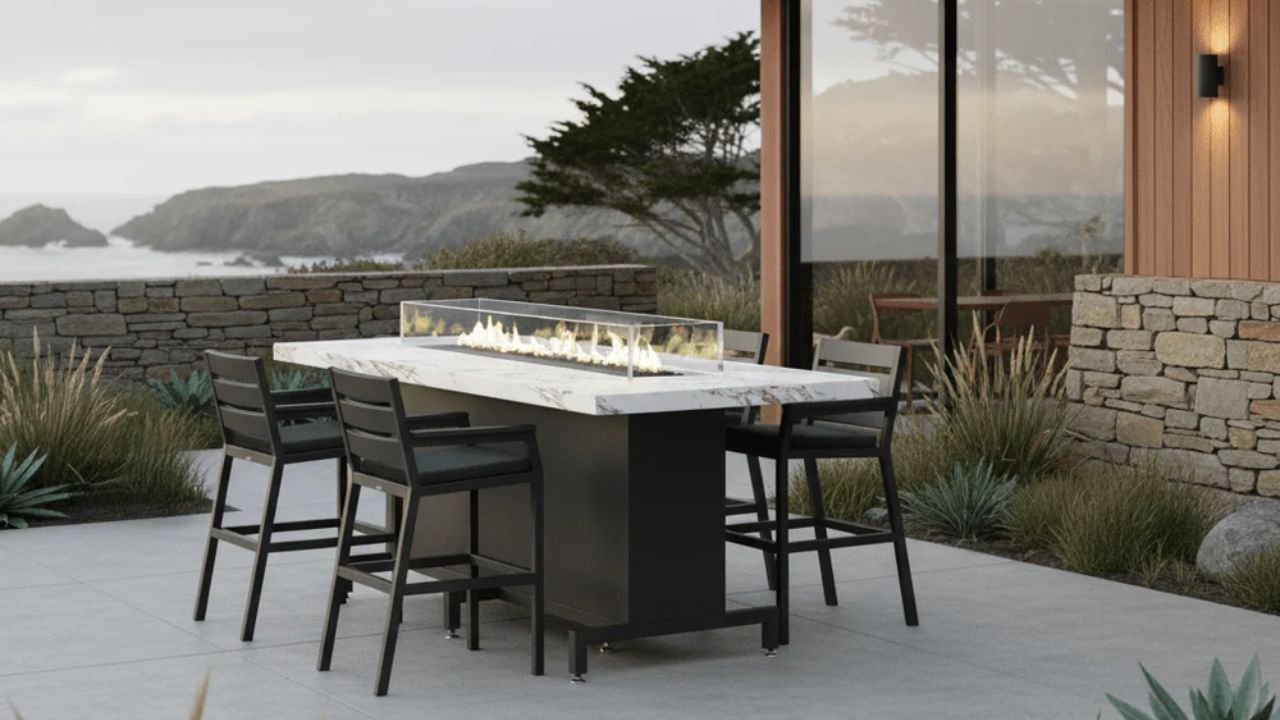
Summer Fire Table Hosting: Perfect Setups for Resort and Hotel Warm‑Weather Events
Key Takeaways
- Summer fire table hosting should focus on ambiance over heat, using lower BTU settings, shorter flame heights, and timing activations around cooler evening hours to improve guest comfort.
- The best resort and hotel fire table layouts depend on venue type, guest count, and circulation flow, with poolside, rooftop, and terrace setups each requiring different placement and material choices.
- Successful warm-weather event planning requires strict attention to spacing, ventilation, wind exposure, code compliance, staff training, and pre-event safety checks before guests arrive.
- Custom fire tables can strengthen luxury branding and increase revenue by creating photogenic guest experiences, supporting premium pricing, and driving repeat bookings and social sharing.
- Protecting a commercial fire table investment in summer depends on weather-resistant materials, routine maintenance, proper covers and inspections, and choosing the right fuel setup for flexibility and operating cost control.
Luxury fire tables earn their place at resort and hotel events year-round, but summer demands a different approach. The goal shifts from warming guests to captivating them. Lower BTU settings, strategic timing, and ambiance-first design turn fire features into magnets for guest engagement, social sharing, and premium spending. This guide covers summer fire table hosting for commercial properties, from layout and fuel selection to safety compliance and ROI benchmarks. Whether you manage poolside receptions, rooftop lounges, or terrace dinners, you will find actionable strategies for warm-weather entertaining that drive revenue and guest satisfaction through peak season.
Why Do Fire Tables Still Matter for Resort and Hotel Events in Warm Weather?
Fire tables remain high-impact amenities even when temperatures climb. The difference is intent. Winter fire tables provide heat. Summer fire tables provide atmosphere. Properties that understand this distinction unlock year-round value from their outdoor tables with fire pit installations instead of treating them as seasonal equipment.
How Do Fire Tables Add Ambiance When Guests Do Not Need Constant Heat?
Summer fire table strategy centers on visual enchantment, not thermal output. The flame becomes a focal point rather than a heat source.
Reduce BTU output significantly for warm months. Summer settings should run between 20,000 and 40,000 BTU compared to winter ranges of 60,000 to 100,000+ BTU. This lower output produces a visible, attractive flame without raising the ambient temperature around seating areas. Calibrate flame height to 4–8 inches for a strong visual impact with minimal radiant heat reaching guests.
Choose bioethanol units when the heat contribution must stay near zero. Bioethanol fire tables produce only 3,000–10,000 BTU, making them ideal for summer outdoor party settings where ambiance matters and warmth does not. Decorative fire glass and reflective media amplify the flame's glow, creating a jewel-like effect that photographs well and enhances the luxury outdoor furniture aesthetic guests expect at upscale properties.
What Summer Event Types Benefit Most From Fire Table Setups at Hotels and Resorts?
Fire tables anchor specific programming windows during the summer months. Timing activation to cooler hours maximizes guest comfort and appeal.
Sunset cocktail hours between 5–7 PM align with golden hour lighting. This window suits pre-dinner receptions, signature cocktail service, live acoustic music, and s'mores kits. Peak evening programming from 7–9 PM works best for dinner service, romantic couple experiences, and group social events when temperatures begin dropping. Late-night activations from 10 PM to midnight support nightcaps, live music, and stargazing experiences.
Choose shoulder season events in May, September, and October for ideal fire table conditions. These months offer pleasant daytime temperatures with cooler evenings, letting properties run higher BTU settings while still delivering comfort. Fire pit seating planning for these transitional months should accommodate both ambiance-seekers and guests who appreciate light warmth.
Why Do Fire Tables Improve Guest Flow, Dwell Time, and Photo Opportunities in Peak Season?
Fire features drive measurable business outcomes beyond atmosphere. The data support aggressive summer fire table party programming.
Guest preference strongly favors properties with fire amenities. Research shows 79% of hotel guests actively prefer establishments with outdoor fire pits. This preference translates to booking decisions. Properties report guest satisfaction scores increasing 30–31% after installing fire tables, with notable gains in shoulder season weekend bookings.
Revenue metrics confirm the investment case. Fire table installations correlate with a 69% uplift in Revenue Per Available Unit, a 47% increase in food and beverage revenue, and a 30% jump in guest check sales. Fire features appear in 67% of property-tagged Instagram posts, generating organic marketing reach that supports summer fire table hosting promotion without additional spend. These numbers make fire table safety compliance and maintenance costs easy to justify against returns.
How Do You Choose the Best Summer Fire Table Layout for Different Resort and Hotel Event Formats?
Layout decisions depend on venue type, guest count, and event format. Each setting presents distinct challenges for wind exposure, safety clearances, and circulation flow. The right configuration balances visual impact with operational efficiency and guest comfort.
What Layouts Work Best for Poolside Receptions, Rooftop Lounges, and Terrace Dinners?
Each venue type requires specific material choices and positioning strategies.
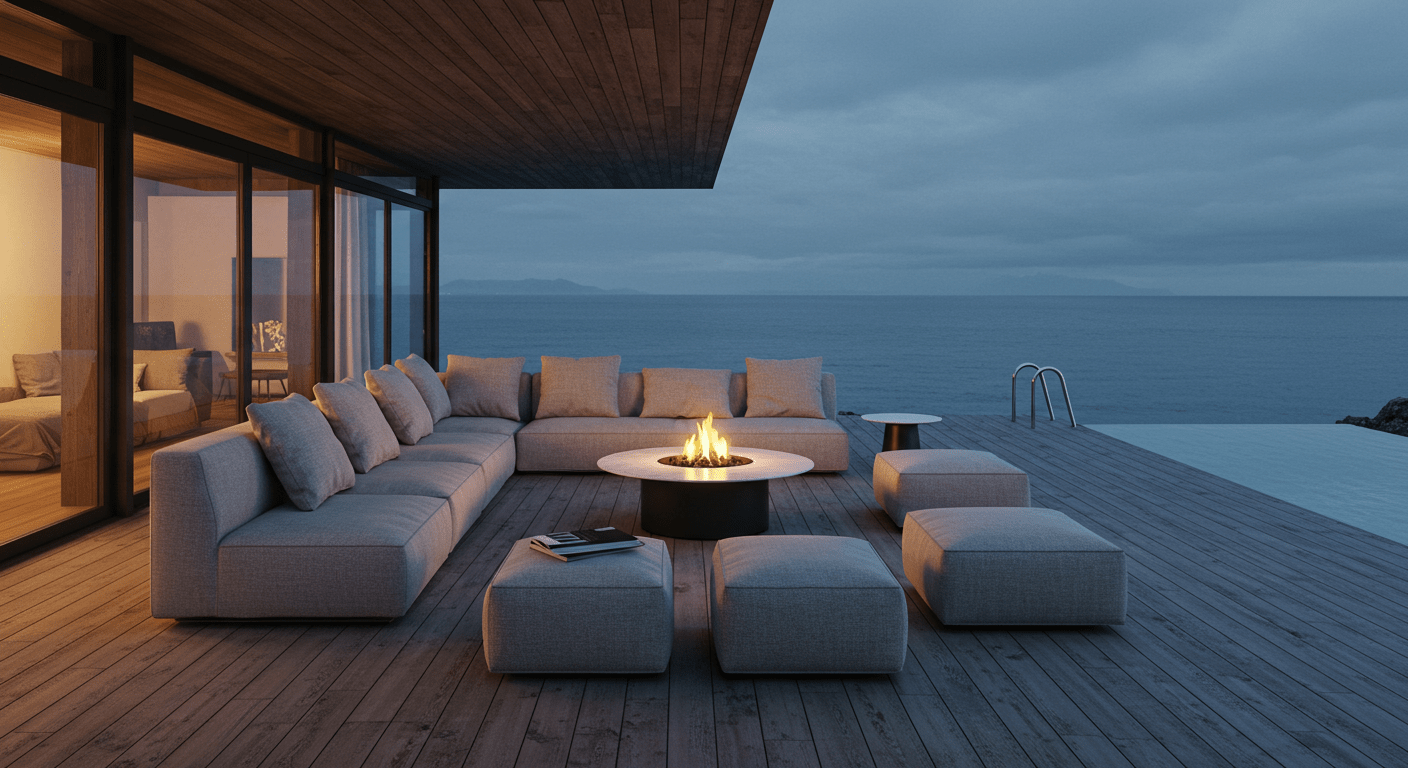
Choose poolside layouts when you want a dramatic contrast between cool water and warm flame. Position fire tables 10–15 feet from the pool edge to prevent splash interference and create defined lounge zones. Specify 304 stainless steel or GFRC construction rated for 50,000+ guest interactions. Chlorine and moisture accelerate corrosion, making material selection critical for longevity.
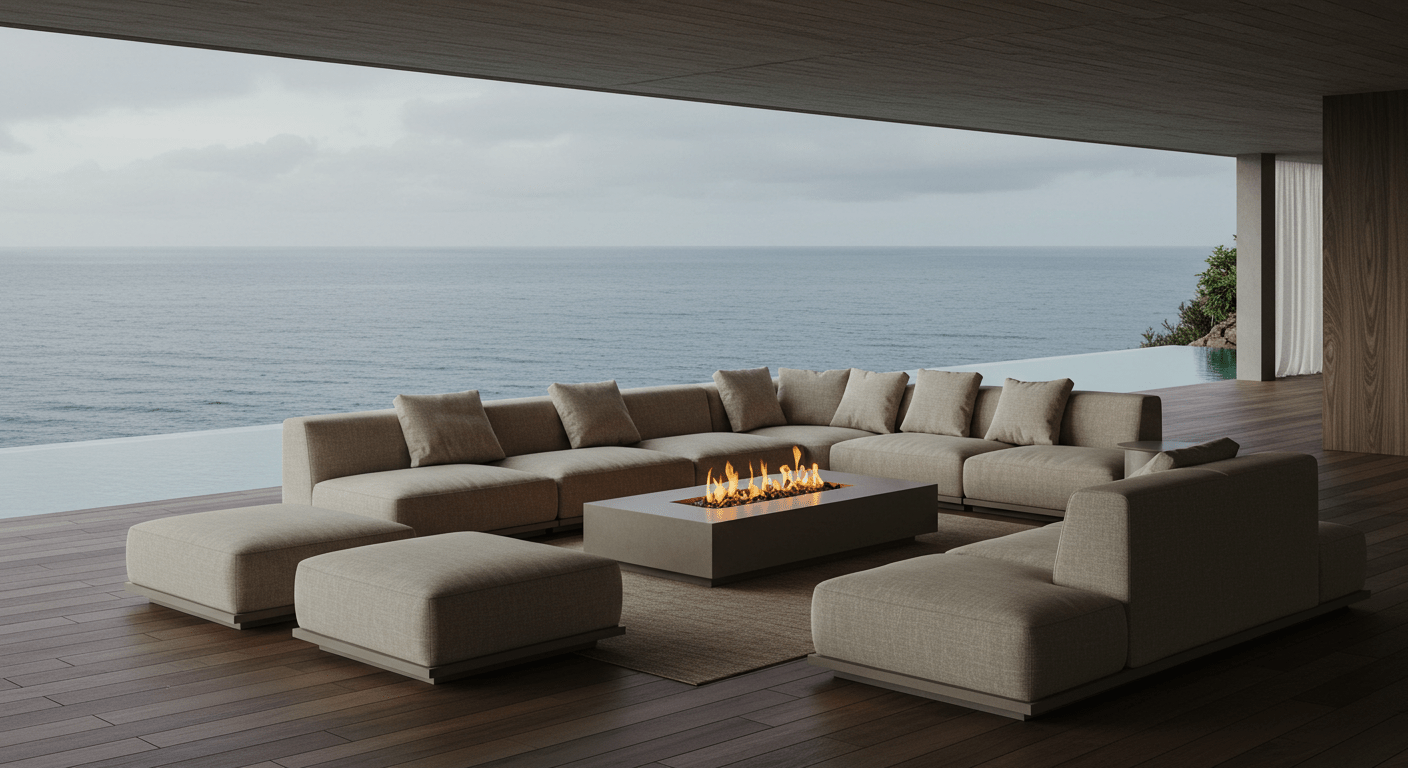
Choose rooftop configurations when views and sightlines matter most. Linear fire tables work best here because they delineate zones without blocking panoramic views. Rooftops present the highest wind exposure of any venue type, so structural load assessments are mandatory before installation. Budget for enhanced anchoring and wind guards.
Choose terrace or courtyard settings when natural wind protection is available. Pergolas and covered structures require at least 50% open overhead area with two open sides for cross-ventilation to meet code. Mature trees providing 30–50% shade coverage create ideal summer conditions by reducing solar heat gain while maintaining required airflow.
Should You Use One Statement Fire Table or Multiple Smaller Tables for Summer Events?
Scale your fire table configuration to match event programming and space dimensions.
Single statement pieces work best for grand entrances and focal-point positioning. Commercial fire tables typically range from 48–72 inches, with linear designs serving as effective visual anchors that define large open spaces. One dramatic installation can anchor an entire venue and simplify fuel management.
Choose multiple smaller tables when flexibility and zone control matter. The Vespera Resort model demonstrates a tiered approach: small firepits seat 4 guests, medium units seat 6, and large configurations accommodate 8. This setup lets properties match capacity to actual attendance. Implement zone heating by activating only tables in occupied seating areas. This approach reduces both fuel consumption and unnecessary heat output during warm evenings.
How Do Guest Count and Circulation Zones Shape Fire Table Placement in Warm-Weather Settings?
Clearances and traffic flow determine safe, comfortable layouts. Summer settings require wider spacing than winter configurations.
Maintain 60-inch service corridors for staff movement and 5-foot minimum pathways between fire table clusters. Fire edge to seat distance should measure 22–24 inches for safety. Summer seating radius expands to 4–6 feet from the fire table compared to the 2–4 feet typical in winter. This extra distance prevents heat discomfort when ambient temperatures are already elevated.
Furniture selection affects dwell time directly. Deep-seated lounge pieces encourage guests to stay longer than upright dining chairs. Specify modular configurations so staff can quickly adapt arrangements for different group sizes and event types without repositioning fire tables themselves.
What Should You Plan Before Installing or Staging Fire Tables for Summer Events?
Pre-event planning prevents safety violations and operational problems. Fire table safety requirements involve specific clearances, material specifications, and code compliance that vary by jurisdiction and venue type. Address these factors before guests arrive, not during setup.
What Spacing, Seating Clearance, and Service Aisles Should You Measure First?
Code-mandated clearances govern every commercial fire table installation. These measurements are non-negotiable.
NFPA 1 and IFC require 15 feet of operational clearance from structures. Combustible walls need 36 inches minimum separation. Combustible ceilings and overhangs require 10 feet of clearance. Gas fire tables need at least 72 inches (6 feet) of overhead clearance, with 7–10 feet being ideal for heat dispersal and guest comfort.
Vegetation clearance is often overlooked during summer events. Maintain 21 feet from landscaping, decorative plants, and overhanging branches. Position a Class B fire extinguisher within 30 feet of each fire table. Document all measurements before event day and keep records accessible for fire marshal inspections.
How Do Wind, Humidity, and Coastal Conditions Affect Summer Fire Table Performance?
Environmental factors significantly impact flame stability, fuel efficiency, and equipment longevity.
Choose glass wind guards for any exposed location. Wind guards reduce fuel consumption by approximately 50% while maintaining a consistent flame appearance. They are non-negotiable for beachfront installations where constant airflow would otherwise destabilize flames or increase gas usage dramatically.
Choose higher BTU units for coastal and windy climates. Standard summer settings of 20,000–40,000 BTU may prove insufficient. Coastal properties often need 60,000–90,000 BTU capacity to maintain visible flames against persistent breezes. Rooftop venues present the highest wind exposure and may require anchoring systems, especially in seismically active regions.
Salt air accelerates corrosion on metal components. Specify 304 stainless steel or GFRC construction for any property within five miles of saltwater. Standard materials will degrade rapidly, increasing maintenance costs and shortening equipment lifespan.
What Safety, Staffing, and Local Code Checks Should Be Completed Before Event Day?
Compliance requirements span federal standards, local codes, and property-specific protocols. Start early.
NFPA 1 and IFC Section 307.4.3 govern commercial fire table installations. Natural gas systems fall under NFPA 54, which mandates annual professional inspection by a licensed technician. Verify that all units meet ANSI Z21.97 or CSA 2.41 listing standards for outdoor decorative gas appliances. Electronic ignition systems with flame-sensing safety shut-offs are required for commercial use.
Staff training covers both routine operation and emergency response. Train team members to monitor guest seating positions and adjust flame output when ambient temperatures exceed 80°F. Establish regular checks of gas connections, ignition systems, and burner ports as part of pre-service routines. Consult your local Authority Having Jurisdiction—typically the fire marshal and building department—before installation rather than after. Early engagement prevents costly modifications and event-day surprises.
How Do Custom Fire Tables Strengthen Resort Branding and Upscale Guest Experiences in Summer?
Custom fire tables transform functional amenities into brand statements. Material selection, design details, and programming packages differentiate properties competing for the same guest segments. The investment in luxury outdoor furniture pays returns through premium pricing, social visibility, and repeat bookings.
How Can Materials, Finishes, and Shapes Match Your Property's Warm-Weather Design Aesthetic?
Material choice affects both aesthetics and lifecycle costs. Match selections to your property's design language and maintenance capacity.
Consider lifespan when budgeting. Stainless steel lasts 15+ years, GFRC delivers 18+ years, poured concrete reaches 20+ years, Corten steel provides 25+ years, and granite tops the range at 30+ years. Higher upfront costs often yield better long-term value through reduced replacement cycles.
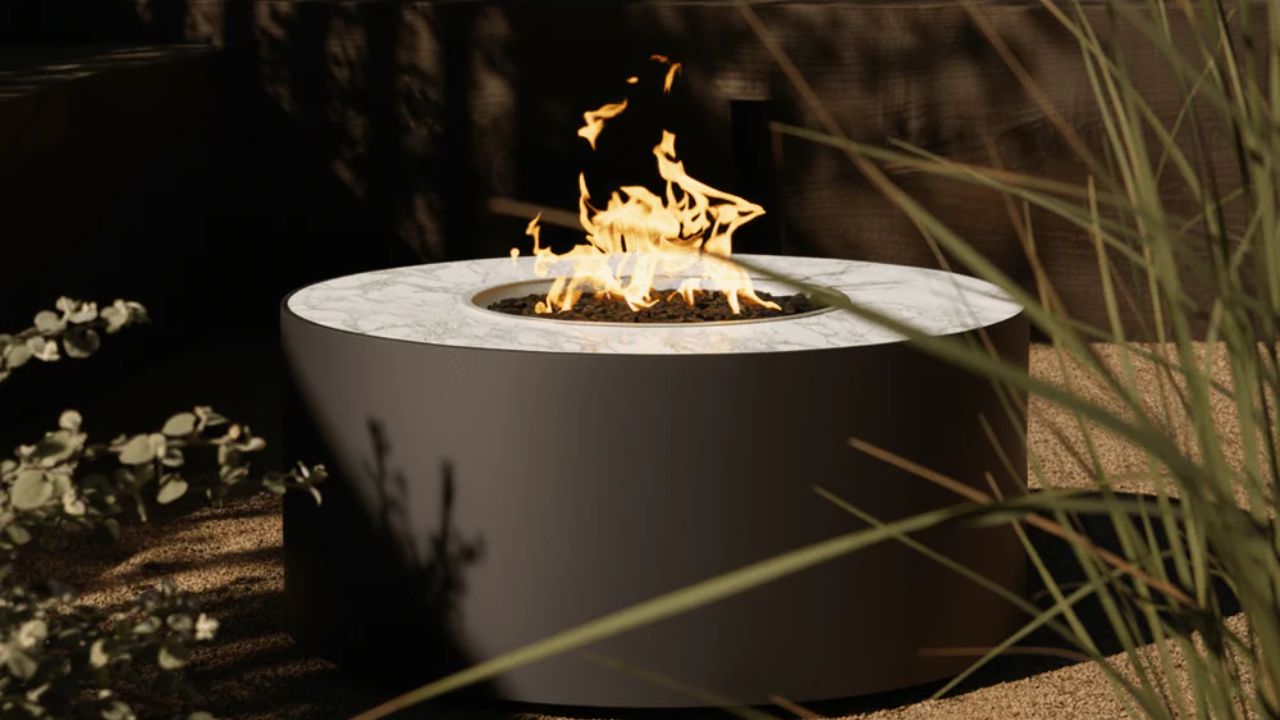
Choose light-colored table surfaces for summer installations. Light finishes reflect solar radiation, keeping surfaces cooler to the touch during daytime hours when direct sun heats dark materials uncomfortably. Pair fire tables with solution-dyed acrylic fabrics like Sunbrella for surrounding seating. These UV-resistant, breathable materials maintain comfort and appearance through intense summer sun exposure.
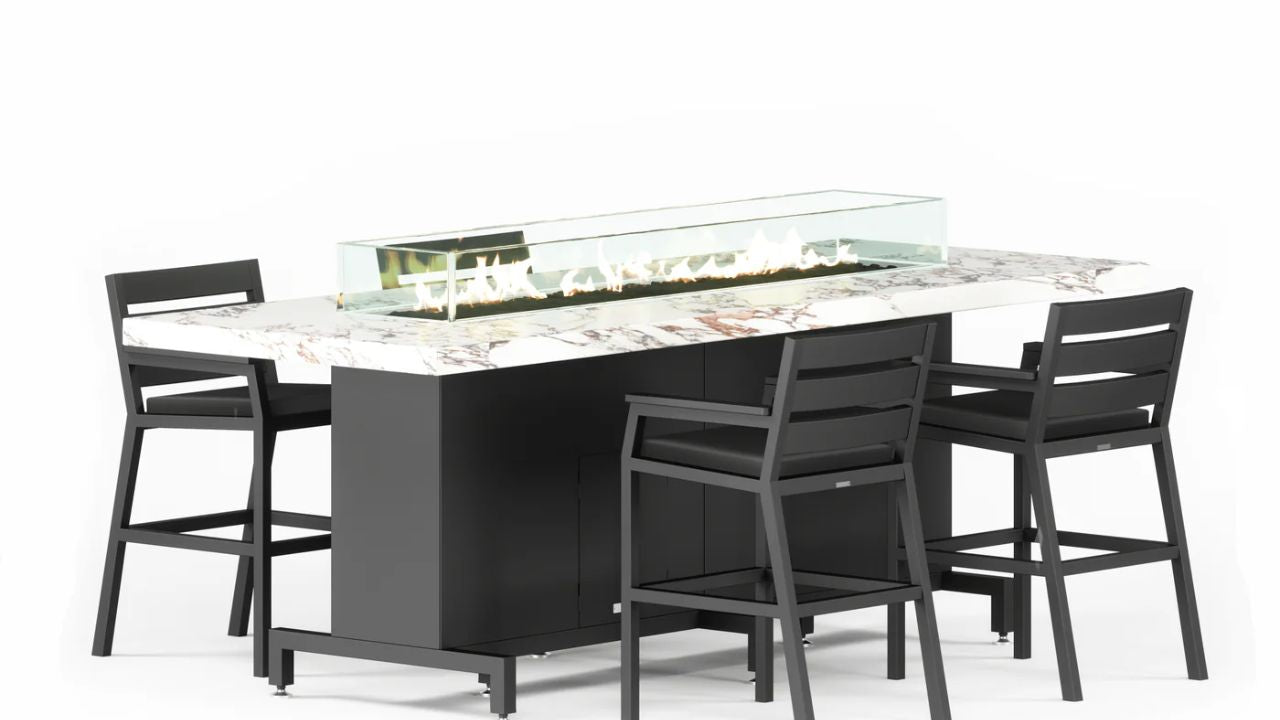
Choose counter-height tables (36 inches) over lounge-height options (18–24 inches) when heat dispersal matters. The elevated flame sits further from seated guests, reducing radiant heat perception during warm evenings.
Why Do Signature Fire Table Moments Improve Social Sharing and Event Marketing?
Distinctive fire table programming generates organic marketing reach that paid advertising cannot replicate.
Reflective fire glass creates a jewel-like visual effect that photographs exceptionally well in low light. This aesthetic drives the 67% appearance rate of fire features in property-tagged Instagram posts. Properties that stage photogenic fire table moments benefit from guest-generated content that reaches new audiences without media spend.
Leading resorts monetize this appeal through tiered experiences. Fairmont Scottsdale Princess operates four distinct fire table venues, each with unique pricing and service packages including s'mores platters, VIP tableside service, and express wristbands. The Gant in Aspen created a "Diamond Dome" experience commanding a $250 food and beverage minimum for groups of 6–8. Both properties emphasize "experience the magic" messaging—ambiance over heat—in summer marketing.
How Can Premium Fire Table Installations Support Repeat Bookings and Higher-Value Summer Events?
Fire table investments deliver measurable financial returns across multiple revenue streams.
Room revenue benefits directly. Properties report a 42% ADR (Average Daily Rate) premium on rooms with fire table views or terrace access. Food and beverage operations capture additional margin through premium pricing for fire table seating, typically $25–50 per table above standard rates. The Grand View Hotel documented a 30% guest satisfaction increase after installation, with notable growth in weekend bookings during shoulder seasons when fire tables operate at peak appeal.
ROI metrics support the capital case. Outdoor fire features generate 78% return on investment across documented installations. Break-even periods range from 4–8 months for properties with aggressive programming and premium pricing to 9–18 months for typical implementations. These timelines make fire tables among the fastest-returning outdoor amenity investments available to commercial hospitality properties.
What's the Best Way to Protect Your Commercial Fire Table Investment?
Commercial fire tables face unique stresses during the summer months. UV radiation, humidity, salt exposure, and heavy guest traffic accelerate wear on components and finishes. Proactive maintenance and smart fuel-type selection protect your investment and minimize downtime during peak revenue season.
How Do UV Exposure, Salt Air, and Summer Storms Affect Commercial Fire Tables?
Environmental factors degrade fire table components at different rates depending on material quality and location.
Choose 304 stainless steel or GFRC construction for demanding environments. Both materials withstand 50,000+ guest interactions in pool-adjacent and coastal settings without significant degradation. Salt air and chlorine accelerate corrosion on standard metals, making marine-grade specifications essential for any beachfront property. Budget for premium materials upfront rather than frequent replacements.
UV exposure impacts the surrounding furniture more than the fire table bodies. Specify solution-dyed acrylic fabrics like Sunbrella for seating—these resist fading through multiple summer seasons of direct sun exposure. Light-colored fire table surfaces prevent excessive heat absorption during daytime hours, keeping touch surfaces comfortable and reducing thermal stress on internal components.
What Cleaning, Covering, and Maintenance Routines Should Resorts Follow During Peak Season?
Structured maintenance schedules prevent equipment failures during high-occupancy periods.
Daily checks should include visual inspection of burner condition, flame color, and the surrounding area. Healthy flames burn blue; yellow or orange coloration indicates incomplete combustion requiring immediate attention. Weekly tasks cover cleaning burner ports, checking gas connections, and inspecting fire glass or media for debris and damage.
Monthly routines verify flame color consistency, check for gas leaks using approved detection methods, and confirm ventilation pathways remain unobstructed. Annual professional inspection by a licensed technician ensures NFPA 54 compliance and structural integrity assessment. Expect annual operating costs between $1,500–$3,200 per fire table, representing roughly 1–2% of the initial installation cost. This maintenance investment protects equipment value and prevents mid-season failures.
When Should You Choose Portable Setups, Fixed Installations, or Seasonal Storage Plans?
Fuel type determines flexibility, operating costs, and infrastructure requirements. Match your choice to programming needs and venue constraints.
Choose propane when repositioning matters. Propane units offer high portability, letting properties adjust layouts seasonally for changing wind patterns, shade availability, or event configurations. A standard 20 lb tank provides 8–20 hours of burn time depending on BTU output. The trade-off is ongoing tank management and refill logistics.
Choose natural gas for permanent high-volume installations. Fixed gas lines eliminate fuel monitoring and deliver the lowest ongoing operating cost. However, installation requires professional work, permits, and inspections. Once positioned, the fire table stays where the gas line ends.
Choose bioethanol when flexibility and experimentation take priority. Bioethanol units require no gas lines, permits, or infrastructure investment. Properties can test fire table programming concepts and placement strategies before committing to permanent installations. This approach reduces risk for properties uncertain about optimal configurations.
How Can You Finalize the Best Summer Fire Table Setup for Hotel and Resort Events?
Final planning requires balancing guest comfort against operating costs and ambient conditions. Use temperature-based guidelines and investment benchmarks to make data-driven decisions.
What Checklist Helps You Compare Layout Goals, Guest Comfort, and Operating Costs?
Adjust BTU output and seating distance based on ambient temperature:
|
Ambient Temp |
BTU Setting |
Flame Height |
Seating Distance |
Cooling |
|
65–70°F |
30,000–40,000 |
6–8 inches |
4–5 feet |
Optional |
|
70–75°F |
20,000–30,000 |
4–6 inches |
5–6 feet |
Recommended |
|
75–80°F |
15,000–25,000 |
3–5 inches |
5–6 feet |
Misting active |
|
80–85°F |
10,000–20,000 |
2–4 inches |
6–8 feet |
Misting + shade |
|
>85°F |
Minimum/off |
Decorative only |
N/A |
Not recommended |
Budget by installation tier: entry-level units run $2,000–$2,500, mid-range commercial installations cost $20,000–$25,000, including gas lines and furniture, and high-end luxury units start at $15,000+ each. Ata $1,4000 monthly revenue gain, expect break-even around 14 months.
Which Next Steps Help Your Team Deliver Smoother Setups and More Memorable Warm-Weather Events?
Integrate cooling systems for temperatures above 75°F. High-pressure misting (800–1,500 PSI) reduces perceived temperature 10–30°F. Evaporative coolers achieve a 14–22°F reduction at approximately $1 per day operating cost.
Train staff to read behavioral cues—guest migration away from flames signals discomfort requiring immediate adjustment. Frame flame modifications as personalized service rather than reactive corrections. Install smart controls with ambient temperature sensors that auto-reduce BTU output when conditions exceed 80–85°F.
Prioritize shoulder season activation in May, September, and October. These months deliver the highest ROI, with September often outperforming peak summer. Position fire tables strategically near pools or fountains to leverage passive evaporative cooling that creates comfortable microclimates without additional equipment cost.
Transform Your Summer Events With the Right Fire Table Partner
Summer fire table success comes down to execution—lower BTU settings, strategic placement, proper clearances, and programming that prioritizes ambiance over heat. The properties seeing 69% RevPAU increases and 42% ADR premiums are those treating fire tables as year-round revenue generators, not seasonal accessories.
At Cooke Furniture, we specialize in commercial fire table solutions built for resort and hotel environments. From material selection and layout planning to safety compliance and maintenance protocols, we help properties maximize guest experience and ROI through every season.
Cooke's commercial team helps hospitality operators identify the best fire pit tables for hotels based on seasonal programming goals, guest demographics, and property aesthetics. Contact us today to discuss your summer fire feature strategy and explore solutions engineered to meet your unique operational requirements and revenue objectives.