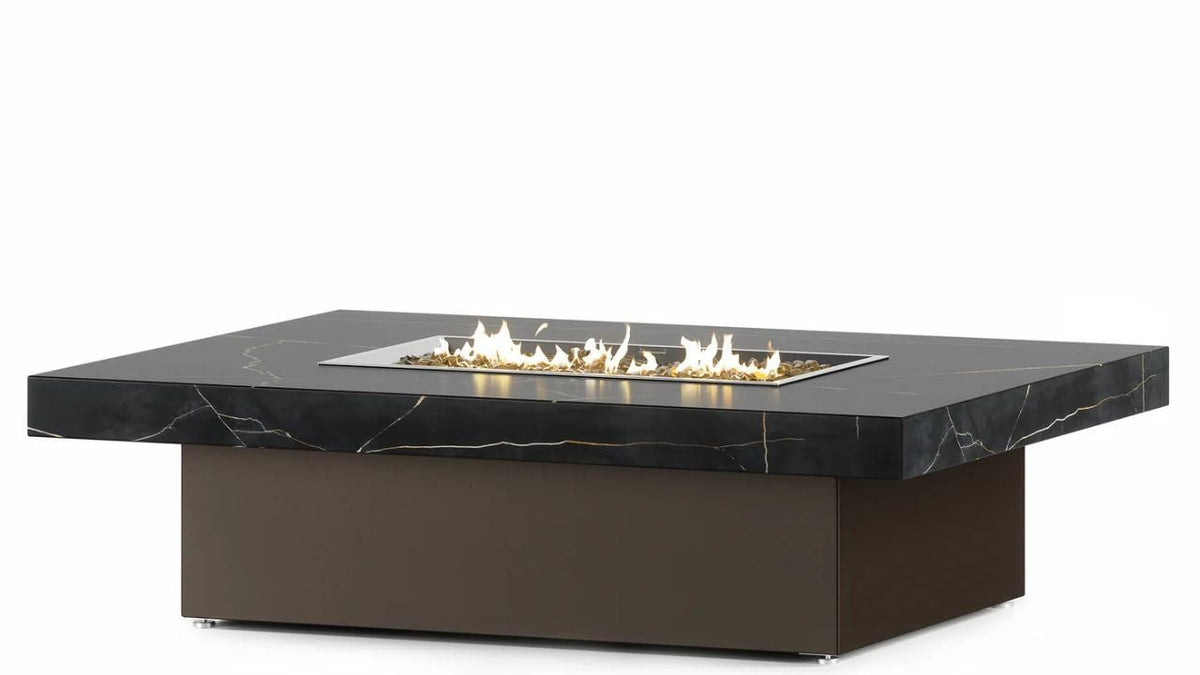
Identifying Quality in Commercial Fire Tables: What Property Managers Should Look For
Key Takeaways
- Commercial fire table quality is defined by certification compliance, commercial-grade materials, and lifecycle durability, not just appearance, because hospitality use demands safer and more robust construction than residential products.
- Property managers should verify key quality indicators such as ANSI/CSA certification, proper UL/CSA listings, full-penetration welds, adequate material thickness, cast stainless burners, and reliable ignition systems before purchase.
- Safe rooftop and patio use depends on more than product selection, requiring code-compliant clearances, ventilation, structural load verification, licensed installation, and documentation that satisfies insurance and local authorities.
- Comparing performance and serviceability should include ignition cycle ratings, flame consistency, weather resistance, maintenance access, replacement part availability, warranty terms, and vendor support resources such as technical documentation and design files.
- Red flags like vague specifications, missing certifications, weak warranty language, and poor technical support often signal residential-grade products being marketed for commercial use, which can lead to early failure and higher total ownership costs.
Property managers evaluating luxury fire pits for commercial outdoor spaces face a critical procurement decision with long-term financial consequences. The difference between a fire table that performs reliably for 15 years and one that fails within 3 comes down to recognizing quality indicators before committing purchase orders. Commercial hospitality applications demand entirely different standards than residential use: higher certifications from recognized testing bodies, heavier gauge construction throughout, and components engineered for continuous daily operation rather than occasional weekend enjoyment. This guide covers the craftsmanship markers, safety requirements, and specification guidelines that separate lasting investments from costly mistakes requiring premature replacement. Understanding these benchmarks protects both your capital expenditure and the guest experiences your property's reputation depends upon.
What Defines Quality in a Commercial Fire Table for Hotels, Resorts, and Shared Properties?
Quality in commercial fire tables comes down to three factors: certification compliance, material specifications, and lifecycle durability. Residential units may look similar, but they lack the engineering required for hospitality environments. Recognizing the difference prevents procurement failures that create safety risks and replacement costs within years of installation.
How Is Commercial-Grade Quality Different from Residential-Grade Quality?
Commercial fire tables require ANSI Z21.97/CSA 2.41 certification for legal installation in hospitality settings. Residential units often lack these mandated certifications entirely. This distinction matters for fire table safety, insurance compliance, and code inspections.
Hospitality-grade units carry 50-year structural guarantees versus typical 2–5 year residential warranties. Construction uses marine-grade 316 or 304 stainless steel and architectural stone designed for 24/7 use. Electronic ignition systems with flame-sensing shut-offs are required in commercial environments where staff monitoring is intermittent. These specifications reflect the operational demands of high-quality outdoor installations serving hundreds of guests weekly.
Choose commercial-grade units if your property operates in high-traffic environments or requires code compliance for insurance. Choose residential-grade only for truly private, occasional-use applications without certification requirements.
Which Quality Indicators Matter Most at First Review?
The most reliable craftsmanship markers appear in construction fundamentals, not aesthetics. Full-penetration welds indicate superior durability compared to bolted joints that loosen under thermal cycling. Material thickness should meet minimums: 14-gauge stainless steel or 3/16–1/4 inch steel plate for frames.
Burner construction separates quality tiers. Cast stainless steel outperforms stamped steel with BTU consistency within ±5% across the flame pattern. Ignition system reliability should carry 10,000+ cycle ratings for electronic spark mechanisms. These fire pit safety tips apply whether evaluating standard models or luxury outdoor furniture lines—the engineering standards remain constant regardless of design aesthetic.
Why Should Property Managers Evaluate Lifecycle Value Instead of Upfront Price Alone?
Initial investment ranges from $5,000–$25,000, but the total cost of ownership spans a 10–15 year commercial lifespan. This long-term view changes procurement calculations significantly. Annual maintenance costs run $400–$1,200, depending on climate exposure and usage intensity.
Properties with fire features report 78% overall ROI on investment. Real estate with fire amenities gains 5–8% value premiums and sells 4% faster than comparable properties. These returns justify higher upfront costs for commercial deck fire table guidelines compliance and premium materials. A $15,000 unit lasting 15 years costs less annually than a $6,000 unit requiring replacement at year 5.
Which Materials and Construction Details Signal a High-Quality Commercial Fire Table?
Material selection determines durability, maintenance burden, and appearance retention in commercial installations. Surface-level aesthetics fade quickly under hospitality conditions. The craftsmanship markers that matter most are invisible to casual inspection—alloy grades, coating specifications, and concrete formulations that separate 5-year failures from 20-year performers.
What Burner and Frame Materials Hold Up Best in High-Use Outdoor Environments?
Grade 304 stainless steel is the industry standard for commercial fire table frames. This alloy resists corrosion across weather conditions, including sun exposure, rain, snow, and temperature cycling. BTU output varies by application: 80,000 BTU suits intimate dining tables, while 250,000 BTU serves large communal installations.
Regional requirements add complexity. California installations require seismic bracing. Arizona and Florida coastal properties need wind-resistant anchoring. These commercial deck fire table guidelines vary by jurisdiction and should be confirmed with local authorities before specification.
Choose 304 stainless steel for standard climates with moderate weather exposure. Choose 316 marine-grade stainless steel when installations face coastal salt air, chlorinated pool proximity, or extreme humidity. The upfront premium prevents corrosion failures within 3–5 years.
How Do Finish Quality, Weld Quality, and Fit-and-Finish Reveal Long-Term Durability?
Powder coating specifications separate high-quality outdoor units from budget alternatives. Minimum acceptable thickness is 2–3 mil with AAMA 2604 certification for UV and weather resistance. Finish options include brushed, electro polish, copper, and custom powder coats—all should meet this baseline standard.
Concrete surrounds require specific formulations for outdoor longevity. Ultra-High Performance Concrete exceeds 150 MPa compressive strength, resisting cracking, fading, and weathering across decades. Glass Fiber Reinforced Concrete offers similar durability with reduced weight—useful for rooftop applications where load limits apply. These quality fire table signs appear in specification sheets, not marketing materials. Request technical documentation before purchase.
Which Tabletop and Surround Materials Balance Luxury Appearance with Commercial Wear Resistance?
Premium outdoor tables with fire pit features use natural stone, porcelain, or stainless steel alloy surfaces. Each material offers different aesthetic and maintenance profiles. Architectural stone and porcelain are specified for high-traffic hospitality environments where guests interact directly with surfaces.
Material selection affects both design integration and replacement cycles. Luxury outdoor furniture lines often offer multiple surface options within the same frame design. Prioritize materials matching existing property aesthetics while meeting fire table safety requirements. Initial quality investment eliminates refinishing costs and maintains brand presentation standards across the installation lifespan.
Are Fire Tables Safe to Use on Rooftop Decks and Commercial Patios?
Fire tables are safe for rooftop and patio installation when proper certifications, clearances, and installation standards are met. The question is not whether fire tables can be used in these locations—it is whether specific units meet commercial deck fire table guidelines for your jurisdiction. Certification verification and code compliance protect properties from liability exposure and insurance complications.
Which Certifications and Listings Should Property Managers Verify Before Purchase?
CSA approval, UL listing, and ANSI Z21.97 compliance are baseline fire table safety requirements for commercial installation. Units lacking these certifications cannot be legally installed in most hospitality environments, regardless of aesthetic appeal or price point.
Code requirements extend beyond product certification. NFPA 1 (Section 10.11.3) and IFC (Section 307.4.3) mandate 15-foot operational clearance from structures or combustibles. These codes often override manufacturer specifications. Wind rating certifications are essential for exposed rooftop locations. ADA accessibility considerations apply to all public hospitality spaces. Verify all applicable certifications before purchase—not during installation when changes become costly.
How Do Clearance, Ventilation, and Installation Requirements Affect Safe Rooftop or Patio Use?
Clearance requirements are non-negotiable. Position fire tables 10–25 feet from structures, 21 feet from vegetation, and maintain 7–10 feet overhead clearance. These fire pit safety tips apply universally across jurisdictions, though local amendments may impose stricter standards.
Pergola installations require additional calculations. Units producing ≤200,000 BTU need 7-foot (84 inches) minimum vertical clearance. Units exceeding 200,000 BTU require 10-foot (120 inches) vertical clearance to prevent heat accumulation. Pergolas must maintain at least 50% open overhead area and two open sides for cross-ventilation. These specifications determine whether outdoor tables with fire pit features can be installed under existing structures or require open-sky placement.
What Quality Features Reduce Operational Risk in Windy or High-Traffic Commercial Settings?
Electronic ignition systems with automatic flame-sensing shut-offs prevent gas accumulation during wind-caused flame-out events. This quality fire table sign separates commercial units from residential alternatives, lacking this safety feature.
Weight and anchoring matter for rooftop applications. Commercial fire tables weigh 300–800 lbs, requiring structural verification before installation. Wind-resistance features and proper anchoring are mandated in coastal and high-wind regions. High-quality outdoor installations include ADA-compliant layouts with 48-inch clear circulation paths around fire features. These requirements apply to luxury outdoor furniture and standard commercial units equally.
How Can Managers Confirm Installers and Equipment Meet Code and Insurance Expectations?
All gas line connections must be performed by licensed professionals following NFPA 54 requirements. This is non-negotiable for insurance coverage and code compliance. Cutting corners on installation voids warranties and creates liability exposure.
Consult Authorities Having Jurisdiction early to identify local code amendments before finalizing specifications. Electrical requirements include 120V, 15-amp switched power for electronic ignition systems. Document all certifications, permits, and installation compliance paperwork. Insurance carriers require this documentation during claims review. Proper documentation also supports property value assessments when fire amenities contribute to commercial real estate premiums.
How Can Property Managers Compare Performance, Maintenance, and Serviceability Before Buying?
Performance comparisons reveal manufacturer quality beyond marketing claims. Asking the right questions about ignition systems, warranties, and vendor support exposes which units will deliver reliable operation and which will create maintenance headaches. These comparisons identify craftsmanship markers that predict long-term satisfaction.
What Should You Ask About Ignition Systems, Flame Consistency, and Weather Resistance?
Electronic spark ignition, rated for 10,000+ cycles, outperforms pilot light systems in reliability and fuel efficiency. This specification appears in technical documentation—request it if not prominently displayed. BTU consistency should remain within ±5% for uniform flame presentation across the burner pattern.
Fuel type affects both operation and placement flexibility. Natural gas offers a continuous supply without tank management. Propane provides placement flexibility for locations without gas infrastructure. Gas line sizing must match BTU output—a 250,000 BTU unit requires larger supply lines than an 80,000 BTU table. Confirm utility requirements before finalizing specifications to avoid installation delays.
Choose natural gas if your property has existing gas infrastructure and permanent installation locations. Choose propane if you need placement flexibility or lack natural gas service to outdoor areas.
How Do Maintenance Access, Replacement Parts, and Warranty Terms Reflect Product Quality?
Warranty coverage benchmarks indicate manufacturer confidence. Quality fire table signs include 5–10 year structural warranties and 2–5 year component coverage. Shorter terms suggest lower-grade materials or construction shortcuts that will surface during commercial use.
Premium manufacturers provide detailed spec sheets covering dimensions, materials, fuel types, and optional features. This documentation supports fire table safety compliance and simplifies maintenance planning. Fire media placement guidelines—such as 1/4" fire glass base layer specifications—indicate attention to operational details. Availability of fire table accessories and replacement parts directly affects long-term serviceability. Ask about part lead times and stocking policies before purchase. High-quality outdoor installations depend on responsive service when components require replacement.
Which Questions Help Compare Vendor Support, Lead Times, and Post-Installation Service?
Vendor support quality separates transactional suppliers from professional partners. Leading manufacturers offer direct consultation, design assistance, and custom solutions for hospitality applications. This support level matters for luxury outdoor furniture projects requiring coordination with architects and designers.
Access to CAD drawings, Revit BIM files, and 3D modeling files indicates professional-grade vendor support. These resources streamline integration with broader design documentation. CSI MasterFormat Division 32 39 16 provides a standardized specification framework for outdoor tables with fire pit features—vendors familiar with this standard understand commercial procurement requirements. Continuing education programs from manufacturers signal long-term partnership commitment rather than a one-time sales focus. These fire pit safety tips extend beyond product selection to ongoing operational support.
What Common Red Flags Suggest a Commercial Fire Table May Underperform or Fail Early?
Recognizing warning signs during evaluation prevents costly procurement mistakes. Missing documentation, vague specifications, and inadequate vendor support indicate units built for residential occasional use—not commercial hospitality demands. These red flags predict maintenance problems, safety concerns, and premature replacement costs.
Why Are Vague Specs and Missing Certifications Warning Signs?
Absence of ANSI Z21.97/CSA 2.41 certification disqualifies units for commercial installation in most jurisdictions. No certification means no legal installation—regardless of price or appearance. This fire table safety requirement is non-negotiable.
Missing BTU ratings, clearance specifications, or material grades indicate inadequate engineering documentation. Legitimate commercial manufacturers provide complete technical specifications because hospitality buyers require them. Vague product pages suggest residential-grade construction marketed to commercial buyers. Avoid bioethanol units for commercial applications due to documented safety risks. Lack of compliance documentation creates liability exposure with Authorities Having Jurisdiction and commercial insurers. If a vendor cannot provide certification paperwork, the unit does not meet commercial deck fire table guidelines.
How Can Low-Grade Components Create Hidden Costs in Commercial Use?
Component quality determines operational lifespan. Stamped steel burners fail faster than cast stainless steel under continuous commercial cycling. This craftsmanship marker separates quality fire table signs from budget alternatives that look similar initially.
Insufficient material thickness accelerates corrosion and structural degradation in outdoor environments. Units without proper weather resistance require premature replacement, negating initial cost savings. The financial impact extends beyond replacement costs. Properties report 30% higher guest check sales with quality outdoor tables with fire pit features. Underperforming units forfeit this revenue potential while still requiring maintenance expenditure. Low upfront cost often creates higher total ownership cost across a 10-year evaluation period.
What Proposal or Product-Page Details Often Indicate Poor Long-Term Support?
Vendor support quality appears in documentation availability. Missing manufacturer technical support or specification guides suggests limited commitment to commercial customers. Professional hospitality buyers expect complete submittal data, shop drawings, and installation documentation. Absence indicates residential market focus.
Warranty terms reveal manufacturer confidence. Vague coverage language or missing warranty documentation predicts disputes during claims. High-quality outdoor manufacturers provide clear structural and component warranty terms matching the benchmarks outlined earlier. Lack of continuing education or design assistance programs signals transactional relationships rather than partnership-oriented vendors. Luxury outdoor furniture suppliers serving hospitality markets maintain an ongoing support infrastructure. These fire pit safety tips help identify vendors who will support installations across their operational lifespan versus those who disappear after the sale.
How Should Property Managers Make the Final Quality Decision for a Commercial Fire Table Project?
Final procurement decisions require systematic evaluation across certifications, materials, and budget alignment. Balancing brand aesthetics with fire table safety standards ensures installations deliver both guest experience and operational reliability. These steps consolidate earlier evaluation criteria into an actionable procurement workflow.
What Evaluation Checklist Should Teams Use Before Approving a Model or Custom Build?
Verify certifications first: ANSI Z21.97/CSA 2.41, CSA approval, and UL listing. Missing any baseline certification disqualifies units from commercial consideration regardless of other attributes.
Confirm material specifications against benchmarks: 304/316 stainless steel frames, minimum 14-gauge thickness, AAMA 2604 powder coating. Review structural requirements—commercial fire tables weigh 300–800 lbs, requiring load capacity verification for rooftop or deck installations. Validate clearance compliance, including 15-foot operational clearance, ventilation requirements, and 48-inch ADA circulation paths. These quality fire table signs should appear in manufacturer documentation. Units lacking complete specification data fail the evaluation regardless of aesthetic appeal or pricing.
How Can Managers Balance Brand Aesthetics, Safety Standards, and Operating Budget?
Revenue data justifies quality investment in outdoor tables with fire pit features. Fire table seating commands 20–40% pricing premiums in hospitality settings. Restaurants with outdoor fire features report 30% higher guest check sales. Properties see 69% higher Revenue Per Available Unit and 42% ADR premiums with fire amenities.
These returns accelerate payback periods to 2–4 years for hospitality properties. High-qualityy outdoor installations generate measurable revenue lift that offsets premium procurement costs. Luxury outdoor furniture serving commercial applications should meet all craftsmanship markers discussed earlier while integrating with existing brand aesthetics. Safety standards are non-negotiable—aesthetic preferences work within compliant options, not around them.
Choose premium commercial units if your property targets a luxury positioning and expectsa 10+ year operational lifespan. Choose mid-tier commercial units when budget constraints exist but safety certifications and 5+ year warranties remain requirements.
What Are the Best Next Steps Before Purchase, Installation, and Long-Term Maintenance Planning?
Consult Authorities Having Jurisdiction early to identify local code amendments. Early consultation prevents costly redesigns after procurement. Coordinate utility requirements: gas line sizing based on BTU output and electrical capacity for ignition systems. These commercial deck fire table guidelines vary by jurisdiction and installation type.
Establish maintenance protocols before installation completion. Schedule fire media inspection, ignition system testing, and finish care at appropriate intervals. Document all fire pit safety tips from manufacturer guidelines for staff training. Market projections reaching $9.6 billion by 2030 confirm sustained guest demand for fire amenities. Quality investment in fire table safety and performance positions properties to capture this demand across the installation lifespan rather than facing replacement costs as guest expectations continue rising.
Invest in Fire Tables Built for Commercial Hospitality Standards
Quality fire tables transform outdoor spaces into revenue-generating amenities. The difference between a 5-year failure and a 15-year performer comes down to the craftsmanship markers, certifications, and material specifications covered in this guide. Properties with properly specified fire features see 69% higher RevPAU and 42% ADR premiums—returns that justify investing in commercial-grade construction.
Cooke Furniture engineers the best fire pit tables for demanding hospitality environments, backing every unit with 50-year structural guarantees, marine-grade stainless steel construction, and full ANSI/CSA certification that satisfies insurance and code requirements. Our commercial team provides specification support, custom design consultation, and complete technical documentation that streamlines your procurement process and gives ownership the confidence to approve capital expenditure.
Contact us to discuss your property's requirements or explore our commercial fire table collection.