Fire Tables in Summer: Managing Heat for Guest Comfort at Commercial Properties
Key Takeaways
- Fire tables can remain effective summer amenities when operators treat them as ambiance features rather than heat sources, using lower BTU settings, shorter flame heights, and timing strategies that preserve visual appeal without adding excessive heat.
- Guest comfort in summer depends on environmental planning, including ambient temperature, humidity, wind, seating distance, table size, and patio layout, with reduced runtime or decorative-only operation often needed once conditions become too warm.
- Rooftop decks and commercial patios can safely support fire tables when operators follow clearance requirements, choose heat-tolerant materials, maintain cross-ventilation, and equip installations with proper ignition safety systems and nearby fire extinguishers.
- Summer-ready fire table zones perform best when seating layouts, shade, airflow, and cooling systems work together, such as wider seating radii, open overhead structures, wind guards, and misting or evaporative cooling where climate conditions allow.
- Strong operating results come from staff protocols and documented comfort plans, including daypart-based flame adjustments, pre-shift checks, maintenance schedules, guest cue monitoring, and performance tracking tied to revenue, satisfaction, and premium seating demand.
Fire tables create atmosphere. In winter, that atmosphere comes with welcome warmth. In summer, the equation changes. Guests still want the visual appeal and social anchor that flames provide, but they do not want additional heat on an already warm evening. This creates a specific challenge for hotels, resorts, and restaurants operating outdoor tables with fire pit features during peak season.
Summer fire table comfort depends on deliberate choices: lower BTU settings, strategic placement, integrated cooling systems, and staff protocols that respond to real-time conditions. This guide covers hot weather fire pit management from placement through service, giving commercial operators a framework for maintaining guest comfort while preserving the ambiance that drives satisfaction and revenue.
Why Do Fire Tables Still Make Sense at Commercial Properties in Summer?
Fire tables are not seasonal amenities. Properties that treat them as winter-only features leave revenue and guest satisfaction on the table during their busiest months. The key is repositioning: summer fire table comfort comes from visual ambiance, not radiant heat. When operators adjust flame output, placement, and timing, fire tables become year-round assets that define outdoor spaces and drive measurable business results.
What Guest-Comfort Goals Can Fire Tables Support Beyond Warmth?
Fire tables serve as social anchors and visual focal points regardless of temperature. Guests gravitate toward flame features for photography, conversation, and the psychological warmth that fire creates, even when physical warmth is unnecessary.
The data support this. Fire features appear in 67% of property-tagged Instagram posts, generating organic marketing reach that paid advertising cannot replicate. Guest preference surveys show 79% of hotel guests actively favor establishments with outdoor fire pits over those without. Properties that install fire tables report guest satisfaction score increases of 30–31% post-installation. These gains hold across seasons because guests respond to ambiance, not just heat output.
Choose fire tables for summer if your property prioritizes social media visibility, guest experience differentiation, or premium outdoor dining positioning. Choose alternative focal points when your outdoor space cannot accommodate safe clearances or when ambient temperatures consistently exceed 85°F during service hours.
Which Commercial Properties Benefit Most From Summer Fire Table Use?
Location type determines summer fire table viability. Properties with natural cooling advantages or flexible layouts see the strongest returns.
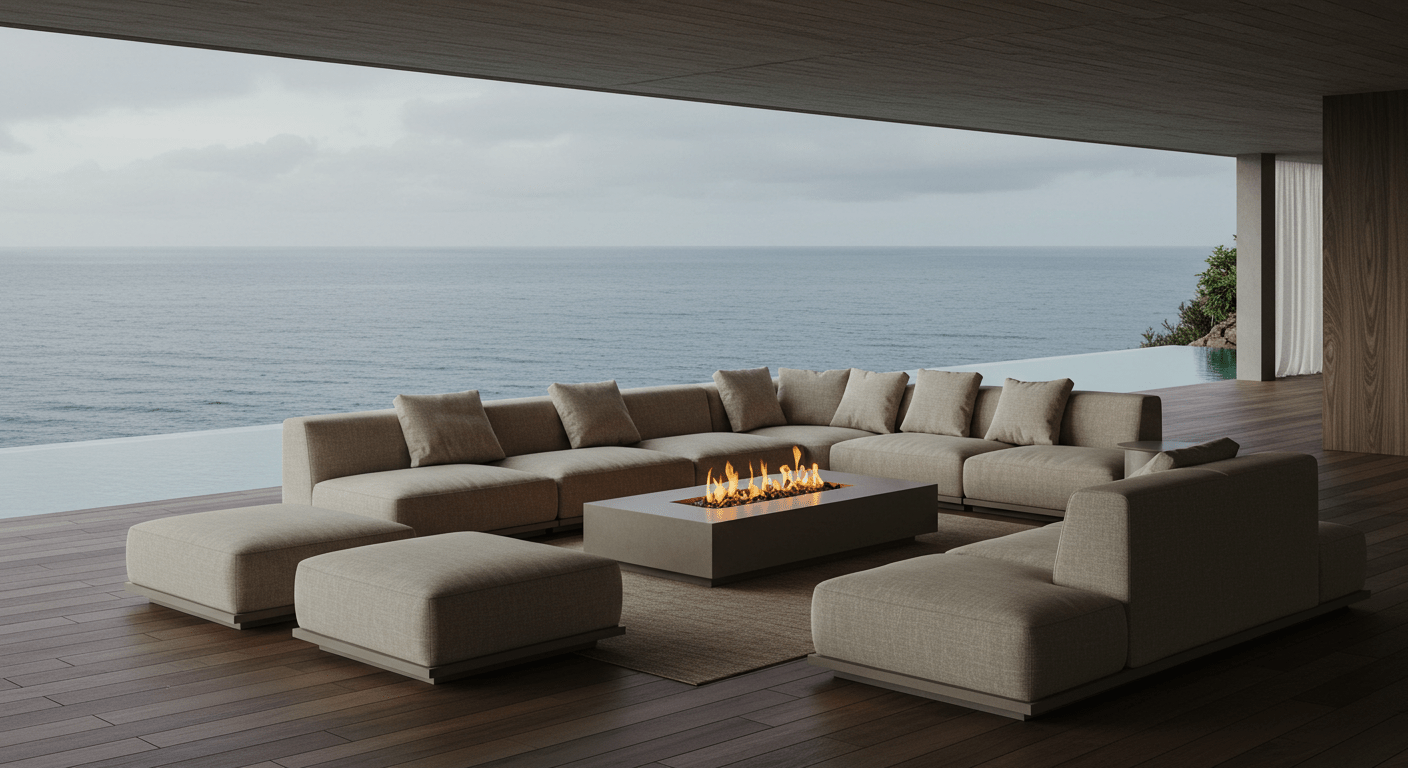
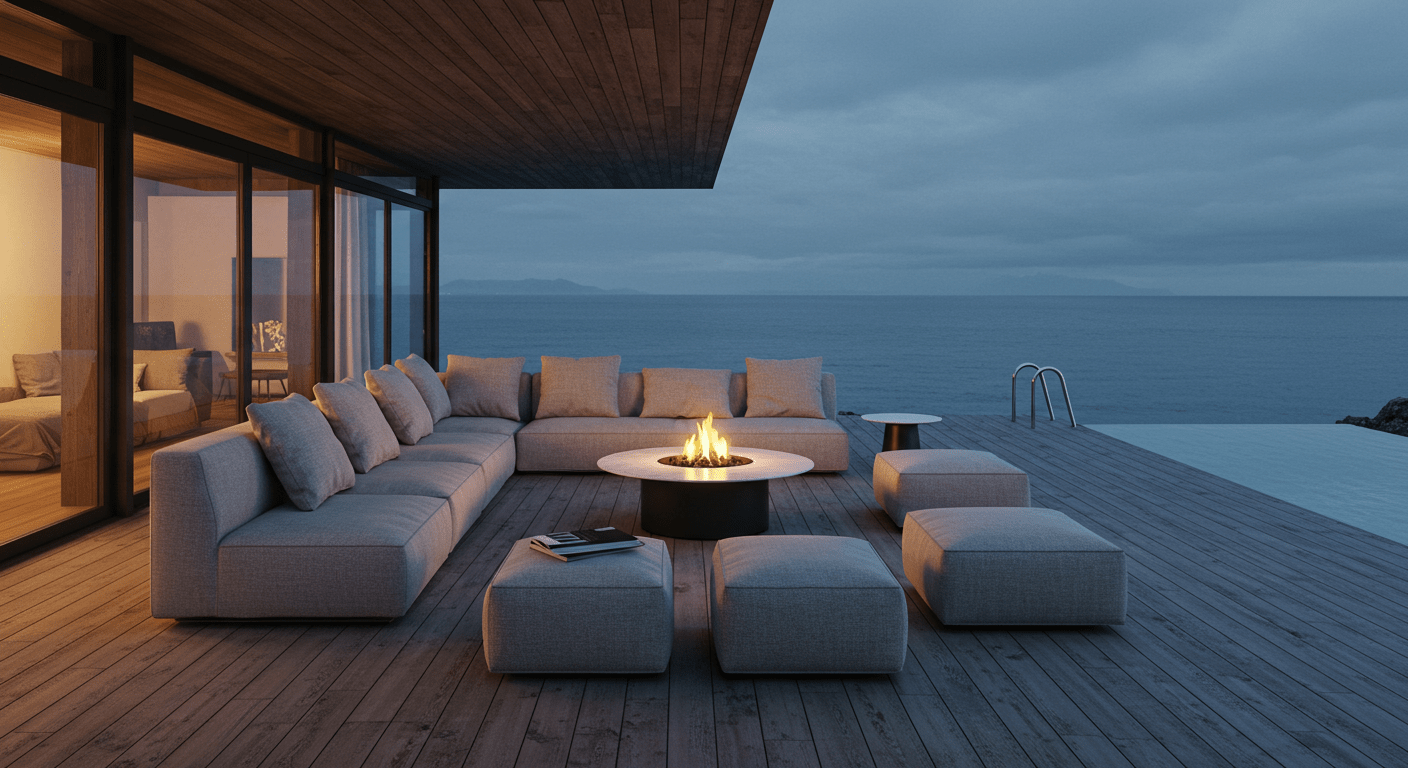
Poolside settings work well when fire tables sit 10–15 feet from the pool edge. This distance creates defined lounge zones while leveraging passive evaporative cooling from the water surface. Rooftop terraces benefit from natural airflow and unobstructed views that make evening fire table service appealing even on warm nights. Courtyards with mature tree coverage offering 30–50% shade create comfortable microclimates where reduced-output fire tables enhance rather than overwhelm the environment. Beachfront installations use ocean breezes for natural heat dissipation, making them strong candidates for luxury outdoor furniture groupings centered on fire features.
Choose poolside or beachfront placement if passive cooling is available. Choose rooftop placement when evening breezes are reliable, and views justify premium positioning. Choose courtyard placement when natural shade reduces ambient temperature below 80°F during target service hours.
How Can Operators Position Fire Tables as an Ambiance Feature Instead of a Heat Source?
Summer heat management starts with BTU calibration. Winter fire tables operate at 60,000–100,000+ BTU to generate meaningful warmth. Summer settings should drop to 20,000–40,000 BTU—enough for a visible, attractive flame without significant heat contribution to the surrounding area.
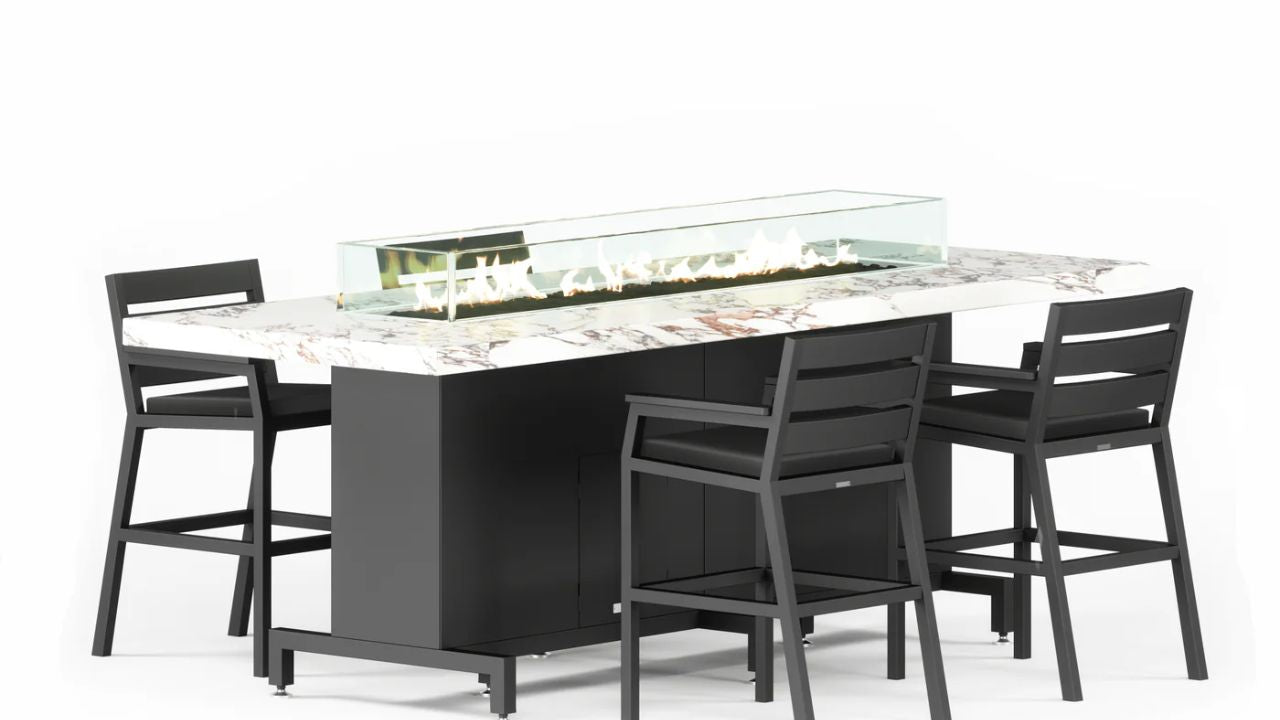
Flame height follows the same logic. Summer flames of 4–8 inches provide a strong visual impact while minimizing radiant heat output. Reflective fire glass and decorative media amplify the flame's appearance, creating a jewel-like effect that photographs well and draws attention without adding heat perception. Glass wind guards serve double duty: they stabilize the flame in breezy conditions and reduce fuel consumption by approximately 50%, making lower-output operation more economical.
Choose lower BTU settings and decorative media when ambient temperatures exceed 70°F. Choose standard output only during shoulder-season evenings when temperatures drop below 65°F, and guests may appreciate light warmth.
What Summer Heat Factors Should Operators Evaluate Before Using Fire Tables?
Summer heat management requires environmental awareness. Ambient conditions, layout decisions, and timing all affect whether a fire table enhances guest comfort or undermines it. Operators who evaluate these factors before service—not during—avoid the reactive adjustments that disrupt guest experience and signal poor planning.
How Do Ambient Temperature, Humidity, and Wind Affect Perceived Comfort Around Fire Tables?
Temperature sets the baseline. The optimal ambient range for fire table use is 65–85°F. Within this window, reduced-output flames add ambiance without creating discomfort. Above 85°F, fire tables should run decorative-only or remain off entirely. No amount of BTU reduction makes a hot-weather fire pit comfortable when the surrounding air is already uncomfortably warm.
Humidity amplifies heat perception. High-humidity evenings feel warmer than dry evenings at the same temperature, so operators in humid climates should use the lower end of the BTU range. Wind works in the opposite direction—steady breezes dissipate heat and allow slightly higher output. However, covered patios and partially enclosed spaces require two open sides minimum for adequate cross-ventilation. Without airflow, heat accumulates regardless of flame settings.
Choose to operate fire tables when the ambient temperature falls between 65 85°F with adequate airflow. Choose decorative-only mode or delayed ignition when temperatures exceed 85°F or when covered areas lack cross-ventilation.
How Does Radiant Heat Exposure Change With Seating Distance and Table Size?
Distance is the primary comfort variable. Summer seating should maintain a 4–6 foot radius from the fire table edge, compared to the 2–4 feet appropriate for winter. On very mild evenings or in hot climates, extend this distance to 6–8 feet. The fire edge to seat optimal distance—measured from flame to the nearest chair—should be 22–24 inches minimum.
Table size affects the heat footprint. Commercial fire table sizing typically ranges from 48 to 72 inches in diameter or length. Larger tables produce proportionally larger radiant zones, requiring wider seating arrangements. A 72-inch linear fire table needs more surrounding clearance than a 48-inch round unit, even at identical BTU output.
Choose a 4–6 foot seating radius for standard summer evenings. Choose a 6–8 foot radius when ambient temperatures approach 80°F or when using larger commercial units.
What Layout Constraints Make Some Patio Zones Feel Hotter Than Others?
Surface materials and furniture height create microclimates within the same patio. Dark stone and concrete absorb solar radiation throughout the day and release it during evening service, adding to perceived heat. Light-colored surfaces reflect radiation and stay cooler. This difference can shift guest comfort by several degrees in identical air temperatures.
Table height affects heat dispersal. Counter-height fire tables at approximately 36 inches allow better vertical heat dissipation than lounge-height units at 18–24 inches. Lower tables concentrate heat closer to seated guests. Layout spacing matters for both comfort and fire table safety. Maintain 5 feet minimum between fire table clusters and 60 inches for service corridors. These commercial deck fire table guidelines ensure staff can move efficiently while guests experience adequate heat separation.
Choose counter-height tables and light-colored hardscape when redesigning fire table zones. Choose wider spacing between clusters when layout permits and summer service is a priority.
When Should Operators Reduce Runtime, Lower Flame Height, or Delay Ignition?
Timing optimization aligns fire table operation with natural temperature cycles. Peak guest appeal occurs during two windows: golden hour (5–7 PM), when the visual drama of flames against sunset draws attention, and evening service (7–9 PM), when temperatures drop, and the ambiance-to-heat ratio improves.
Climate dictates summer protocols. In mild or coastal climates during July–August, limit fire table operation to late-night service after 9 PM when ambient temperatures decline. In desert or hot climates, July may require suspended operation or purely decorative settings with minimal flame. Smart control systems offer automated solutions—ambient temperature sensors can auto-reduce flame output when conditions exceed 80–85°F, removing the need for manual staff intervention.
Choose golden hour and evening activation for shoulder-season months. Choose a late-night-only operation during peak summer heat. Choose smart controls when staff cannot monitor conditions consistently across multiple fire table zones.
Are Fire Tables Safe to Use on Rooftop Decks and Commercial Patios?
Yes. Fire table safety on elevated and commercial surfaces depends on proper clearances, material selection, and operational protocols. Rooftops and patios present specific challenges—wind exposure, structural considerations, and proximity to combustible materials—but these are manageable with code-compliant installation and trained staff. The following fire pit safety tips address heat management specifically, ensuring guest comfort without compromising safety standards.
How Can Operators Manage Heat Safely on Rooftop Decks During Summer Service?
Rooftops require clearance-first planning. NFPA 1 and the International Fire Code standards mandate 15 feet of operational clearance from structures. This distance protects both building materials and guests from radiant heat accumulation. Before installation, structural load assessments confirm the deck can support the fire table weight plus surrounding furniture and occupancy.
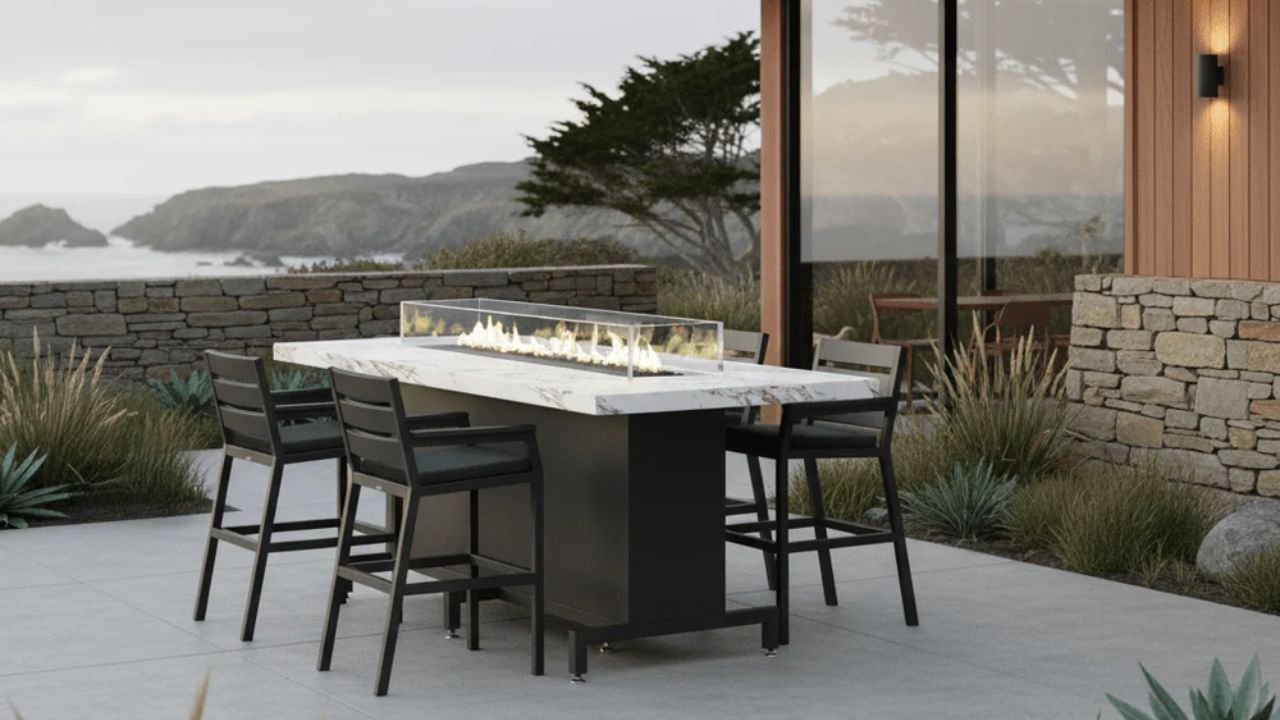
Rooftops experience the highest wind exposure of any commercial setting. This affects both flame stability and heat dispersal patterns. Linear fire tables work well in these environments—they delineate seating zones without obstructing panoramic views, and their elongated form handles crosswinds better than round units. Commercial deck fire table guidelines prioritize placement that uses wind as a cooling asset rather than fighting it.
Choose linear fire tables for rooftop installations with strong prevailing winds. Choose round or square units for sheltered rooftop corners where wind is minimal and intimate seating clusters are the goal.
What Surface Materials and Surrounding Finishes Need Extra Heat Attention?
Material proximity determines clearance requirements. Combustible walls and structures require 36 inches minimum clearance from fire table edges. Combustible ceilings and overhangs require 10 feet of vertical clearance. These distances prevent heat damage and meet code requirements for commercial fire installations.
Fire table construction materials affect durability under repeated heat exposure. 304 stainless steel and Glass Fiber Reinforced Concrete (GFRC) are rated for 50,000+ guest interactions, making them standard choices for high-traffic commercial settings—review manufacturer warranties before purchase to confirm coverage terms. Surrounding seating fabrics matter equally. Solution-dyed acrylics like Sunbrella resist UV degradation, breathe well in warm conditions, and tolerate proximity to radiant heat without degrading.
Choose stainless steel or GFRC construction for durability in commercial applications. Choose solution-dyed acrylic cushions and upholstery for fire-adjacent seating that will see heavy summer use.
How Much Clearance and Spacing Help Reduce Heat Buildup Around Guests and Furnishings?
Vertical clearance under covered structures follows BTU output. Fire tables producing 200,000 BTU or less require 7 feet minimum overhead clearance beneath pergolas or shade structures. High-output units exceeding 200,000 BTU require 10 feet. Additionally, the pergola overhead open area must be at least 50% to allow heat and combustion gases to escape.
These clearances serve dual purposes: they prevent heat damage to overhead materials and reduce heat concentration in the guest zone below. Insufficient vertical clearance traps warm air at seating level, negating the summer heat management strategies applied to flame output itself.
Choose a 7-foot minimum clearance for standard commercial fire tables under shade structures. Choose open-air placement or 10-foot clearance when using high-output units or when overhead ventilation falls below 50%.
How Can Airflow and Wind Conditions Change Heat Concentration on Rooftops and Patios?
Airflow determines whether heat disperses or accumulates. Covered patios and partially enclosed spaces require two open sides minimum for adequate cross-ventilation. Without this airflow, even low-BTU fire tables create uncomfortable heat buildup that drives guests away from premium seating.
Wind introduces trade-offs. Steady breezes cool the seating area but destabilize flames. Glass wind guards are essential for exposed locations—they maintain flame aesthetics while allowing controlled airflow. Strategic positioning amplifies natural cooling: fire tables placed 10–15 feet from pools, fountains, or other water features benefit from passive evaporative cooling that reduces perceived temperature without mechanical systems.
Choose wind-guard-equipped fire tables for exposed rooftops and beachfront locations. Choose water-adjacent placement when passive cooling can supplement reduced BTU settings.
What Operational Checks Help Staff Prevent Heat Discomfort Before and During Service?
Pre-service checks catch issues before guests arrive. Fire table safety requires Class B fire extinguishers positioned within 30 feet of each unit. Electronic ignition systems with flame-sensing safety shut-offs are mandatory for commercial installations—these automatically cut the gas supply if flames are extinguished unexpectedly. Annual professional inspections ensure NFPA 54 compliance and verify that all safety systems function correctly.
During service, staff should monitor guest behavior for migration patterns indicating heat discomfort. Proactive flame adjustment prevents complaints. A simple pre-shift checklist covering ignition function, gas connections, extinguisher placement, and ambient temperature readings takes minutes but prevents service disruptions.
Specify electronic ignition systems with automatic shut-offs for all new luxury fire pit installations in commercial environments. Schedule annual inspections well before peak summer season begins rather than during your busiest revenue-generating months when downtime costs multiply and service technicians face extended booking windows.
How Can Commercial Properties Set Up Fire Table Zones for Guest Comfort in Summer?
Zone design balances ambiance with summer fire table comfort. Seating arrangement, shade integration, cooling systems, and guest communication work together to create spaces where fire tables enhance rather than overwhelm the experience.
How Should Seating Be Arranged to Balance Ambiance With Heat Exposure?
Deep-seated lounge furniture encourages longer dwell times and positions guests comfortably within the fire table's visual range. Modular configurations allow staff to reconfigure layouts for different group sizes and events. Monitor guest behavior during service—migration away from the fire table signals immediate need for flame reduction.
What Shade, Umbrellas, or Overhead Features Help Offset Radiant Heat Nearby?
Mature trees providing 30–50% shade coverage create ideal summer conditions for fire table zones. Pergolas and cabanas work when the 50% open overhead area rule is observed. Shade structure coordination becomes essential when temperatures reach 80–85°F. Choose natural shade positioning when available; choose engineered shade structures when landscaping cannot provide adequate coverage.
How Can Operators Pair Fire Tables With Cooling Elements Like Fans or Misting Systems?
High-pressure misting systems (800–1,500 PSI) reduce perceived temperature by 10–30°F. Evaporative cooling units deliver a 14–22°F reduction at approximately $1/day operating cost. Position misting nozzles upwind of fire tables at a sufficient height for full evaporation before reaching guests. Choose misting for humid-tolerant climates; choose evaporative cooling for dry climates where efficiency is highest.
What Signage or Host Guidance Helps Guests Choose Cooler or Warmer Seats?
Staff should proactively offer flame adjustment upon seating guests. Frame this as personalized service rather than reactive problem-solving—guests appreciate customization when presented as hospitality rather than correction.
What Service and Operating Practices Improve Comfort During Summer Fire Table Use?
Operational protocols turn equipment into a guest experience. Staff training, real-time monitoring, and consistent maintenance practices ensure fire tables perform safely throughout summer service.
How Should Staff Adjust Flame Height and Operating Duration During Different Dayparts?
Temperature dictates settings. At 65–70°F, run 30,000–40,000 BTU with 6–8 inch flames and 4–5 foot seating distance. At 70–75°F, reduce to 20,000–30,000 BTU with 4–6 inch flames. At 75–80°F, drop to 15,000–25,000 BTU with misting active. At 80–85°F, run minimal output (10,000–20,000 BTU) with 2–4 inch decorative flames, misting, and shade required. Above 85°F, fire tables should be off or purely decorative. Choose higher output during golden hour when temperatures drop; choose minimal settings during peak afternoon heat.
What Guest Cues Signal That a Fire Table Area Is Becoming Too Hot?
Guest migration is the primary indicator. When guests reposition chairs or move to other areas, flames need immediate reduction. Staff should monitor seating positions and body language continuously during service.
How Can Teams Create a Simple Heat-Management SOP for Busy Service Periods?
Conduct regular checks of gas connections, ignition systems, and burner ports. Train all staff on emergency shut-off procedures and extinguisher locations. Proactively adjust flame when ambient temps exceed 80°F—don't wait for guest complaints.
What Maintenance Checks Help Fire Tables Perform Safely and Consistently in Summer?
Daily: inspect burner and flame color (blue, not yellow/orange). Weekly: clean burner ports, check gas connections, inspect fire glass. Monthly: verify flame color, check for gas leaks, and confirm ventilation. Annually: professional inspection by a licensed technician for full compliance.
What Should Operators Include in a Summer Fire Table Comfort Plan for Commercial Properties?
A documented plan standardizes decisions, tracks performance, and ensures summer fire table comfort remains consistent across staff shifts and seasons.
Which Policies Help Standardize Placement, Runtime, and Guest Seating Decisions?
Budget for annual operating costs of $1,500–$3,200 per fire table. September delivers the best ROI for shoulder-season activation—temperatures favor evening fire use while occupancy remains strong. Premium pricing for fire table seating at $25–50 above standard rates offsets operating costs and signals value to guests. Choose documented temperature thresholds and BTU protocols; choose staff autonomy only when managers have verified consistent judgment through training.
How Can Managers Evaluate Comfort Feedback and Improve the Layout Over Time?
Track metrics that matter. Properties with well-executed fire table programs report RevPAU uplift up to 69%, ADR premiums up to 42%, and F&B revenue increases up to 47%. Guest check sales increase by 30% on average. Break-even occurs within 9–18 months, typically, or 4–8 months with aggressive programming. Choose monthly metric reviews during peak season; choose quarterly reviews during shoulder months when operational adjustments are less urgent.
What Is the Best Next Step Before Peak Summer Service Begins?
Consult the local Authority Having Jurisdiction—fire marshal and building department—early to confirm compliance. Complete structural load assessments for rooftop installations before furniture arrives. Implement smart control systems with ambient temperature sensors to automate flame adjustment. Choose professional consultation now; choose reactive problem-solving never.
Make This Summer Your Highest-Performing Fire Table Season
Summer fire table comfort is achievable with the right equipment, placement, and protocols. Lower BTU settings, strategic seating distances, integrated cooling systems, and trained staff transform fire tables from winter amenities into year-round revenue drivers. Properties that execute these strategies see measurable gains in guest satisfaction, F&B revenue, and premium seating demand.
Cooke Furniture specializes in commercial fire pit dining tables engineered for the demanding realities of hospitality service. Our team partners with operators to select units perfectly matched to regional climate conditions, outdoor layout constraints, and revenue-generating service goals. Whether you are planning a new installation for an upcoming property opening or optimizing an existing fire feature program for better guest engagement, we provide guidance through specification, safety compliance, and seasonal programming that maximizes your return throughout the calendar year.