Spring Fire Table Preparation: Getting Your Commercial Property Ready for Peak Season
Key Takeaways
- Preventative Maintenance Delivers 400% ROI: Every $1 invested in spring fire table preparation saves $5 in emergency repairs. Comprehensive maintenance reduces peak season downtime by 87%, while neglect increases repair costs by 248% over five years.
- Critical Safety Tasks Are Non-Negotiable: Annual gas line leak tests, professional inspections ($150-$400), burner cleaning, and ignition system verification prevent guest-facing failures and liability exposure during high-traffic periods.
- Material Selection Determines Lifecycle Costs: Premium materials like GFRC, stainless steel, and natural stone deliver 20-30+ year lifespans with low maintenance requirements, justifying higher upfront costs through reduced long-term care intensity.
- Fire Tables Drive Measurable Revenue: Properties achieve 67-80% immediate ROI with 9-18 month payback periods. Hotels see 42% ADR lifts and 69% RevPAU gains; restaurants report 30% check average increases and 35% higher F&B revenue.
- Start Spring Preparation 6-12 Months Early: Secure professional inspection slots, source replacement parts, and complete all critical maintenance tasks before peak season operations begin to maximize guest satisfaction and operational reliability.
Spring preparation separates properties where high end fire pits drive revenue from those where neglected equipment becomes a peak-season liability. Comprehensive late-winter maintenance positions hospitality outdoor spaces for maximum guest engagement while preventing costly downtime and safety incidents that damage reputations during your busiest months.
This guide provides property managers with proven fire pit cleaning tips, care and safety tips, and maintenance protocols that protect investments and enhance guest experiences. From critical inspection tasks and clearance compliance to material selection and long-term ROI strategies, these actionable insights ensure your fire tables are safe, attractive, and fully operational when peak season arrives—delivering the performance metrics that justify premium outdoor amenity investments.
What Steps Should Property Managers Take in Late Winter and Early Spring to Ensure Commercial Fire Tables Are Safe, Attractive, and Fully Ready for Peak Outdoor Season?
Spring fire table preparation determines whether your commercial outdoor amenity becomes a revenue driver or a liability. Properties that execute comprehensive fire table maintenance in late winter avoid costly peak-season downtime and position their hospitality outdoor spaces for maximum guest engagement. This section outlines the critical tasks, timelines, and care and safety tips that separate high-performing installations from underutilized assets.
Spring Fire Table Preparation: Timing and Importance
Start planning your spring fire table preparation 6-12 months before peak season to secure inspection slots and source replacement parts. Properties that invest in preventative maintenance achieve 300-400% ROI by reducing emergency repairs and extending asset life. Comprehensive spring preparation cuts in-season downtime by 87% compared to reactive maintenance approaches.
The financial case is clear: every $1 invested in preventative fire table maintenance saves up to $5 in emergency repairs. Properties that neglect spring preparation face 248% higher repair costs over five years. Early action protects both your investment and your guest experience during peak season.
Fire Table Maintenance Checklist for Hospitality Outdoor Spaces
Execute these critical tasks during spring fire table preparation to ensure safe, reliable operation:
Critical Priority (Safety-Essential):
- Gas line leak test (15 min, $0 using soapy water solution)
- Professional gas line inspection (1-2 hours, $150-$400)
- Ignition system test (15 min, $0)
- Safety feature verification (30 min, $0)
High Priority (Performance-Critical):
- Visual inspection (30 min, $0 in-house)
- Burner cleaning (1 hour, $50-$100)
- Staff training refresh (2 hours, $200-$500)
- Regulator inspection (30 min, included in professional inspection)
Moderate Priority (Appearance & Longevity):
- Fire media cleaning (1-2 hours, $0-$50)
- Surface cleaning and sealing (2-3 hours, $50-$150)
- Fire media replacement every 2-3 years (30 min, $20-$66 per 10 lbs)
Complete all critical tasks before reopening hospitality outdoor spaces for peak season. Schedule professional inspections early—licensed contractors book quickly in March and April.
Ensuring Fire Pit Safety Before Peak Season
Commercial fire tables require specific clearances for code compliance and guest safety. Maintain 3 feet (36 inches) minimum between fire tables and furniture, with an 18-24 inch buffer from fire edge to seating for guest comfort. Fire tables must sit 10-25 feet from combustible structures (varies by jurisdiction) and maintain 36 inches horizontal clearance from combustibles. Ensure 10 feet vertical clearance overhead.
Verify your units carry proper certifications before peak season operation. Natural gas and propane fire tables require ANSI Z21.97/CSA 2.41 certification; electric units need UL listing. All installations must comply with NFPA 54 (National Fuel Gas Code) and NFPA 1 (Fire Code). Non-compliant units create liability exposure and face shutdown orders during inspections.
The Importance of Thorough Fire Pit Cleaning Tips
Proper fire pit cleaning maintains both performance and aesthetics throughout peak season. Wash fire glass gently with warm water and mild detergent to remove soot, oils, and debris that reduce flame visibility. Clean lava rocks regularly to maintain appearance and prevent odor buildup. Burner systems require thorough cleaning for consistent flame distribution—buildup causes uneven heating and safety hazards.
Use non-abrasive cleaners on concrete, stone, and metal surfaces to prevent damage while removing winter grime. Clean fire bowls and accessories thoroughly during spring preparation to eliminate rust, corrosion, and debris. These fire pit cleaning tips extend component life and ensure your commercial outdoor fire tables make the right first impression when peak season arrives.
Fire Table Maintenance: Key Tasks for Property Managers
Effective fire table maintenance balances cost control with reliability. Property managers must choose maintenance strategies that match property traffic, budget constraints, and downtime tolerance. This section breaks down proven maintenance approaches, critical inspection tasks, and care and safety tips that keep commercial outdoor fire tables operational throughout peak season.
Inspecting and Cleaning Fire Tables for Seasonal Readiness
Choose a maintenance strategy based on your property type and traffic volume. Basic preventive maintenance (seasonal, 2x/year) costs $300-$600 annually with 200-300% ROI but carries moderate downtime risk. Comprehensive preventive plans (quarterly plus annual professional service) cost $800-$1,200 annually, deliver 300-400% ROI, and significantly reduce downtime—recommended for high-traffic commercial properties. Premium service contracts ($1,500-$2,500/year) provide monthly maintenance plus on-demand support with 400%+ ROI and minimal downtime for luxury hospitality. In-house/professional hybrid approaches ($400-$800/year) balance cost and reliability with weekly staff maintenance and annual professional inspections.
Implement tiered fire table maintenance schedules: daily surface wipe-downs and debris removal, weekly ignition system tests, monthly deep cleaning of surfaces and media, and annual professional service. Avoid reactive maintenance—it generates variable costs ($500-$3,000+), high downtime risk, and negative ROI. Proactive spring fire table preparation prevents peak season failures.
How to Check and Clean Fire Table Burners
Clean burner systems before peak season to ensure consistent flame distribution and prevent uneven heating. Remove debris from burner ports using compressed air or a soft brush—blocked ports create flame irregularities and safety hazards. Test ignition systems for reliable, instant operation after cleaning. Automatic ignition should produce immediate flame; manual systems should operate smoothly without delays or sticking.
Inspect burner ports during cleaning for corrosion, warping, or damage that affects performance. Replace damaged burners immediately—compromised components fail during peak use and create liability exposure. These fire pit cleaning tips maintain both safety and guest experience in hospitality outdoor spaces.
Importance of Gas and Propane Tank Safety Checks
Conduct annual gas line leak tests every spring using soapy water solution on all connections—a 15-minute task that costs nothing. Bubbles indicate leaks requiring immediate professional attention. Never operate fire tables with suspected gas leaks; shut down units and contact licensed contractors immediately.
Inspect regulators for wear, damage, and correct pressure settings: 6" WC for natural gas, 11" WC for propane (LP). Regulator inspections take 30 minutes annually and prevent pressure-related failures. Schedule professional inspections of ignition systems and gas connections as part of comprehensive spring fire table preparation. Proper gas safety protocols protect guests, staff, and property while ensuring code compliance.
Seasonal Fire Table Care and Safety Tips
Use weather-resistant fire pit covers to shield units from elements when not in use—uncovered fire tables accumulate moisture, debris, and corrosion. Keep fire tables dry between uses to prevent rust and extend component life. Conduct thorough seasonal inspections for wear, damage, and deterioration before peak season operations begin.
Verify all safety features function correctly: flame-sensing ignition, emergency shut-offs, and automatic controls. Proactive maintenance provides proven ROI of approximately 400% by preventing expensive emergency repairs and peak-season downtime. These care and safety tips ensure commercial outdoor fire tables remain assets, not liabilities, throughout the operating season.
Customizing Your Fire Tables to Enhance Guest Experience
Fire table customization directly impacts guest satisfaction, operational efficiency, and long-term ROI. Material selection, finish options, and feature integration determine how well your commercial outdoor fire tables perform under high-traffic conditions. This section guides property managers through specification decisions that balance upfront investment with durability, maintenance requirements, and guest appeal in hospitality outdoor spaces.
Choosing Fire Tables Built for High-Traffic Commercial Use
Commercial-grade fire tables range from $12,000-$25,000 and deliver 20-30+ year lifespans with proper fire table maintenance. Gas and propane systems provide 40,000-200,000+ BTU output—essential for effective heating in commercial outdoor environments. Budget residential units fail quickly under commercial use; invest in certified commercial specifications to avoid replacement costs.
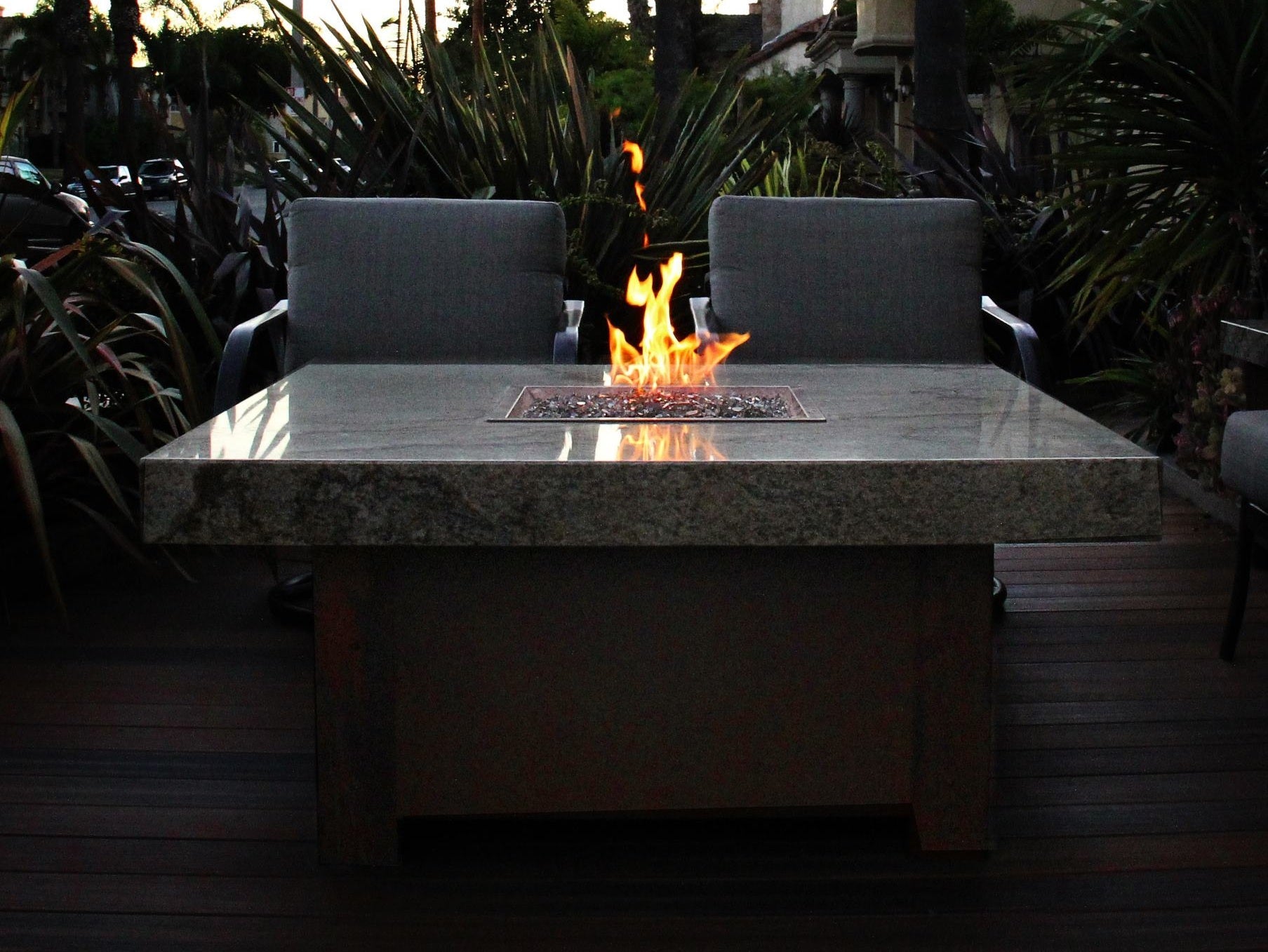
Material selection determines durability and maintenance intensity. GFRC (Glass Fiber Reinforced Concrete), stainless steel, hammered copper, and natural stone offer 20-30+ year lifespans. Traditional concrete lasts 15-25 years. Choose materials based on climate exposure, aesthetic requirements, and maintenance capacity. Durable materials reduce spring fire table preparation intensity and extend intervals between major refurbishments.
Selecting Fire Table Finishes that Complement Hospitality Outdoor Spaces
Linear burners dominate current design with 70%+ adoption rates, commanding 15-25% cost premiums for very high guest appeal and 20-30 year longevity. GFRC construction reaches 65%+ adoption—50% lighter than traditional concrete with 20-30+ year lifespans and 20-30% cost premiums. Geometric shapes (60% adoption) add 5-15% to costs while maintaining 20-30 year longevity and high guest appeal.
Modular configurations (45% adoption) add 10-20% cost premiums but enable flexible space utilization with 15-25 year lifespans. These design trends align with guest expectations in luxury hospitality outdoor spaces. Select finishes that complement existing architecture while meeting durability standards for peak season use. Trendy but fragile finishes increase fire table maintenance costs and replacement frequency.
Incorporating Customization Options for a Premium Experience
Smart technology integration (35% adoption, growing) adds 25-40% cost premiums with moderate-high guest appeal and 10-15 year tech lifecycles. Remote controls, automated ignition, and safety monitoring enhance operational efficiency but require tech-savvy staff and regular updates. Integrated seating (40% adoption) commands 30-50% premiums with very high guest appeal and 15-25 year structural lifespans—ideal for maximizing limited footprints.
Dual-function tables (30% adoption, growing) add 15-25% to costs while delivering very high guest appeal through combined fire features and usable surfaces. These customizations differentiate properties during peak season and justify premium pricing. Balance feature complexity against maintenance capacity—advanced systems require specialized fire table maintenance and may complicate spring fire table preparation protocols. Choose customizations that enhance guest experience without creating operational burdens.
Preparing Outdoor Spaces for Commercial Use: Maximizing the Impact of Fire Tables
Strategic fire table placement transforms hospitality outdoor spaces from underutilized areas into revenue-generating destinations. Proper space planning, accessibility compliance, and traffic flow design determine whether fire tables enhance or hinder operations during peak season. This section outlines guest behavior data, spatial requirements, and placement strategies that maximize commercial outdoor fire table ROI.
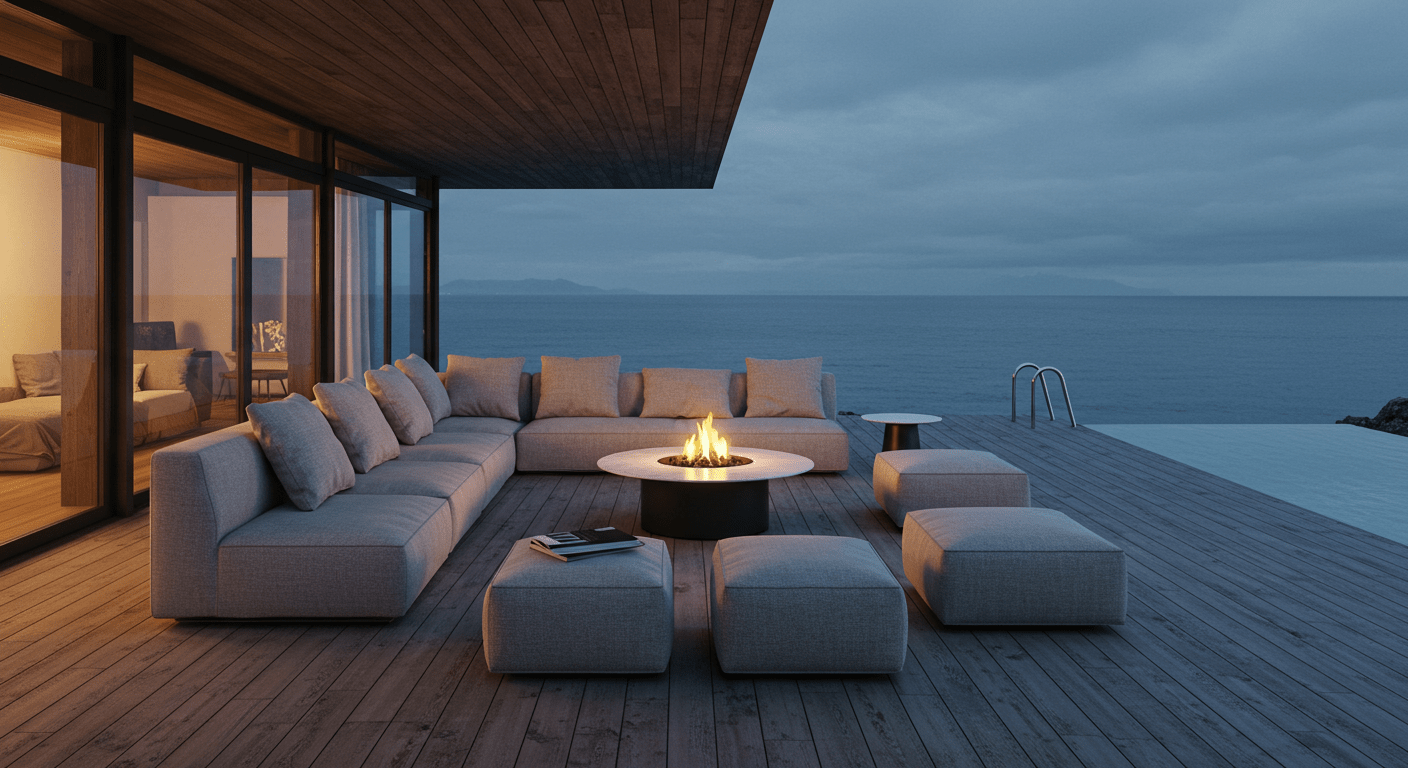
Creating Inviting Outdoor Spaces with Fire Tables
Guest preference data validates fire table investments: 79% of hotel guests prefer establishments with outdoor fire pits, creating competitive differentiation during peak season. Properties with fire tables see 25-40% increases in guest dwell time, translating directly to higher F&B revenue. Guest satisfaction scores increase 30% (documented in Ritz-Carlton Laguna Niguel case study), while review mentions of fire features jump from 2% to 18% of total feedback.
Fire tables generate 3x more positive reviews mentioning "ambiance" compared to properties without fire features. They appear in 67% of property-tagged Instagram posts—providing organic marketing value beyond operational revenue. These metrics justify fire table maintenance investments and comprehensive spring fire table preparation protocols. Properties that neglect these amenities lose bookings to competitors who prioritize hospitality outdoor spaces.
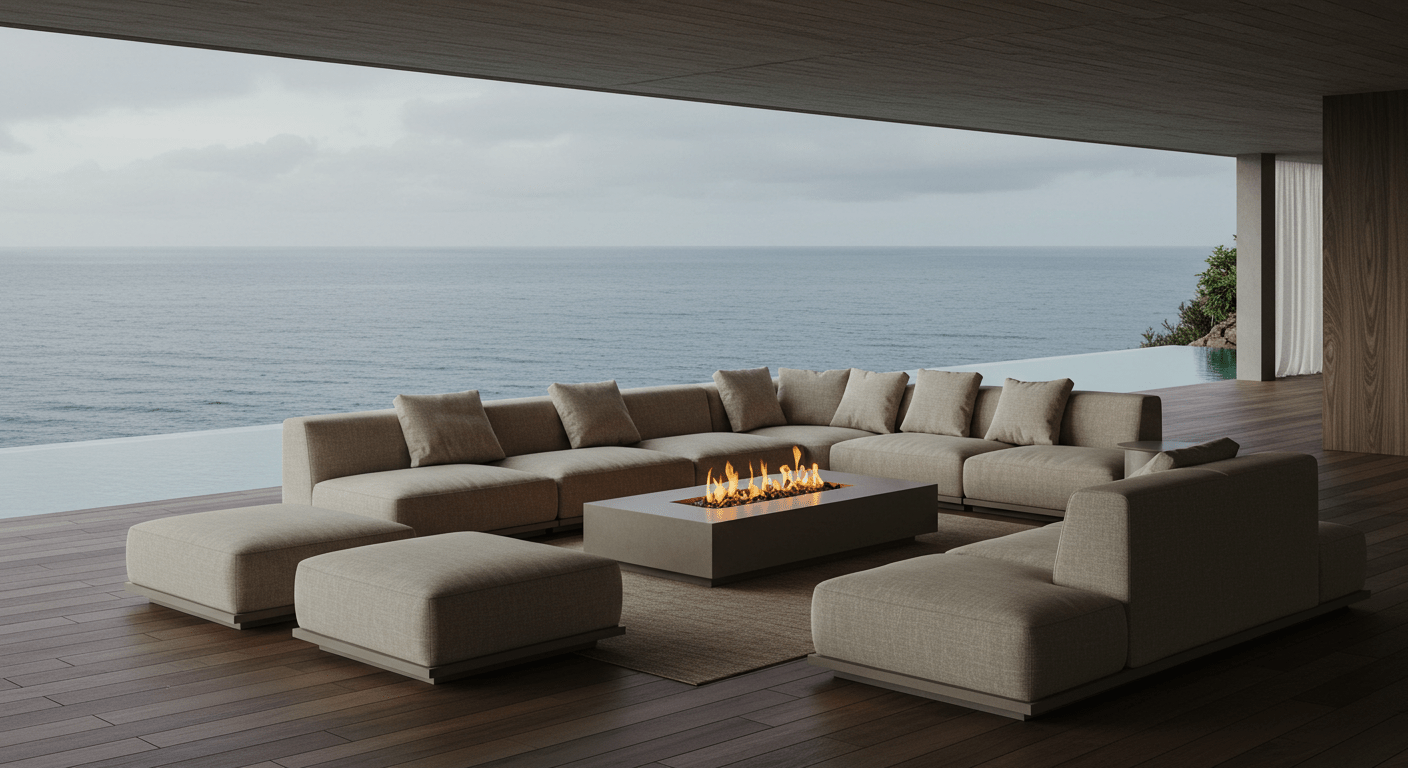
Designing for Comfort: Fire Tables and Seating Arrangements
Plan main service aisles at 48-60 inches width for ADA compliance and smooth traffic flow in commercial outdoor spaces. Maintain 18-24 inch buffers between fire edges and seating for guest comfort—closer spacing creates heat discomfort and safety concerns. These dimensions prevent bottlenecks during peak season operations while ensuring accessibility.
ADA compliance requires 30-inch minimum clear floor space width and 48-inch depth at accessible seating positions. Wheelchair users need 27-inch minimum knee clearance height and 17-inch depth under fire tables. Non-compliant layouts face enforcement actions and exclude potential guests. Integrate accessibility requirements during initial design—retrofitting costs significantly more than proper planning. Proper spacing also simplifies fire table maintenance access and spring fire table preparation tasks.
Optimizing Fire Table Placement for Visibility and Social Interaction
Position fire tables as central anchors for lounges, pool decks, and rooftop spaces to maximize visibility and utilization. Strategic placement creates intimate conversation zones that encourage extended guest stays and social interaction. Fire tables support F&B programs by providing unique dining experiences that command premium pricing and increase check averages.
Design for year-round, multi-functional space utilization—fire tables extend shoulder season operations and justify hospitality outdoor spaces that might otherwise sit vacant. Place units where they're visible from indoor areas to drive discovery and usage. Avoid tucking fire tables in corners or low-traffic zones where they become underutilized assets requiring fire table maintenance without generating revenue. Visibility during peak season drives the guest engagement metrics that justify initial investments.
Maintaining Fire Tables During Peak Season: Safety and Efficiency
Peak season fire table maintenance prevents guest-facing failures and safety incidents when properties operate at capacity. While spring fire table preparation establishes baseline readiness, ongoing care and safety tips during high-use periods protect both guests and investments. This section outlines inspection frequencies, weather protection strategies, and fire pit cleaning tips that maintain performance throughout commercial outdoor peak season operations.
Regular Inspections and Quick Fixes to Ensure Safety
Implement tiered inspection schedules during peak season to catch issues before they escalate. Daily surface wipe-downs and debris removal prevent buildup that affects appearance and function. Weekly ignition system tests identify failures before guests encounter them—dead ignitions create negative experiences and generate complaints. Monthly deep cleaning of surfaces and media maintains aesthetic standards and prevents performance degradation.
Verify safety features continuously during peak season: flame-sensing ignition, emergency shut-offs, and automatic controls. Safety failures create liability exposure and potential shutdowns during maximum revenue periods. Staff should know shutdown procedures and have direct access to emergency contacts. Rapid response to safety concerns protects guests and prevents small issues from becoming operational crises in hospitality outdoor spaces.
How to Protect Fire Tables from Weather Damage During Spring and Summer
Material selection determines weather resilience during peak season. GFRC offers excellent weather resistance with very low fire table maintenance requirements. Stainless steel and hammered copper (which patinas naturally) provide excellent weather resistance with low maintenance needs. Traditional concrete and powder-coated steel offer good weather resistance but require moderate maintenance to prevent degradation.
Install tempered glass wind guards for wind conditions up to 10 MPH—they stabilize flames and act as safety barriers during variable weather. Properties in harsh climates should specify GFRC and stainless steel for optimal durability. Weather protection reduces emergency repairs during peak season and extends intervals between major refurbishments. Choose materials during initial procurement that match your climate exposure and maintenance capacity.
Fire Pit Cleaning Tips: Keeping Your Fire Tables in Top Condition
Wash fire glass and lava rocks with warm, soapy water to remove soot and debris that accumulates during high-use periods. Clean fire media maintains flame visibility and aesthetic appeal in commercial outdoor installations. Use protective covers when fire tables are not in use to minimize maintenance needs and extend media life between replacements.
Fuel type determines fire table maintenance intensity during peak season. Natural gas systems require low maintenance (annual inspections sufficient). Propane systems need moderate maintenance including regular tank monitoring and replacement scheduling. Electric units require very low maintenance—ideal for properties with limited maintenance capacity. Match fuel type to your operational capabilities during spring fire table preparation to avoid peak season complications. Proper fuel selection and cleaning protocols keep hospitality outdoor spaces presentable throughout high-traffic periods.
Long-Term Care: Preparing for Future Outdoor Seasons
Fire table investments deliver value beyond single seasons when supported by strategic long-term maintenance and material selection. Properties that view fire tables as multi-decade assets—not disposable amenities—achieve superior ROI through proactive care and safety tips, durable material choices, and comprehensive spring fire table preparation protocols. This section quantifies long-term maintenance returns and investment performance across property types.
Extending the Lifespan of Fire Tables with Seasonal Maintenance
Proactive fire table maintenance delivers approximately 400% ROI by preventing expensive failures and extending asset life. Premium service contracts ($1,500-$2,500/year) provide very low downtime risk and 400%+ ROI through scheduled maintenance and priority response. In-house/professional hybrid approaches ($400-$800/year) balance cost and reliability with 300-350% ROI and low downtime risk.
The cost-benefit ratio is clear: every $1 invested in preventative maintenance saves $5 in emergency repairs. Properties that defer fire table maintenance face accelerated deterioration, guest-facing failures during peak season, and premature replacement costs. Annual spring fire table preparation, combined with in-season protocols, protects commercial outdoor investments and ensures hospitality outdoor spaces remain operational revenue generators across multiple seasons.
Choosing Durable Materials for Fire Tables in Commercial Settings
Material selection determines total lifecycle costs and maintenance intensity. GFRC ($8,000-$25,000) delivers 20-30+ year lifespans at 50% lighter weight than traditional concrete with excellent weather resistance and low maintenance. Stainless steel ($5,000-$18,000) offers 20-30+ year durability with lightweight construction and minimal upkeep. Natural stone ($6,000-$20,000) provides 20-30+ year lifespans but requires heavy structural support. Traditional concrete ($3,000-$12,000) lasts 15-25 years with good weather resistance but needs moderate fire table maintenance.
Hammered copper ($10,000-$30,000) delivers 25-30+ year lifespans with luxury aesthetics, natural patina development, and low maintenance requirements. Budget materials save upfront but increase maintenance costs and replacement frequency. Calculate total ownership costs including spring fire table preparation intensity, annual maintenance, and expected replacement intervals. Premium materials justify higher initial investments through reduced long-term care requirements and extended operational life in commercial outdoor environments.
How Fire Table Investment Contributes to Long-Term Success
Premium fire table installations deliver 67% average immediate ROI and increase property values $25,000-$50,000 over 10 years. Professional installations lift property values 10-15%—creating equity beyond operational returns. Property-specific ROI varies: hotels and resorts achieve 67-80% ROI with 9-12 month payback periods through 42% ADR lifts and 69% RevPAU gains. Restaurants see 67-75% ROI with 10-15 month payback via 30% check average increases and 35% dwell time extensions.
Direct revenue impacts include 35% F&B revenue increases (Ritz-Carlton case study), 20% higher nightly rates for short-term rentals with fire features in listing photos, and 25% STR booking rate increases. Properties generate $20-50/night premiums for STRs, $30-75/night for boutique hotels, $150-300 amenity fees per fire table reservation at restaurants, and $500-2,000 private event upcharges. Indirect value creation includes 15-20% faster lease-up absorption for luxury multifamily and 25-40% extended guest dwell time increasing per-guest revenue. These returns justify comprehensive spring fire table preparation and ongoing care and safety tips that protect investments across multiple peak seasons in hospitality outdoor spaces.
Get Ready for a Successful Spring and Beyond
Spring fire table preparation separates high-performing hospitality outdoor spaces from underutilized assets. Properties that execute comprehensive fire table maintenance before peak season avoid costly downtime, enhance guest satisfaction, and maximize ROI on commercial outdoor investments. Success requires strategic planning, proper execution of care and safety tips, and commitment to long-term maintenance protocols.
Final Checklist for Spring Fire Table Preparation
Complete these critical tasks before peak season operations begin:
Safety & Compliance (Critical Priority):
- Gas line leak test using soapy water solution
- Professional gas line and regulator inspection ($150-$400)
- Ignition system functionality test
- Safety feature verification (flame-sensing, emergency shut-offs)
- Clearance compliance review (3-foot furniture minimum, 18-24 inch seating buffer)
Performance & Appearance (High Priority):
- Burner system cleaning for consistent flame distribution
- Fire media cleaning (fire glass and lava rocks with warm soapy water)
- Surface cleaning and sealing with non-abrasive cleaners
- Staff training refresh on operation and safety protocols
Planning & Documentation (Maintenance Foundation):
- Establish tiered inspection schedule (daily, weekly, monthly, annual)
- Select maintenance strategy matching property traffic and budget
- Verify fire pit cover condition and weather protection measures
- Document baseline condition for in-season comparison
Properties that defer these fire pit cleaning tips and maintenance tasks face 248% higher repair costs and 87% more peak season downtime. Spring fire table preparation isn't optional—it's essential to protecting investments and delivering guest experiences that drive revenue in commercial outdoor spaces.
Why Partnering with Cooke for Premium Outdoor Furniture Matters
Cooke Furniture specializes in commercial-grade fire tables built for hospitality outdoor spaces that demand durability, safety, and design excellence. Our premium installations deliver proven ROI—67% average immediate returns with 9-18 month payback periods across property types. We provide fire tables engineered for 20-30+ year lifespans with materials like GFRC, stainless steel, and natural stone that withstand high-traffic commercial use.
Beyond product quality, Cooke supports long-term success through expert guidance on spring fire table preparation, care and safety tips, and maintenance strategies that protect your investment. Our team understands the operational realities of peak season hospitality—we design for both guest appeal and practical fire table maintenance requirements. When you partner with Cooke, you gain commercial outdoor furniture that enhances property value, drives measurable revenue, and performs reliably season after season.
Cooke Furniture offers designer custom fire tables for sale engineered to match your property's specific requirements, guest traffic patterns, and architectural vision. Our hospitality consultants partner with you to create outdoor gathering spaces that guests remember and actively return to, delivering the satisfaction scores, revenue growth, and ROI that make premium commercial investments worthwhile.