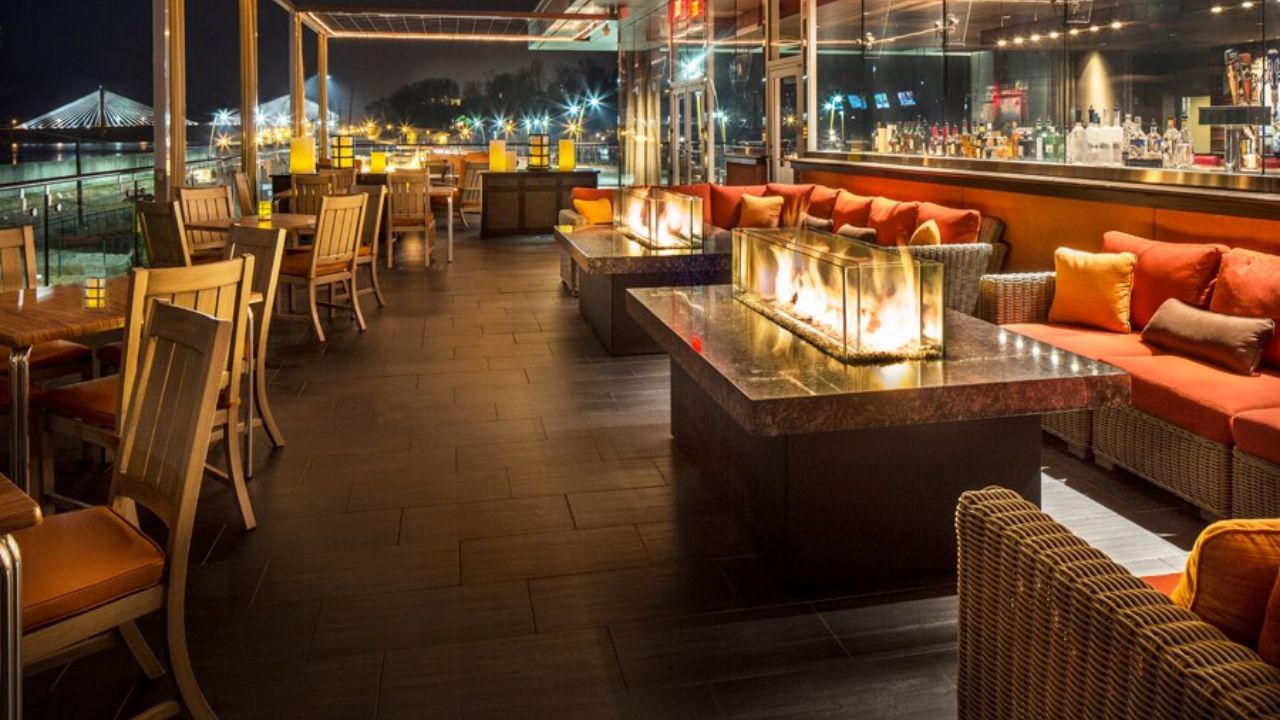
Commercial Fire Table ROI: The Business Case for Hotels & Restaurants
Can commercial fire tables generate a return on investment? They can, but the return doesn't come from the fire table itself. The business case comes from increasing the number of hours a property's outdoor seating can generate revenue.
For hotels and restaurants, the key question isn't simply whether fire tables look good or create ambiance. It's whether they can make outdoor seating viable for more hours of the day and more weeks of the year. That additional usable capacity can create an opportunity for incremental revenue, particularly in markets with significant shoulder seasons.
This guide looks at the business case for commercial fire tables, including the relationship between outdoor seating, season extension, and hospitality revenue.
Does Outdoor Seating Actually Increase Revenue?
Broadly, yes - outdoor seating can create meaningful additional revenue when it adds usable capacity during periods of customer demand. Multiple hospitality and foodservice sources have reported significant revenue increases associated with expanding outdoor seating, including estimates of increases of up to 30% in some cases.
However, the size of the revenue increase varies substantially by property. The impact depends on factors such as the number of additional seats, occupancy, average check size, operating hours, weather, and whether the indoor dining area is already operating at capacity.
The important distinction is that outdoor seating itself creates the revenue opportunity. A fire table doesn't automatically create additional sales; its potential value comes from making that outdoor seating usable during periods when guests would otherwise be reluctant to sit outside.
For that reason, a property's existing patio utilization and seasonal weather patterns should be evaluated before treating any general outdoor-seating revenue statistic as a projection for a specific fire table installation.
How Fire Tables Extend the Revenue Window
Fire tables can extend when outdoor seating is usable, particularly during shoulder-season evenings and cooler periods when guests might otherwise choose to remain indoors.
Properly specified radiant heat can make outdoor seating more viable during evenings that would otherwise feel too cold for many guests. In some climates, that can turn cool spring and fall evenings into additional outdoor dining or hospitality hours.
The opportunity is particularly relevant in regions with significant seasonal swings. For properties in the Northeast, Midwest, Mountain West, and Pacific Northwest, extending outdoor use by even several weeks can materially change the economics of a patio that would otherwise sit unused during cooler months.
The potential revenue impact depends on the specific property. A restaurant with an underutilized patio may see little benefit if additional outdoor seats aren't in demand. Conversely, a property that regularly reaches capacity indoors may have a much stronger case for extending outdoor seating into additional hours and seasons.
The most useful question for ownership isn't therefore "What ROI does a fire table produce?" It's "How many additional revenue-producing outdoor seat-hours can this property realistically create?"